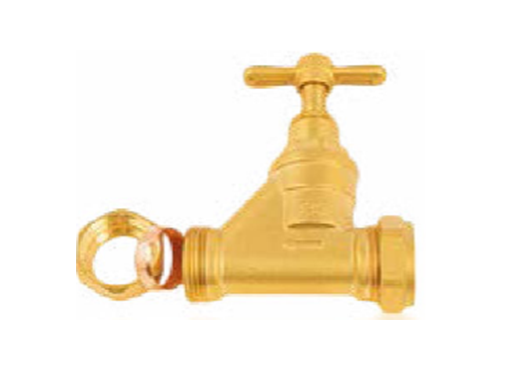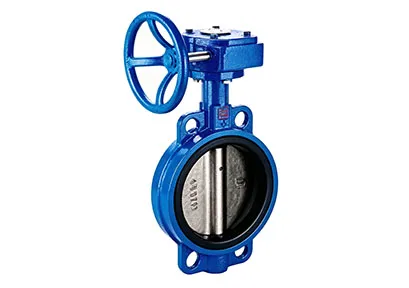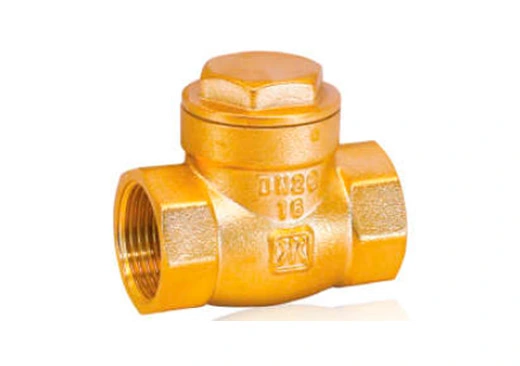
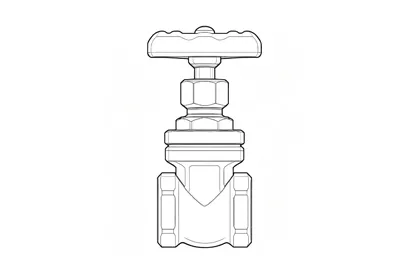
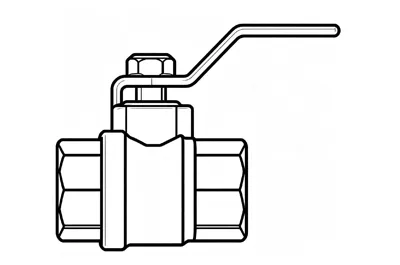
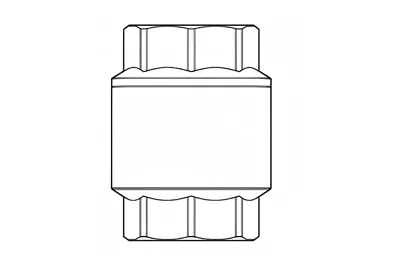
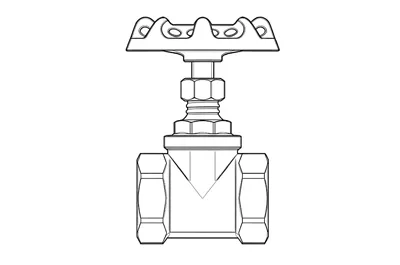
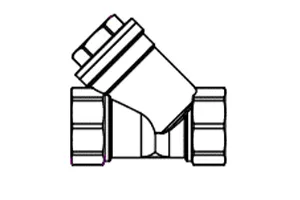
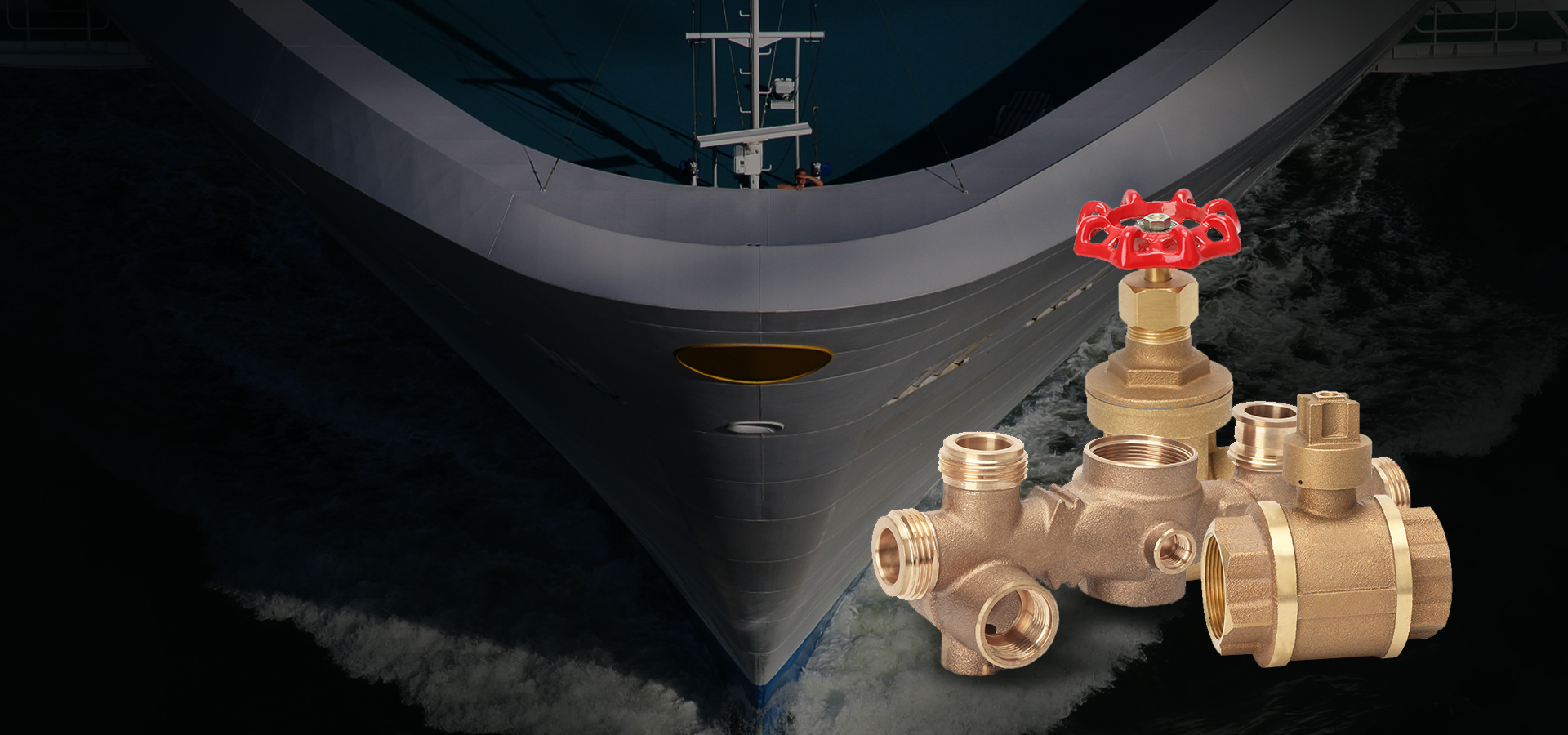
A brass gate valve and a brass check valve can both be installed in water supply pipelines, but they perform fundamentally different functions. A brass gate valve is primarily used to start or stop water flow manually, while a brass check valve allows water to flow in one direction and automatically prevents reverse flow.
For pipeline designers, distributors, and water-system installers, the choice is therefore not simply between two types of brass valves. It depends on whether the pipeline requires flow isolation or backflow prevention. In many systems, both valves are used together because they solve different operational problems.
How Does a Brass Gate Valve Control Water Flow?
A brass gate valve controls flow by moving a gate vertically into or out of the flow path. When fully open, the gate is lifted clear of the passage, allowing water to pass through with relatively low flow resistance. When closed, the gate blocks the pipeline and isolates the downstream section.
This operating principle makes gate valves particularly suitable where the main requirement is reliable shutoff rather than frequent flow regulation. In water supply installations, they may be positioned on branch lines, equipment connections, building supply lines, or sections of pipeline that need to be isolated during maintenance.
A gate valve is generally intended to operate in either a fully open or fully closed position. Using it continuously in a partially open position can affect flow characteristics and may contribute to premature wear.
For applications requiring dependable isolation, the appropriate gate valves for water should be selected according to pipe size, pressure rating, connection type, water conditions, and installation environment.

What Does a Brass Check Valve Do in a Water Supply System?
A brass check valve has a different operating principle. Instead of being manually opened and closed, it responds automatically to the direction and pressure of water flow.
When water moves in the intended direction, the valve opens. If the flow reverses and the pressure conditions are sufficient, the valve closes to restrict backflow.
This makes check valves for water particularly useful downstream of pumps, near water storage equipment, and in pipeline sections where reverse flow could affect equipment or system operation.
The specific internal design matters. Swing, spring-loaded, and other check-valve configurations can have different response characteristics, pressure losses, and installation requirements. A spring-loaded design, for example, can provide controlled closing action, while other designs may depend more heavily on flow direction and velocity.

When Should You Use a Brass Gate Valve Instead of a Brass Check Valve?
The deciding factor is the required function.
If operators need to deliberately isolate a section of the water supply pipeline, a brass gate valve is normally the relevant valve type. It provides manual control and can remain in the open position during normal operation until isolation is required.
If the pipeline needs automatic protection against reverse flow, a brass check valve is more appropriate. It does not require an operator to close the valve when flow direction changes.
These functions should not be treated as interchangeable. Installing a check valve where manual isolation is required does not provide the same operational control, while using a gate valve alone does not provide automatic backflow protection.
Can a Gate Valve Be Used for Backflow Prevention?
A gate valve should not normally be selected as the primary backflow-prevention device.
A closed gate valve can stop flow, but it requires deliberate operation and is not designed to respond automatically to reverse flow. A check valve, by contrast, is specifically designed to permit flow in one direction and restrict it in the opposite direction.
In a properly designed water supply system, a gate valve may therefore be used for isolation while a check valve provides automatic flow-direction control.
Can You Install a Brass Gate Valve and Brass Check Valve Together?
Yes. In many water supply systems, using both valves provides more practical control than relying on either one alone.
For example, a check valve can prevent water from flowing backward toward a pump or another protected component, while a nearby gate valve allows technicians to isolate the section during inspection or maintenance.
The exact arrangement depends on the pipeline design, but the principle is straightforward: the check valve manages flow direction, while the gate valve manages pipeline isolation.
This combination is particularly useful in systems where maintenance access and equipment protection are both important.
What Should You Consider When Selecting Valves for Water Supply Pipelines?
Valve selection should go beyond nominal pipe size. Several technical factors influence whether a brass valve will perform reliably in a particular water system.
Pressure and temperature: The valve must be suitable for the system's working pressure and water temperature. The pressure rating should be evaluated under the actual operating conditions rather than based solely on the connection size.
Connection configuration: Threaded, soldered, compression, and other connection options can affect installation and compatibility with the existing pipework.
Flow characteristics: Check valves introduce a pressure drop because their internal mechanism occupies part of the flow path. For applications with limited available pressure, the valve's flow characteristics should be considered carefully.
Installation position: Some check valves have specific orientation requirements. Incorrect installation can interfere with opening or closing behavior and reduce their effectiveness.
Material compatibility: Brass is widely used for water-service valve bodies, but the complete valve construction should be evaluated, including sealing materials and internal components.
Maintenance requirements: Gate valves should provide dependable shutoff after extended periods without operation, while check valves should close reliably without creating unnecessary water hammer or excessive pressure loss.
Which Valve Is Better for Water Supply Pipelines?
There is no single choice that applies to every water supply pipeline because the two valves perform different jobs.
A brass gate valve is suited to applications requiring manual isolation and on/off flow control. A brass check valve is suited to applications where automatic prevention of reverse flow is required. In more complete systems, the two may be installed together rather than treated as alternatives.
For valve distributors and engineering buyers, selecting the correct product should therefore begin with the pipeline function, followed by pressure, connection, installation orientation, flow requirements, and material compatibility.
Conclusion
The difference between a brass gate valve and a brass check valve is fundamentally a difference in pipeline function. Gate valves provide controlled isolation, while check valves provide automatic protection against reverse flow.
For water supply projects, choosing between gate valves for water and check valves for water should be based on the operating requirement rather than simply valve size or material. When both isolation and backflow prevention are required, combining the two valve types can provide a more complete pipeline-control solution.
FAQs
Can a brass gate valve regulate water flow?
It can restrict flow, but it is generally designed for fully open or fully closed operation rather than continuous throttling.
Do brass check valves require manual operation?
No. A check valve normally opens and closes automatically in response to water-flow conditions.
Are brass valves suitable for water pipelines?
Brass valves are widely used in water-service applications, provided the valve materials, pressure rating, temperature range, and applicable water-service requirements are appropriate.
Can a check valve replace a gate valve?
No. A check valve prevents reverse flow but does not provide the same manual isolation function as a gate valve.
Why use a check valve near a water pump?
It can help prevent water from flowing backward through the pump when the pump stops or system pressure changes.
Other Brass Valves from JKL Brass Valve