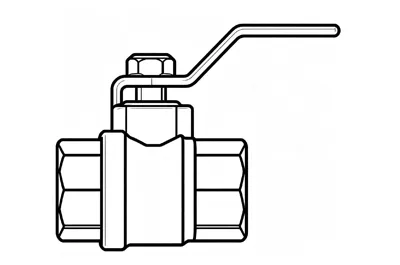
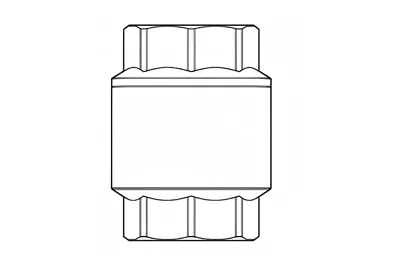
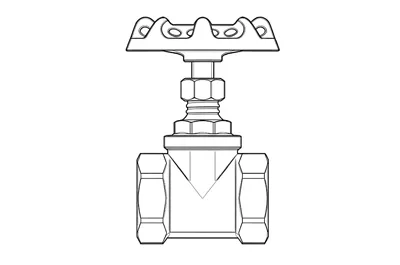
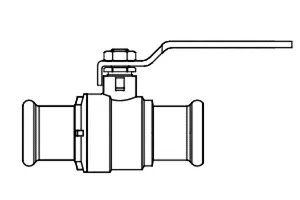
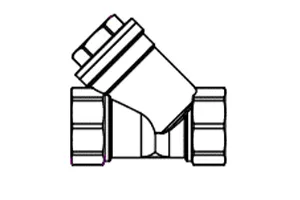
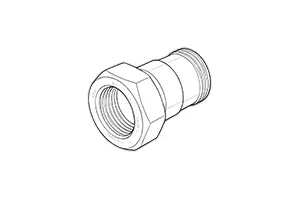
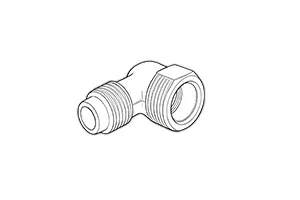
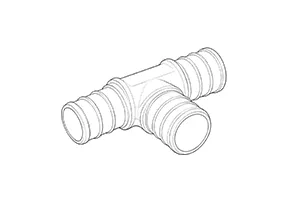

Copper fittings have quietly shaped modern plumbing for nearly a century—and their story is far from over.
If you work in plumbing, HVAC, or construction, you know copper fittings as reliable, familiar components. But the journey from the first thin-wall copper tube systems of the 1920s to today's press-connect technology reveals a story of continuous innovation that has transformed how the world moves water, gas, and refrigerants.
For buyers sourcing copper water fittings, understanding the evolution of joining methods provides useful context for comparing product types and installation requirements.
The Breakthrough That Started It All
Before the 1920s, indoor plumbing systems relied on heavy iron, steel, or lead pipes that were difficult to install and prohibitively expensive for most households. That changed when metal manufacturers introduced a new type of lightweight, durable drawn copper tube that could be quickly joined with fittings through soldering.
By 1940, nearly half of American homes still lacked complete indoor plumbing. But within a generation, the combination of flexible copper tubing and reliable fittings helped transform residential water systems forever. The technology proved remarkably enduring: in 2003, the Copper Development Association discovered a Fort Wayne, Indiana home with original copper pipes installed nearly 70 years earlier—still in good working order.
The Quiet Revolution in Joining Technology
While the fittings themselves improved, the methods for connecting them underwent equally significant transformation. For decades, soldering and brazing were the only options for creating reliable copper joints. These methods worked well but required open flames, specialized skills, and careful attention to safety.
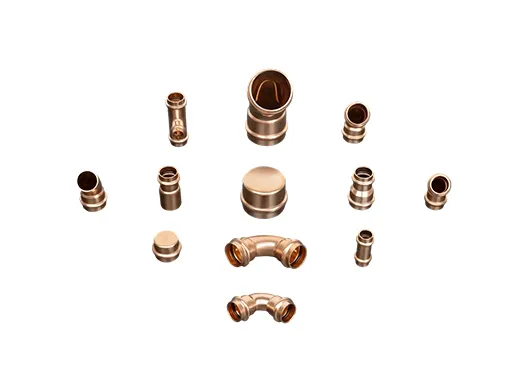
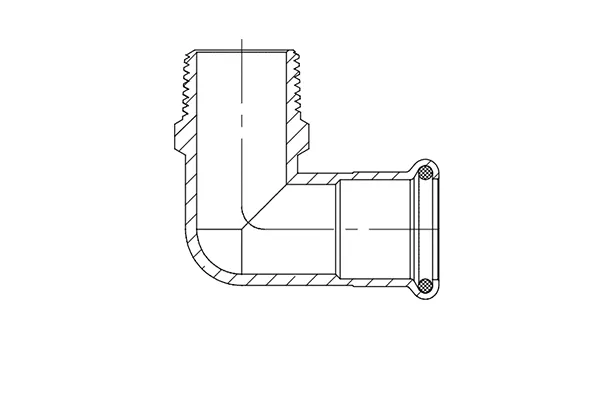
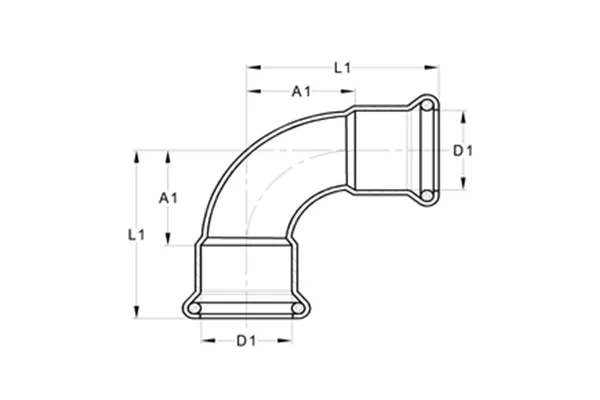
The 1990s brought a quiet revolution: press-connect technology. First introduced to North America for potable water systems in 1999, press fittings used a specially designed tool to crimp the fitting onto the tube, with an internal O-ring providing the seal. The advantages were immediate: no open flame, no soldering materials, dramatically reduced installation time. By the mid-2010s, ASME B16.51 standards were incorporated into the International Plumbing Code, confirming press technology's mainstream status.
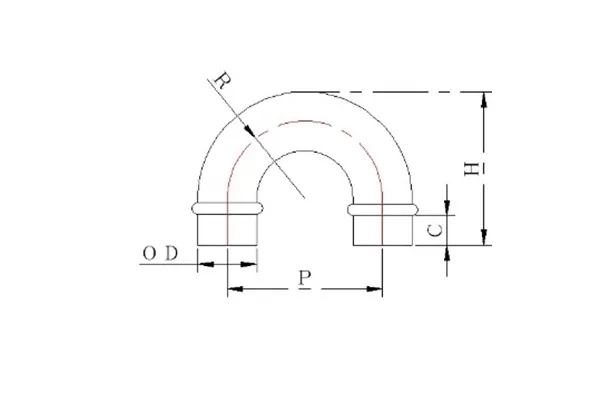
When evaluating copper press fittings, check the fitting profile, compatible pressing tools, seal material and approved service conditions before specifying a system.
The Global Standards Landscape
As copper fitting technology matured, so did the framework of international standards that ensures quality and interoperability across markets. Today's global marketplace operates under a patchwork of regional standards:
· North America: ASME B16.22 (Wrought copper and alloy fittings)
· Europe: EN 1254-1 (Copper fittings for water and gas)
· United Kingdom: BS 864 (Capillary and compression fittings)
· Australia: AS 364
· China: GB/T 11618
For manufacturers serving international markets, compliance across multiple standards is no longer optional—it's a baseline requirement.
Market Drivers
The global copper tube and fittings market reflects the essential nature of these components. Valued at approximately USD 2.76 billion in 2025, the market is projected to reach USD 3.58 billion by 2032. Several forces are driving this growth: HVAC modernization dominates as energy efficiency regulations push replacements of aging systems; water infrastructure renewal in developed markets addresses decades-old plumbing systems; urbanization and sanitation expansion in emerging economies creates new demand; and industrial replacement cycles in manufacturing, automotive, and electronics sustain consistent volume.
For projects involving HVAC copper fittings, selection should start with the system medium, operating temperature, pressure and joining method. Confirm suitability for the specific application rather than assuming all copper fittings are interchangeable.
What's Next
The future of copper fittings lies at the intersection of traditional reliability and emerging technology. Traceability and sustainability are becoming competitive differentiators—customers increasingly want documentation of recycled content, responsible sourcing, and lifecycle environmental impact. Digital manufacturing is reshaping production: machine vision, AI-assisted planning, and digital quality records are being deployed to reduce scrap, eliminate defects, and accelerate custom order response times.
And beneath all of this evolution lies copper's fundamental advantage: it remains one of the most durable, recyclable, and thermally efficient materials available for fluid handling. The fittings have changed. The joining methods have changed. The manufacturing has transformed. But the material at the core of these systems has proven remarkably enduring.
For plumbing and HVAC professionals, the message is clear: the copper fittings you install today connect to a lineage of innovation stretching back nearly a century—and the next chapter is being written now.
Market data referenced from industry research publications.
Historical reference: Copper Development Association (CDA).
Press-connect standard: ASME B16.51 / International Plumbing Code.
Planning a copper fitting order? Contact JKL with your application, tube dimensions, required connection type, target standard and quantity to discuss suitable options.
Other Brass Valves from JKL Brass Valve