
When installing water pipes at home, many people know that copper pipes are a good choice — but they often cannot tell the difference between red copper pipes and brass pipes.
Here is the simple answer: use red copper for the main pipeline, and use compliant brass for valves and fittings. Each material plays its own role, and together they form the optimal solution.
Material: Pure Copper vs Copper-Zinc Alloy
Red copper: Copper content is usually ≥ 99.9%, with almost no impurities. They are purplish-red in color and flexible in texture.
Brass: An alloy mainly composed of copper and zinc. It is golden in color and high in hardness. Some grades contain trace amounts of lead.

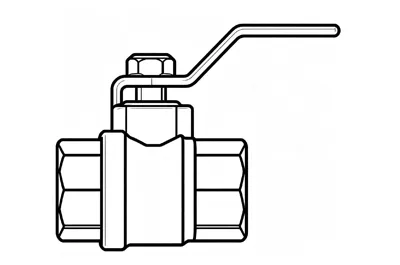
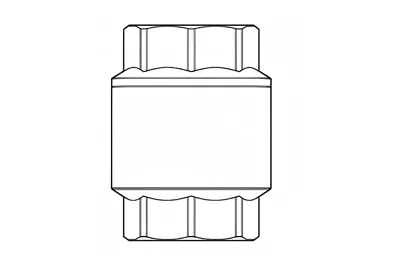
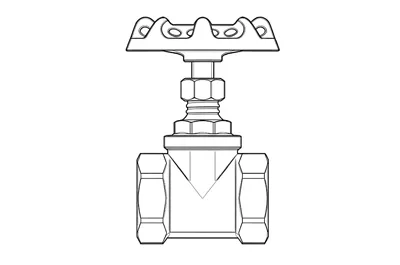
Key point: Brass is rarely used as the main body of a water pipe. Its primary application is valves, fittings, and hardware accessories. Comparing brass fittings with the main pipeline is not a fair comparison to begin with.
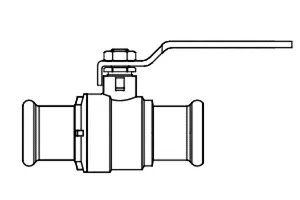
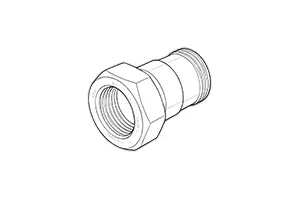
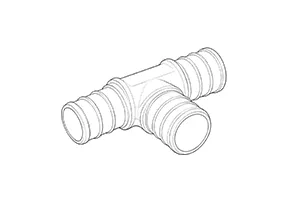
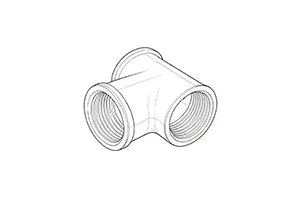
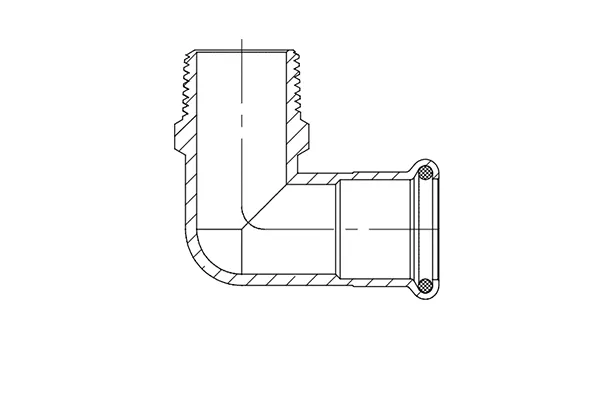
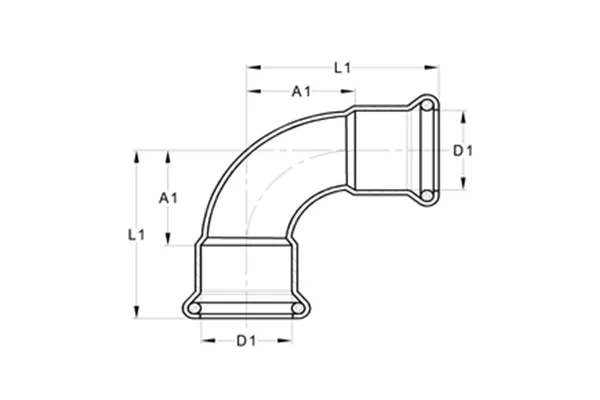
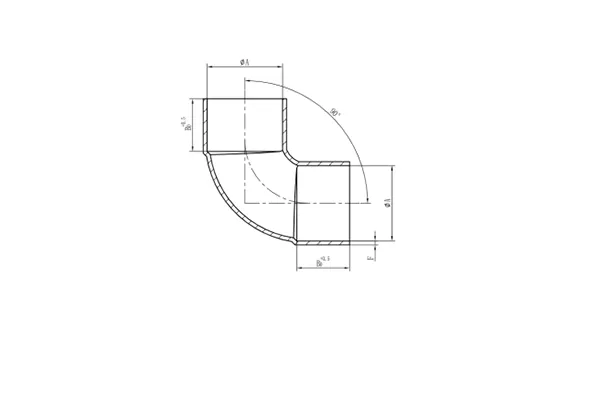
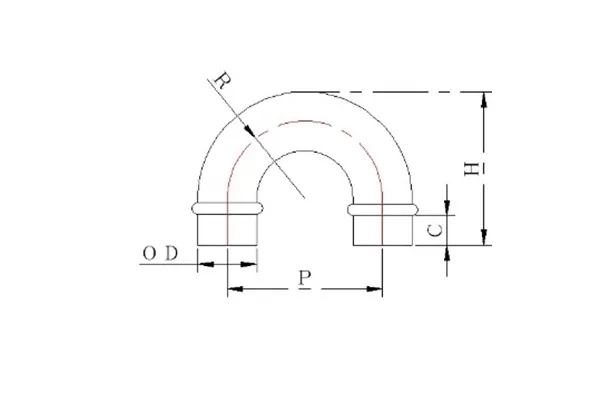
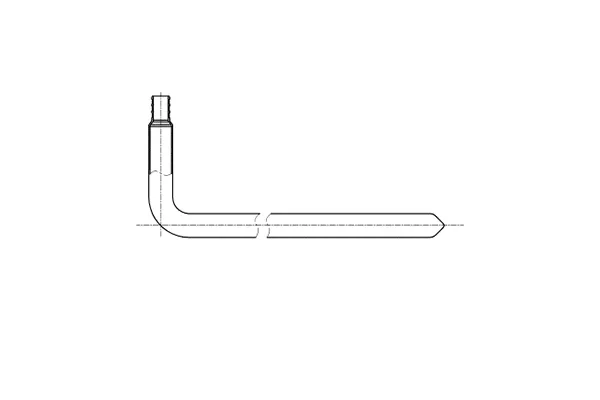
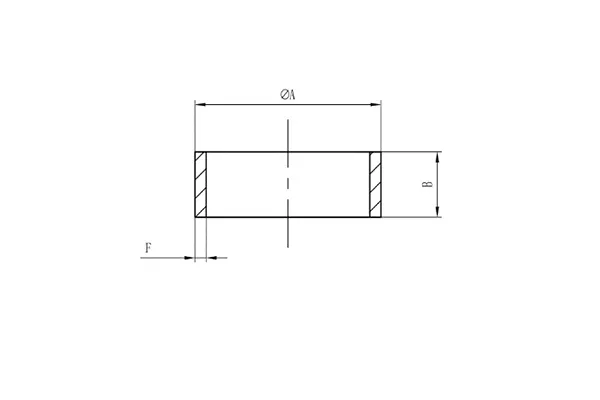
When specifying copper tubing, select copper water pipe fittings that match the tube dimensions, joining method and service conditions. Pipe material and fitting compatibility should be evaluated together.
Corrosion Resistance: Red Copper Is More Stable, but Dezincification Depends on the Grade
When red copper comes into contact with water, it forms a dense oxide film that provides self-protection. It will not perforate or leak over the long term, and its service life can exceed 50 years.

In ordinary brass grades, the zinc content does pose a risk of dezincification corrosion when exposed to slightly acidic water, high temperatures, or high-chloride water — the zinc is leached out, leaving behind a loose copper skeleton. However, dezincification-resistant brass (DZR) can greatly reduce this risk by adding elements such as arsenic and tin.
The problem is not brass as a material, but the market practice of using ordinary brass to pass off as the main red copper pipeline.
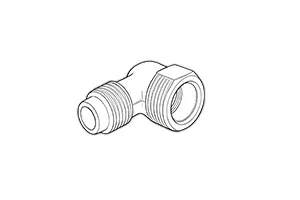
When comparing brass pipe fittings, review the specified alloy, connection type and suitability for the intended water service. For applications where dezincification is a concern, request supporting material and test documentation.
Water Quality Safety: Red Copper Is Better for Drinking Water, but the Connection Method Matters
Red copper does not contain zinc. Under water quality conditions that meet relevant standards, copper ion release is usually controllable, and the copper surface has a certain natural antibacterial effect.
Although brass fittings are highly hard, some grades contain lead, and trace amounts of lead may be released when water sits unused for a long time. Some studies show that in systems using red copper pipes together with brass fittings, under specific water quality conditions, there may be a risk of increased concentrations of nickel, lead, and zinc.
Therefore, the truly hygienic approach is to use red copper for the main pipeline and choose lead-free or low-lead compliant brass for fittings, minimizing the number of dissimilar metal connection points.
Faster Heat Conduction: More Energy-Efficient for Hot Water and Underfloor Heating
The thermal conductivity of red copper is about 380–400 W/(m·K), while that of brass is about 106–120 W/(m·K) — a difference of roughly 3 to 4 times.
This means that in hot water systems, red copper pipes respond faster in wall temperature. For applications that are sensitive to thermal response, such as tankless water heaters and underfloor heating coils, the energy-saving advantage of red copper pipes is more pronounced.

How to Choose More Simply
Red copper pipes: high-end home renovation, hot water pipes, direct drinking water, long-term maintenance-free use, and health-conscious households
Compliant brass or dezincification-resistant brass fittings: valves, connectors, and hardware accessories (high strength, wear-resistant; choose lead-free or low-lead grades)
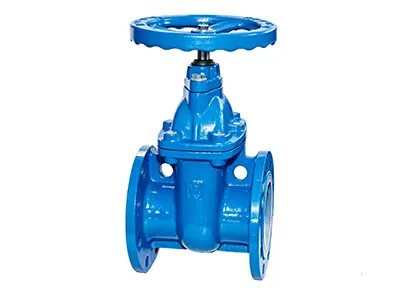
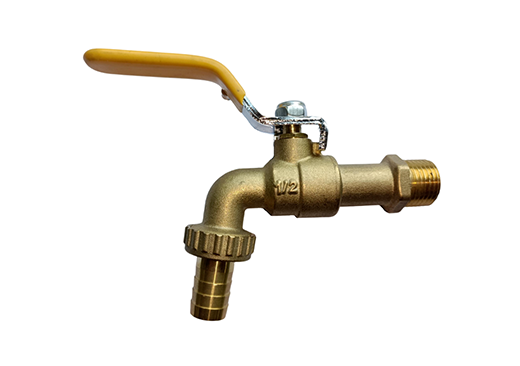
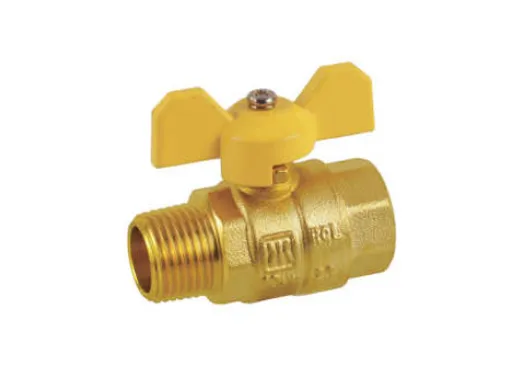
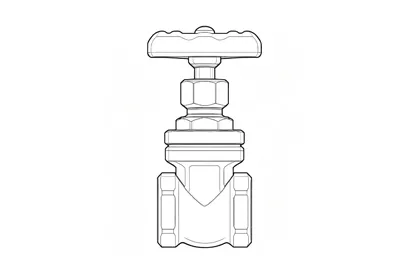
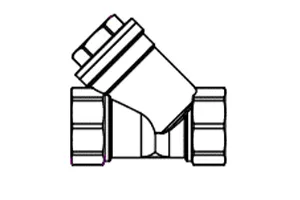
For flow control, compare brass valves for water supply by function, pipe size, connection type, pressure and temperature requirements. Select the valve for its specific duty within the plumbing system.
In one sentence:
Choose red copper for the main water pipe for safety and durability of 50 years; use compliant brass for valves and fittings to balance strength and cost-effectiveness. The key is to check the material identification and test reports, and not be misled by vague terms such as "copper alloy pipe."
Other Brass Valves from JKL Brass Valve