Choosing between a brass ball valve and a stainless steel ball valve is not only a material decision. It affects cost, corrosion resistance, installation, water compatibility, long-term maintenance and project purchasing strategy. For many water supply, plumbing, HVAC, gas and light commercial systems, brass ball valves remain a practical and cost-effective choice. Stainless steel ball valves are usually selected for harsher environments, higher corrosion risk or more demanding industrial conditions.
This guide compares brass ball valve vs stainless steel ball valve from the perspective of material, cost, application and purchasing. It is written for contractors, distributors, wholesalers and project buyers who need to select a high quality ball valve for water, plumbing or HVAC systems.
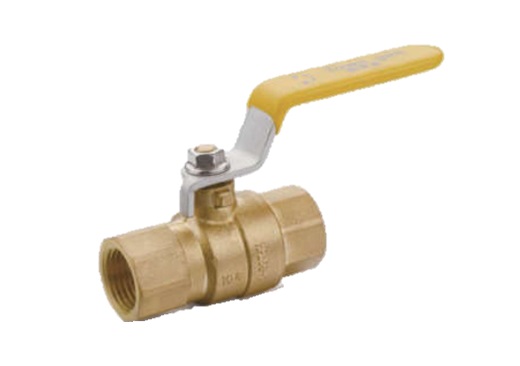
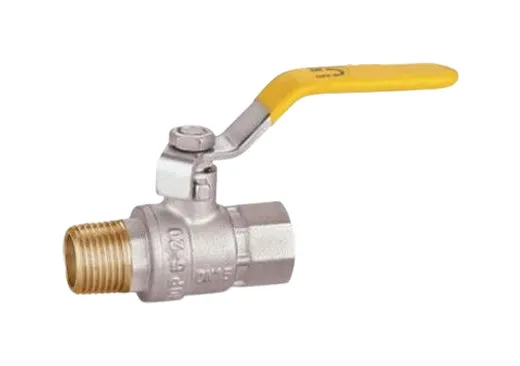
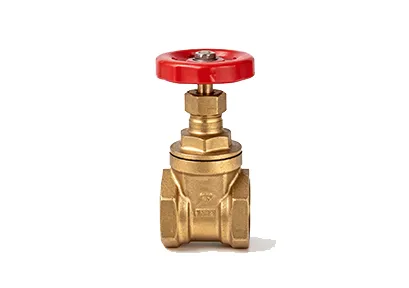
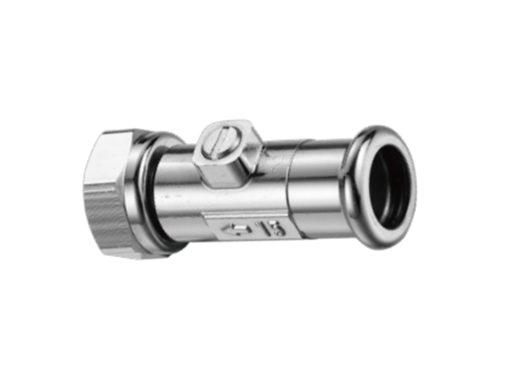
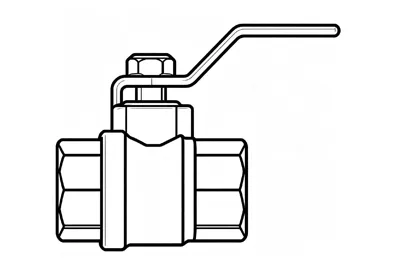
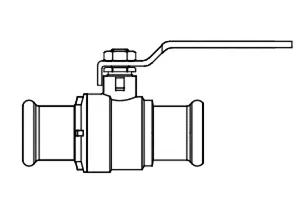
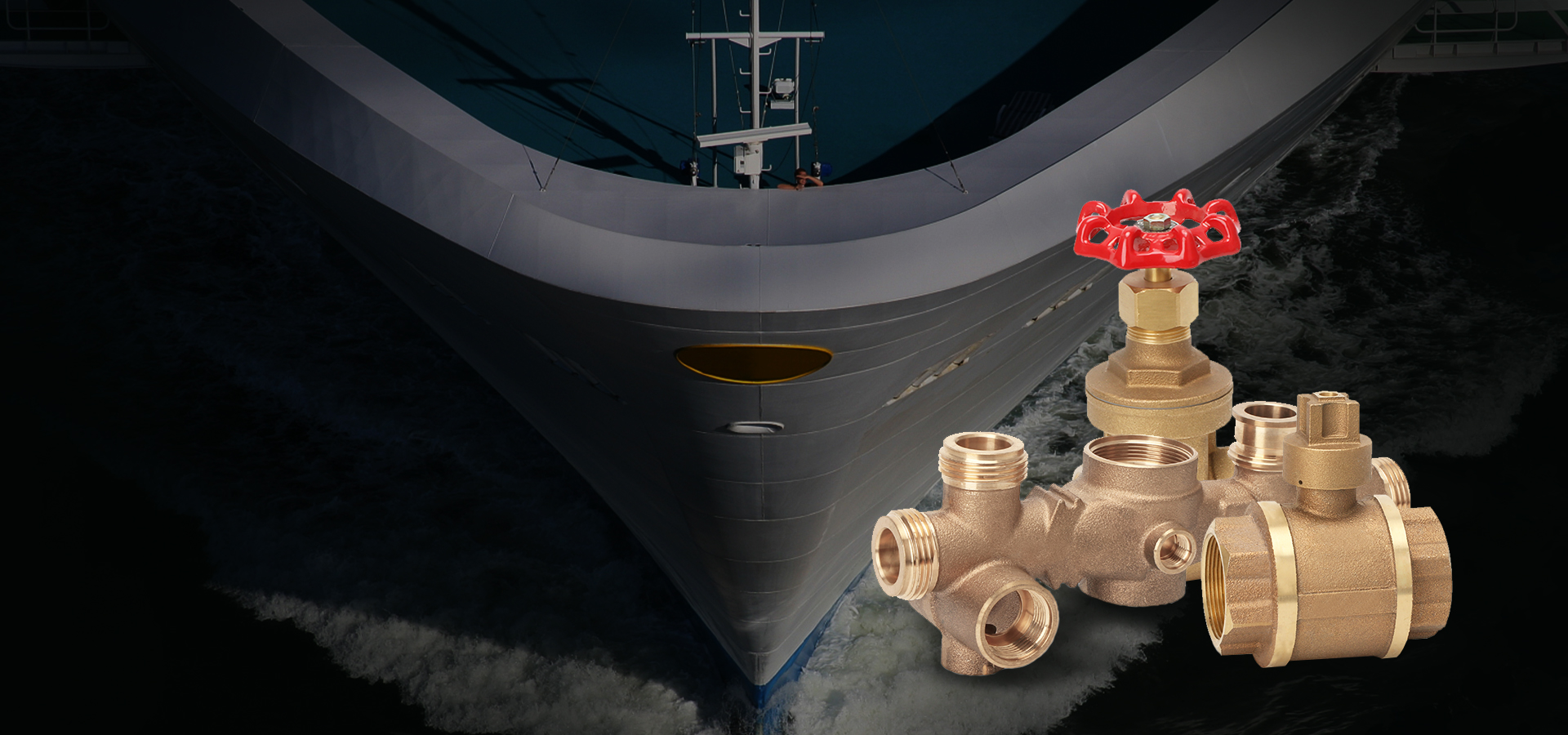
Brass ball valves are commonly used in water, plumbing and HVAC systems, while stainless steel ball valves are often selected for harsher industrial environments.
Quick Answer: Brass Ball Valve vs Stainless Steel Ball Valve
A brass ball valve is usually better for water supply, plumbing, HVAC, gas shut-off and cost-sensitive projects where the media is not highly corrosive. A stainless steel ball valve is usually better for chemical processing, marine environments, high-temperature systems or applications with stronger corrosion requirements.
| Selection Need | Recommended Valve | Reason |
|---|---|---|
| General water supply | Brass ball valve | Cost-effective, durable and suitable for many water systems |
| Plumbing and HVAC projects | Brass ball valve | Easy to install, widely available and suitable for frequent shut-off |
| Harsh chemical media | Stainless steel ball valve | Better chemical and corrosion resistance |
| Marine or chloride-rich environment | Stainless steel ball valve | Stronger resistance to chloride-related corrosion |
| Budget-sensitive wholesale order | Brass ball valve | Lower unit cost and strong market demand |
| High-pressure industrial system | Depends on specification | Check pressure rating, temperature, sealing material and media compatibility |
What Is a Brass Ball Valve?
A brass ball valve is a quarter-turn shut-off valve made with a brass valve body and an internal ball that controls flow. When the handle is parallel to the pipe, the valve is usually open. When the handle is perpendicular to the pipe, the valve is usually closed.
Brass is a copper-zinc alloy known for good machinability, stable mechanical performance and reliable use in many water and plumbing systems. This makes brass ball valves a common choice for contractors, plumbing installers, HVAC engineers, water meter connections and distributors.
Common applications of brass ball valves include:
Residential and commercial water supply lines
Plumbing shut-off points
Water meters and branch pipelines
HVAC and heating systems
Gas shut-off applications where the valve specification is suitable
Compressed air and light industrial systems
Wholesale plumbing and hardware distribution
Explore JKL Valves' brass ball valves for water, gas, plumbing and HVAC applications.
What Is a Stainless Steel Ball Valve?
A stainless steel ball valve has a stainless steel body and is designed for applications where corrosion resistance, strength or harsh media compatibility is a priority. Stainless steel ball valves are often used in chemical processing, marine environments, food processing, industrial pipelines and systems exposed to more aggressive conditions.
Compared with brass, stainless steel is generally stronger and more resistant to many corrosive media. However, stainless steel ball valves usually have a higher material and machining cost, which makes them less economical for standard water, plumbing and HVAC projects where brass already meets the application requirements.
Material Comparison: Brass vs Stainless Steel Ball Valves
| Factor | Brass Ball Valve | Stainless Steel Ball Valve |
|---|---|---|
| Main material | Copper-zinc alloy | Iron-based alloy with chromium and other elements |
| Corrosion resistance | Good for water, air and many mild media | Better for harsh, chloride-rich or chemical environments |
| Machinability | Easy to machine and process | Harder to machine |
| Cost | Usually lower | Usually higher |
| Typical use | Water, plumbing, HVAC, gas shut-off, general service | Chemical, marine, industrial and demanding systems |
| Best buyer profile | Distributors, plumbing contractors, OEM buyers, water system projects | Industrial buyers with higher corrosion or temperature requirements |
Cost Comparison: Which Valve Is More Economical?
For most buyers, cost is one of the biggest reasons to choose a brass ball valve. Brass is generally easier to process than stainless steel, and brass ball valves are widely produced for plumbing, water supply and HVAC markets. This usually gives brass ball valves a lower purchase cost and shorter supply cycle.
Stainless steel ball valves usually cost more because the raw material, machining difficulty and production requirements are higher. In demanding applications, the higher cost may be justified. However, for standard water lines, plumbing systems, HVAC service points and distributor stock, a high quality brass ball valve often provides a better balance of performance and price.
| Cost Factor | Brass Ball Valve | Stainless Steel Ball Valve |
|---|---|---|
| Initial purchase cost | Lower | Higher |
| Machining cost | Lower | Higher |
| Replacement availability | Very common in plumbing markets | More application-specific |
| Best value area | Water, plumbing, HVAC and general service | Industrial, marine or corrosive service |
Are Brass Ball Valves Good for Water?
Yes. Brass ball valves for water are widely used in residential, commercial and light industrial water systems. They are commonly installed on water supply lines, water meters, plumbing fixtures, branch pipelines and HVAC water circuits.
For potable water applications, buyers should confirm the valve material, sealing material, lead content requirements, local drinking water regulations and applicable certifications. For building water systems, EN 13828 covers manually operated copper alloy and stainless steel ball valves for potable water supply in buildings, including requirements for materials, design, mechanical performance, hydraulic performance, testing and marking.
When Should You Choose a Brass Ball Valve?
You should choose a brass ball valve when your application requires reliable shut-off, easy operation and good cost efficiency in a normal water, gas, plumbing or HVAC environment.
Choose brass ball valves for:
Water supply and plumbing shut-off
HVAC and heating systems
Water meter and branch line connections
Residential and commercial building projects
Distributor and wholesaler stock programs
OEM packaging or private label valve orders
Projects where cost, availability and reliable quality are priorities
If you are sourcing from a brass ball valve manufacturer, provide size, thread standard, application media, pressure requirement, surface finish, handle type, packaging style and order quantity. This helps the supplier recommend the right valve instead of only quoting a generic product.
When Should You Choose a Stainless Steel Ball Valve?
A stainless steel ball valve is more suitable when the application involves aggressive chemicals, seawater, high corrosion risk, high-temperature media or demanding industrial service. It is also commonly used where the buyer prioritizes corrosion resistance over initial purchase cost.
Choose stainless steel ball valves for:
Chemical processing lines
Marine or saltwater environments
Some food and beverage systems
Industrial processes with harsh media
Systems with higher temperature or pressure requirements
Applications where corrosion failure would be costly or dangerous
For these applications, buyers should not choose based on material name alone. Always check grade, pressure rating, seal material, connection type and chemical compatibility.
Application Comparison
| Application | Better Choice | Buyer Note |
|---|---|---|
| Household water line | Brass ball valve | Common, economical and easy to install |
| Commercial plumbing | Brass ball valve | Suitable for shut-off and maintenance points |
| HVAC water circuit | Brass ball valve | Good for service isolation and branch control |
| Gas shut-off | Suitable brass ball valve | Confirm gas rating, sealing and local requirements |
| Marine environment | Stainless steel ball valve | Better resistance to chloride-related corrosion |
| Chemical process | Stainless steel ball valve | Check chemical compatibility before selection |
| Wholesale plumbing market | Brass ball valve | Strong demand and better cost control |
How to Choose a High Quality Ball Valve
Whether you choose brass or stainless steel, a high quality ball valve should be selected based on real operating conditions, not only price. For water, plumbing and HVAC projects, buyers should review these factors before placing an order:
Valve size: Match pipe size and flow requirements.
Connection type: Confirm threaded, compression, press-fit or other connection options.
Pressure rating: Make sure the valve matches system pressure.
Temperature range: Check compatibility with hot water or heating systems.
Sealing material: Confirm seat and seal suitability for the media.
Surface finish: Natural brass, nickel-plated or customized finishes may be needed by different markets.
Testing: Ask about leakage testing, pressure testing, thread inspection and final quality control.
Compliance: For drinking water, check local requirements and relevant certification needs.
Why Work with a Brass Ball Valve Manufacturer?
Buying from a professional brass ball valve manufacturer helps buyers control quality, cost and delivery more effectively. Instead of sourcing random stock products, distributors and project buyers can confirm specifications directly with the factory and request custom packaging, logo marking, thread standards or product range planning.
JKL supplies brass valves for water supply, gas, plumbing, heating and HVAC applications. The brass valve product range includes brass ball valves, brass gate valves, brass check valves, brass stop valves and other pipeline control products.
For distributors, wholesalers and OEM buyers, JKL Valves can support:
Brass ball valve wholesale supply
OEM packaging and logo marking
Multiple sizes and connection options
Water, gas, plumbing and HVAC application support
Quality inspection before shipment
Project-based brass valve selection
Final Recommendation
For standard water supply, plumbing, HVAC, gas shut-off and cost-sensitive wholesale markets, a brass ball valve is usually the better choice. It offers reliable shut-off, easy installation, good market availability and strong cost performance.
For harsh chemicals, seawater, high corrosion exposure or demanding industrial systems, a stainless steel ball valve may be more suitable. The best decision depends on the application media, pressure, temperature, environment, certification requirements and budget.
Need help choosing brass ball valves for water, plumbing or HVAC projects? Contact JKL Valves to request a quote, product catalog or OEM brass valve solution.
FAQ: Brass Ball Valve vs Stainless Steel Ball Valve
1. Which is better, a brass ball valve or stainless steel ball valve?
A brass ball valve is better for many water, plumbing, HVAC and cost-sensitive applications. A stainless steel ball valve is better for harsh chemicals, marine environments, high corrosion risk or more demanding industrial systems. The better choice depends on the media, pressure, temperature, environment and budget.
2. Are brass ball valves good for water lines?
Yes. Brass ball valves are commonly used for water lines because they are durable, easy to operate and cost-effective. For drinking water applications, buyers should confirm material compliance, lead content requirements, sealing materials and local certification requirements before ordering.
3. Why are brass ball valves cheaper than stainless steel ball valves?
Brass ball valves are usually cheaper because brass is easier to machine and is widely used in plumbing and water supply markets. Stainless steel is harder to process and is often selected for more demanding environments, which increases material and manufacturing cost.
4. Can brass ball valves be used for hot water?
Many brass ball valves can be used for hot water or heating systems when the valve design, pressure rating, temperature range and sealing material are suitable. Buyers should always check the technical specification instead of assuming all brass valves have the same temperature capability.
5. What information should I provide to a brass ball valve manufacturer?
You should provide valve size, connection type, application media, pressure rating, temperature range, surface finish, handle type, quantity, packaging requirements and target market. For OEM orders, also provide logo marking, certification needs and annual purchase volume.
Other Brass Valves from JKL Brass Valve