
In a cleanroom, there are various pipeline systems, such as water supply and drainage, air conditioning water, fire-fighting water, and various process pipelines like process cooling water, pure water, wastewater, etc., which ensure the production and safety of the plant. However, many engineers overlook a highly destructive hidden hazard—water hammer effect. It seems silent but can instantly cause severe damage to pipelines, valves, precision instruments, and may even lead to media leakage, polluting the clean environment, and causing large-scale process equipment shutdowns, resulting in huge economic losses.
Today, we're going to help you thoroughly understand what the water hammer effect in cleanroom pipelines is, why it happens, its hazards, and how to accurately prevent it, making the pipeline system safer and more stable!
I. Where does the water hammer effect come from? 3 Core Causes
In simple terms, the water hammer effect is when the water flow speed inside a pipeline suddenly changes drastically, creating a powerful shock wave that strikes the inner wall of the pipeline, hence the name.
In a cleanroom pipeline system, the main causes of water hammer can be summarized into three common scenarios:
1. Valve operation speed is too fast (most common cause)
In a cleanroom, when operators quickly close or open process valves or water supply and drainage valves, especially large-diameter valves, the originally stable water flow is suddenly blocked or accelerated. The inertia of the water flow cannot be immediately dissipated, resulting in severe pressure fluctuations at the valve.
2. Sudden pump start/stop (high-risk cause)
In cleanrooms, when booster pumps or circulating pumps suddenly lose power and stop, or fail and stop suddenly, or if valves are not opened slowly during startup, the water flow instantly loses its driving force or is suddenly pushed. Two situations may occur: during pump stop, the backflow of water strikes the check valve, and during pump start, the water flow impacts the empty pipe at high speed, directly causing strong water hammer. This is also the main reason for abnormal noises and vibrations in cleanroom pipelines.
3. Air not fully purged from the pipeline (easily overlooked cause)
After pipeline installation or maintenance in cleanrooms, if the air is not fully purged from high points, residual air forms air pockets. As water flows, the air is repeatedly compressed and expanded, disrupting the stability of the water flow. Given that cleanroom pipelines often consist of long and narrow pipelines with many bends, the mixture of air and water can easily exacerbate pressure fluctuations, triggering water hammer, and may be accompanied by pipe shaking and abnormal noises.
II. Explaining the Water Hammer Principle: Instant Conversion of Kinetic and Pressure Energy
Many people find the principle of water hammer difficult to understand, but it can actually be explained with common sense:
When water flows normally in a pipeline, it has kinetic energy and stable pressure, both in a balanced state. Once a valve or pump causes the water flow to suddenly "brake" or "start suddenly," the kinetic energy of the water is not immediately released and is instantly converted into extremely high pressure energy, creating a high-speed pressure shock wave that rebounds within the pipeline until the energy is gradually dissipated. This process is the water hammer effect.
From a professional perspective, simplified understanding:
The incompressibility of water, flow inertia, and pipeline elasticity together cause local pressure to spike instantly, reaching 3-10 times the normal working pressure. The shock wave propagates through the pipeline at nearly the speed of sound, repeatedly impacting the pipe wall, valves, and instruments.
III. The Hazards of Water Hammer in Cleanrooms
While the damage caused by water hammer in ordinary plants is already significant, in cleanrooms, where the requirements for environment, equipment, and media purity are extremely high, the destructive force of water hammer is infinitely amplified, with unimaginable consequences:
1. Direct damage to pipeline hardware
Instant high pressure can cause pipeline vibration and displacement, weld cracking, joint loosening, and cleanroom-specific pipelines like PVC, PVDF may even burst directly. Valve seals, flange gaskets are damaged, check valves, flow meters, pressure sensors, and other precision instruments fail, leading to either downtime for repairs or directly scrapping the equipment.
2. Destruction of the clean production environment
After pipeline damage, ultrapure water, purified water, and process media leakage may wet the walls and floors of the clean area. Particles and impurities dislodged from the pipe wall due to vibration may enter the production process, contaminating products like pharmaceuticals and electronic components, causing product defects, or even scrapping entire batches.
3. Impact on production continuity
Equipment failures and pipeline maintenance caused by water hammer will directly lead to production halts in cleanrooms. The cost of downtime in semiconductor, electronics, and pharmaceutical cleanrooms is extremely high, and after repairs, re-cleaning, disinfection, and cleanliness testing are required, leading to substantial economic losses.
4. Long-term safety hazards
Repeated water hammer impacts cause fatigue damage to pipelines and supports. Even if they do not break immediately, their service life is shortened, and sudden leaks may occur later, especially in concealed pipelines within cleanrooms, where maintenance is extremely difficult, and safety risks persist.
IV. Precise Prevention! 4 Major Water Hammer Prevention Measures
For the specificity of cleanroom pipeline systems, water hammer prevention should follow the principles of source control, buffer energy dissipation, standardized operation, and regular maintenance. These four measures are simple and practical:
1. Standardize equipment operation to avoid sudden flow changes
- Valve operation: Rapid opening and closing of valves is strictly prohibited. The closing time for large-diameter valves should be controlled within 10-30 seconds, using step-by-step opening and closing to allow water flow buffering time;
- Pump start/stop: Install soft starters and frequency converters on pumps to achieve slow start and stop. In the event of a power outage, close the valve before stopping the pump to prevent backflow impact.
2. Optimize pipeline design to eliminate air hazards
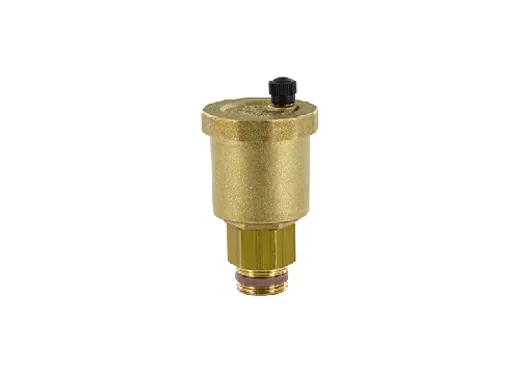
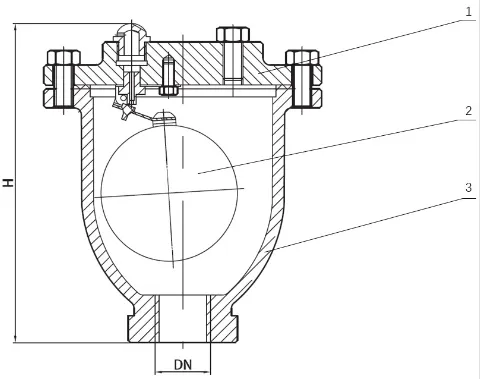
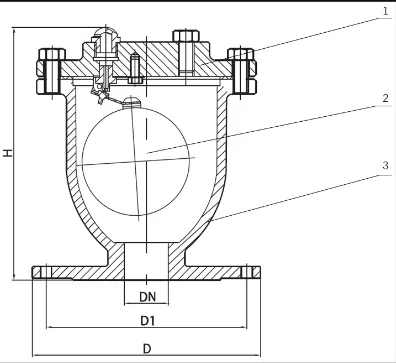
- During pipeline installation, set automatic exhaust valves at high points and drain valves at low points to thoroughly purge air before operation, preventing air pockets from inducing water hammer;
- Plan pipelines reasonably, reducing unnecessary bends and diameter changes. Set long-distance pipelines in sections to reduce water flow inertia impact.
3. Install water hammer protection devices to absorb impact energy
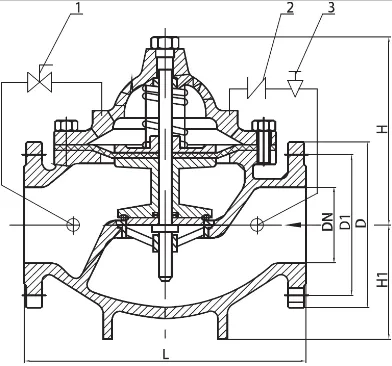
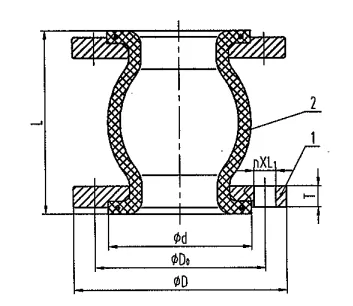
- At critical positions like pump outlets and valve fronts, install water hammer arrestors, slow-closing check valves, and pressure tanks. Utilize the buffering function of these devices to absorb pressure shock waves and neutralize water hammer energy;
- Prioritize the use of silent, hygienic-grade protective devices in clean pipelines to avoid affecting the clean environment.
4. Regular maintenance and inspection to eliminate hazards promptly
- Regularly check whether pipeline supports and fixtures are secure, and whether valves, pumps, and protective devices are operating normally;
- Replace aging seals and malfunctioning instruments in a timely manner, regularly purge residual air from pipelines, and keep maintenance records to prevent water hammer from occurring through daily management.
Other Brass Valves from JKL Brass Valve