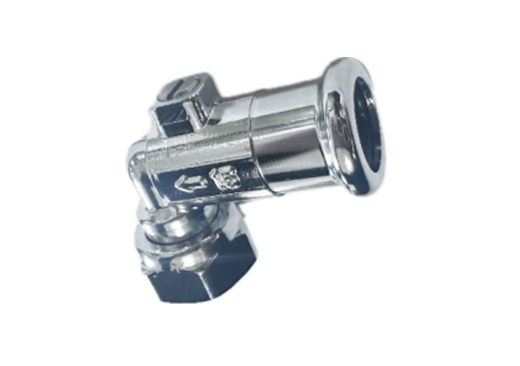
Copper fittings have quietly shaped modern plumbing for nearly a century—and their story is far from over.If you work in plumbing, HVAC, or construction, you know copper fittings as reliable, familia...
28 Oct,2026

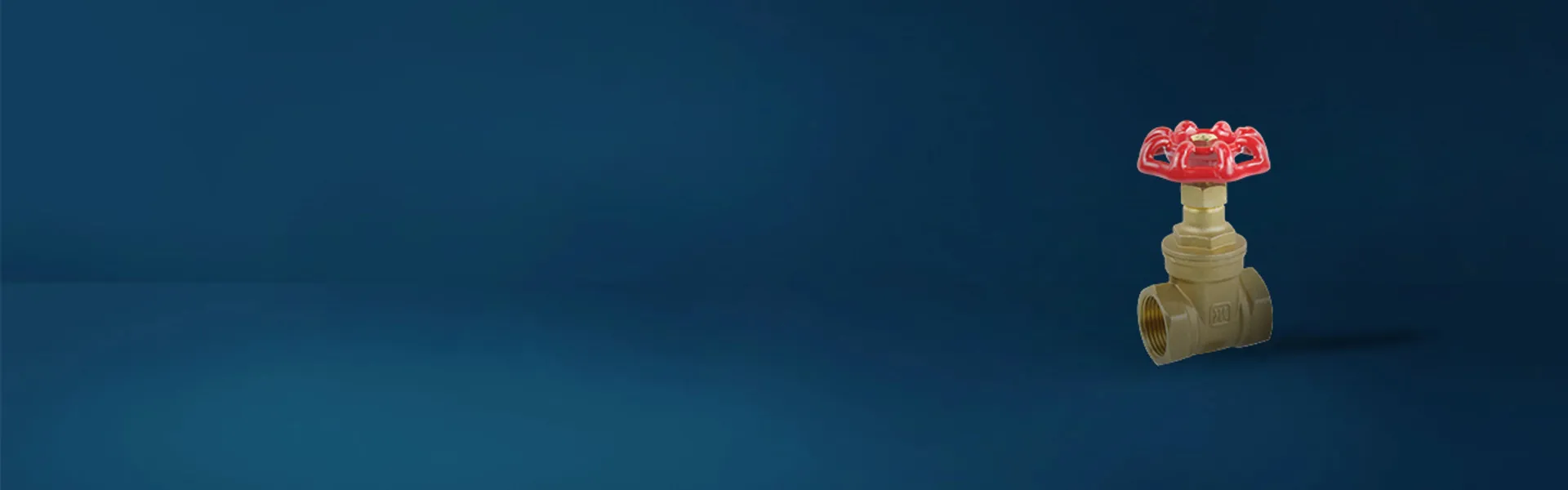
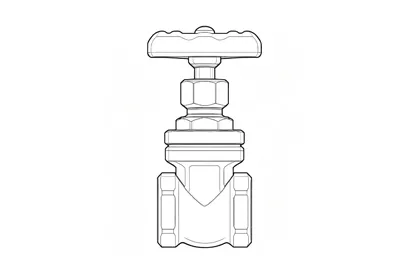
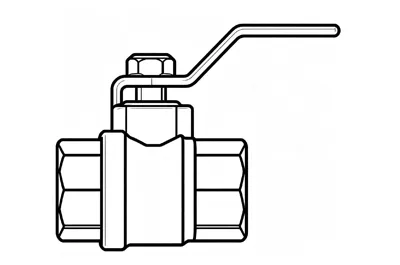
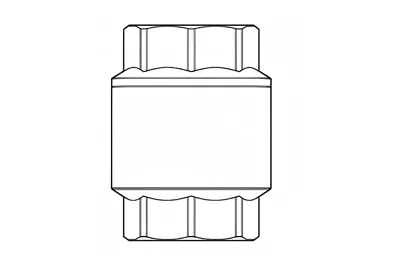
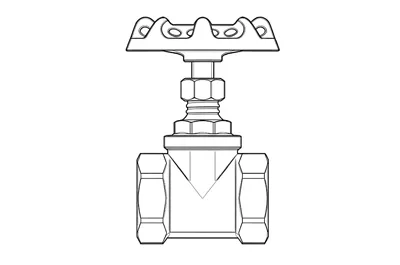
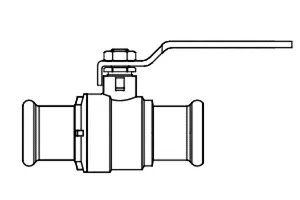
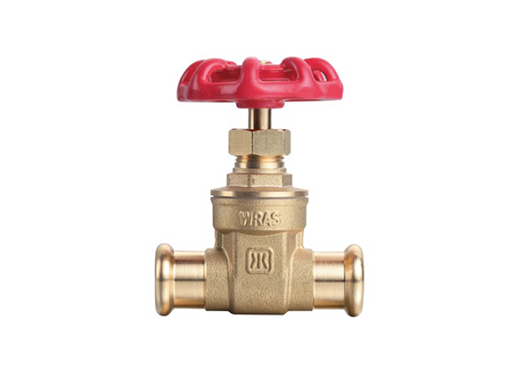
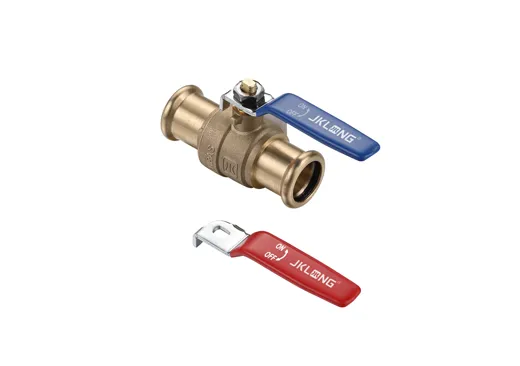
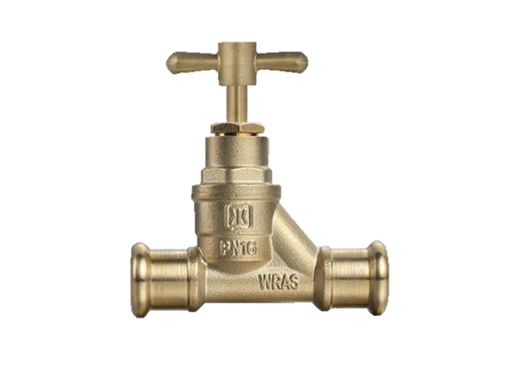
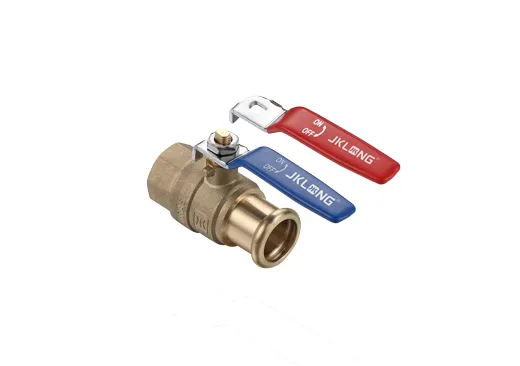
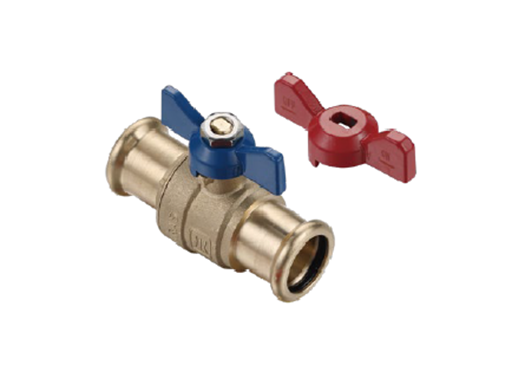
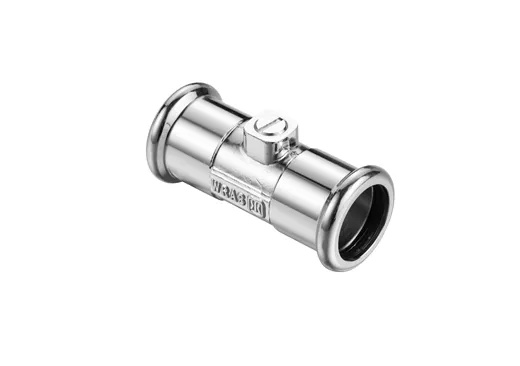
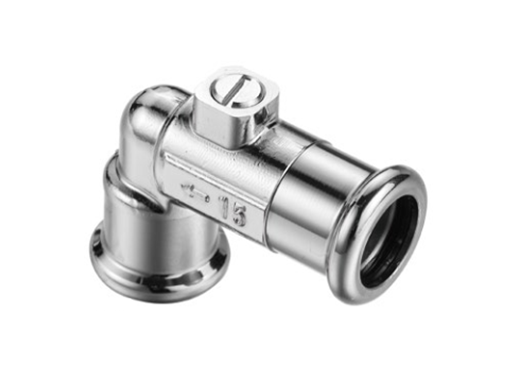
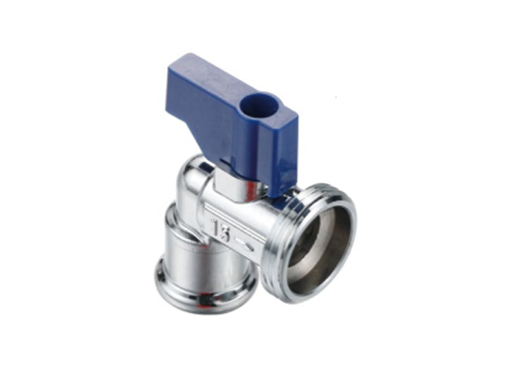
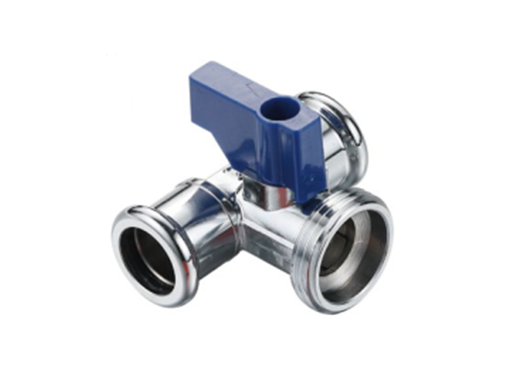
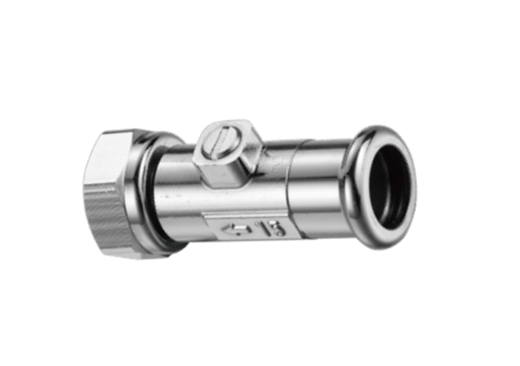
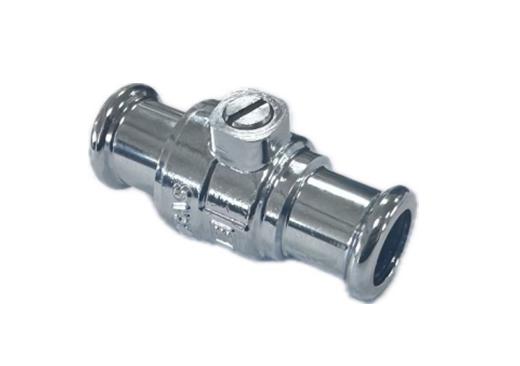
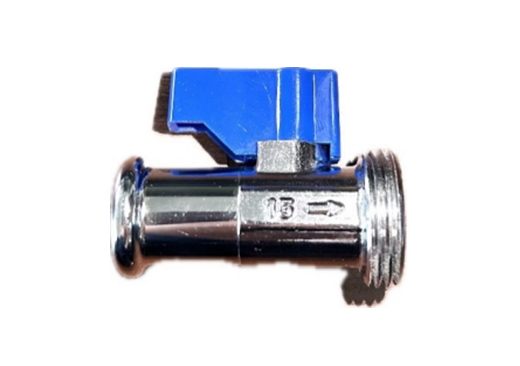
JKL brass press-fit valves serve as durable isolation units for fire auxiliary water pipelines. The press connection delivers leak-proof joints, resisting thermal cycling and ensuring reliable emergency shut-off for fire protection piping networks.
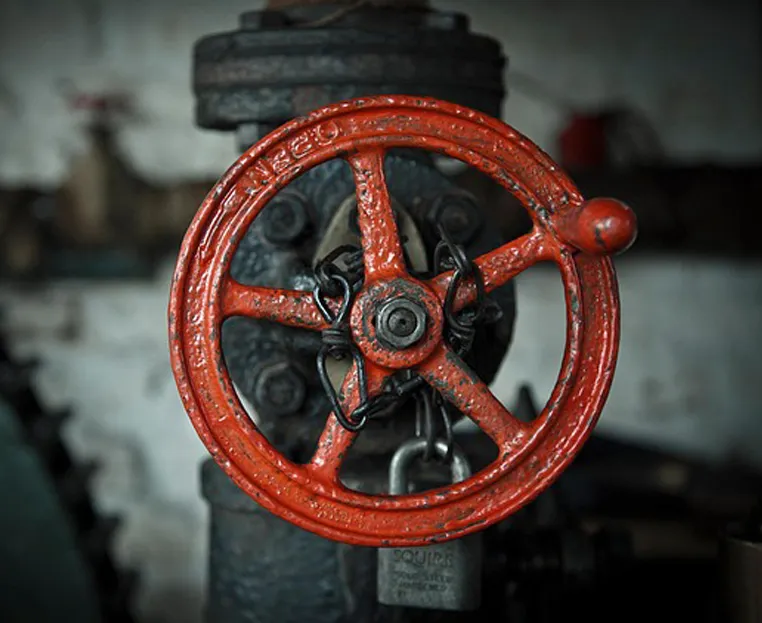

Full bore internal passage preserves consistent flow capacity without local restriction at the integrated press connections.
Smooth internal geometry minimises turbulence and pressure fluctuation, delivering steady flow across thermal cycle changes.
It is designed purely for on-off isolation. Partial opening will erode sealing elements and shorten joint service life.
Compact integrated design fits tight service spaces, without introducing extra flow disturbance to the piping network.

Use standard M-profile professional pressing tools. Incorrect crimping force will compromise the EPDM ring and joint tightness.

Deburr copper pipe ends and clear contaminants before pressing, to avoid particle damage to the internal sealing gasket.

Once pressed, the joint becomes mechanically permanent. Avoid heavy external impact to preserve long-term sealing integrity.
The all-in-one forged brass valve and press-end structure eliminates threaded weak points common on conventional valves.
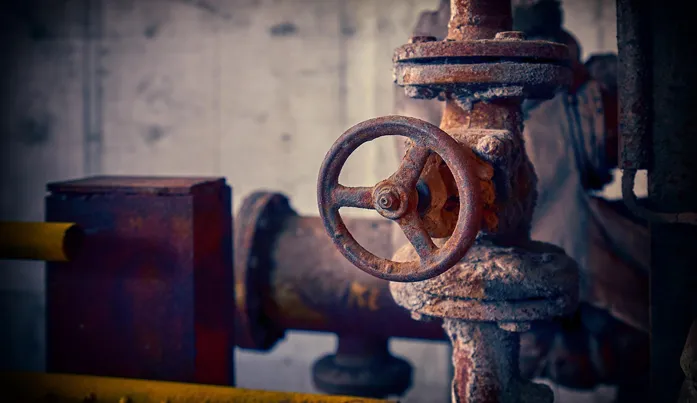
Flame-free mechanical connection removes soldering flux residue, protecting water quality and cutting hot-work permit requirements.
Standardised press interface is fully compatible with mainstream copper press tools, lowering contractors’ extra tool investment.
 What type of copper tubing works with JKL brass press-fit valves?
It is designed for standard M-profile copper press pipes, assembled with dedicated pressing tools to form permanent joints.
What are the core benefits over threaded brass valves?It removes hot work risk and thread thinning issues, delivering more reliable sealing under repeated temperature cycling.
Can I rework or reuse the press connection after crimping?No. The crimped joint is permanent. Disassembly will deform the valve end and ruin the sealing structure.
What medium and applications are suitable for this valve?It applies to cold & hot water for plumbing and HVAC; not for steam, gas or strongly corrosive media.
Professional Valve Design Team for Your Personalized Needs
Email:
jkl@jtgroup.com.cnPhone:
+86 19975329386Address:
No.1 Chengxi Road, Cicheng, Ningbo, ChinaWeChat:
+13462279085MAIL US YOUR MESSAGE
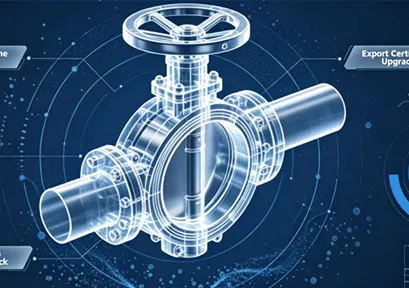
From Soldered Joints to Smart Systems: The Evolutionary Path of Copper Fittings

Red Copper vs Brass Water Pipes: Which Is Better for Home Plumbing?
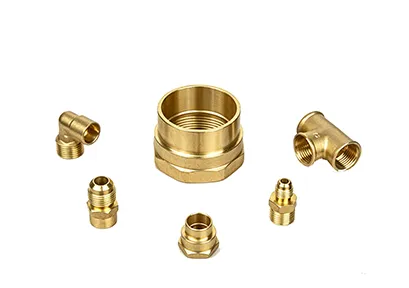
The Metal Pipe Family