Core Mainline: The US-Iran signing is imminent in Geneva on the 19th, TTF has dropped 18% in four days to around 41 euros, the lowest since April; Citi has significantly lowered its gas price forecast...
13 Aug,2026

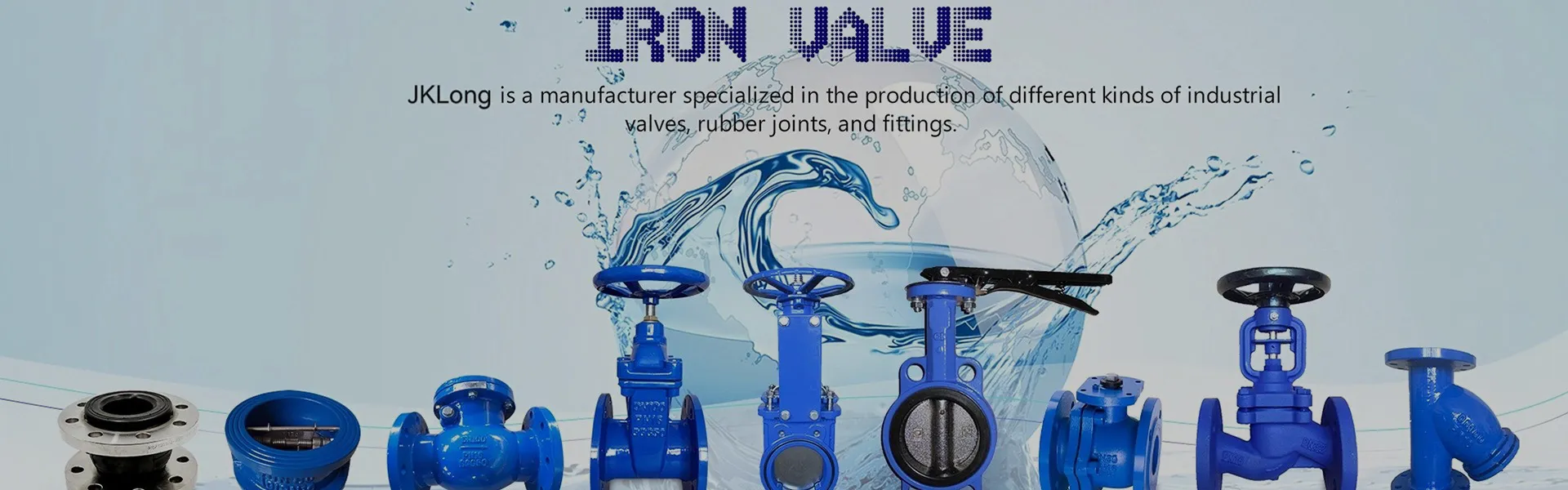
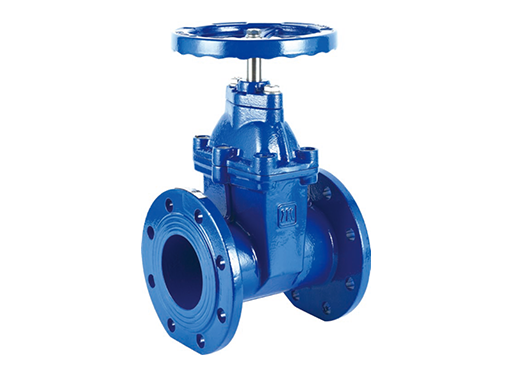
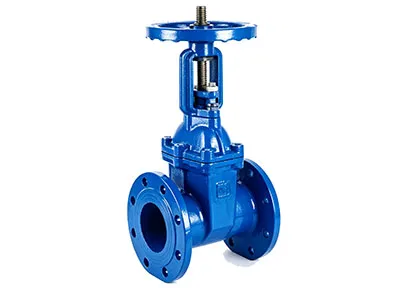
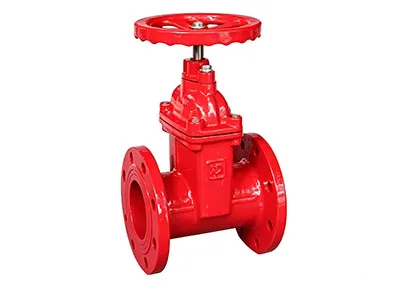
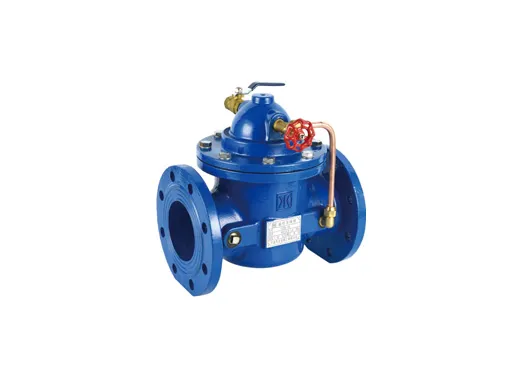
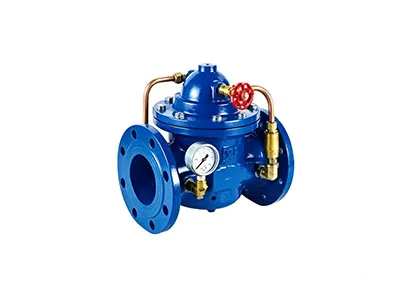
In many fields, in projects requiring long-lasting life of materials, quality and reliability of the components used are critical factors, as they allow to minimize the total impact and costs of potential malfunctions or breakages, and of the replacement of the damaged parts themselves, so cast iron represents the optimal choice.
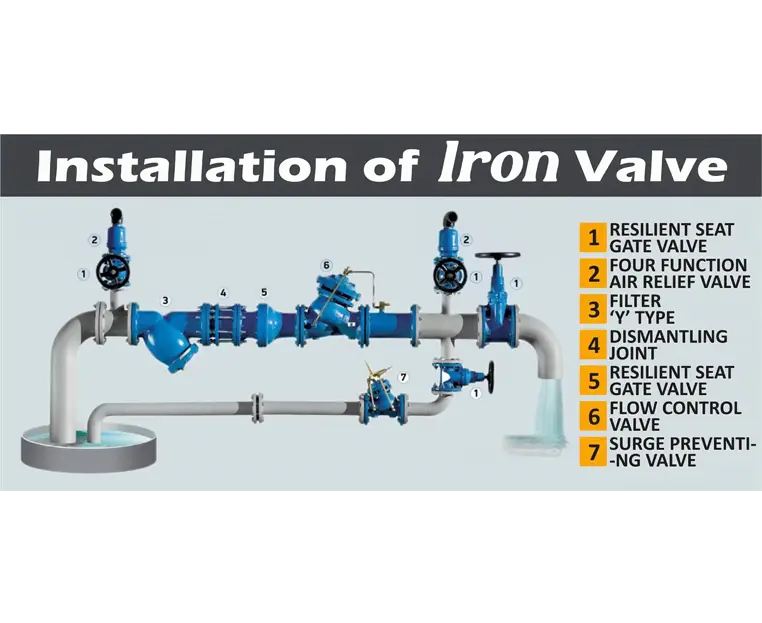

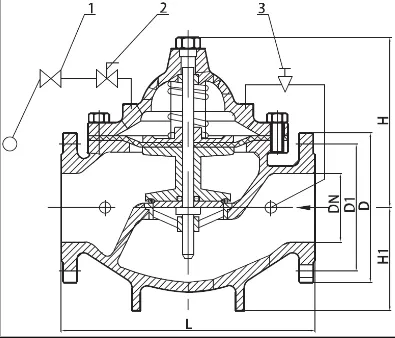
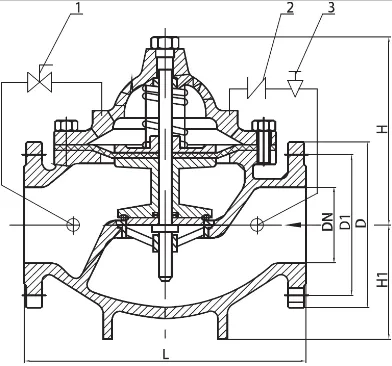
Pressure Maintenance: If the main water supply source has extreme or very low pressure, and there are no valves to release air and control the flow, the waterline pipes can burst and cause an accident. In a way, iron valves maintain safety as well.
Safety Maintained: Iron valves are made with durable materials; hence, they do not react with fluids or corrode. During extreme pressure conditions, a valve helps release the pressure and restore a normal flow. Therefore, safety is always maintained.
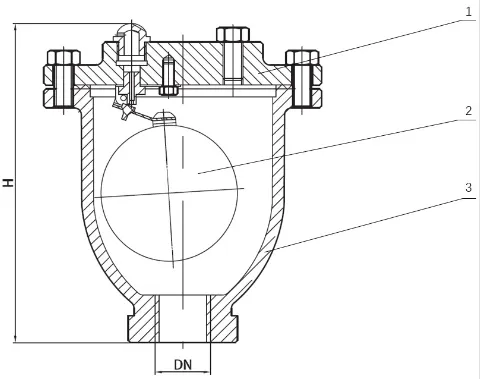
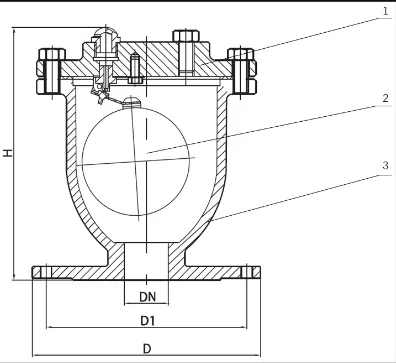
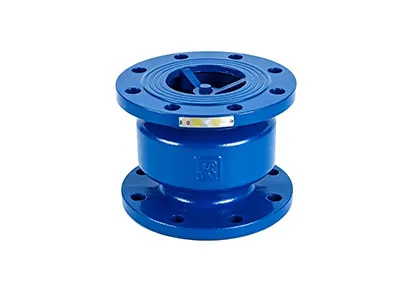
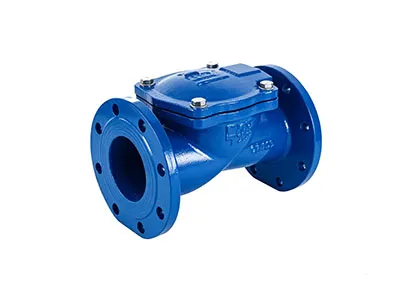
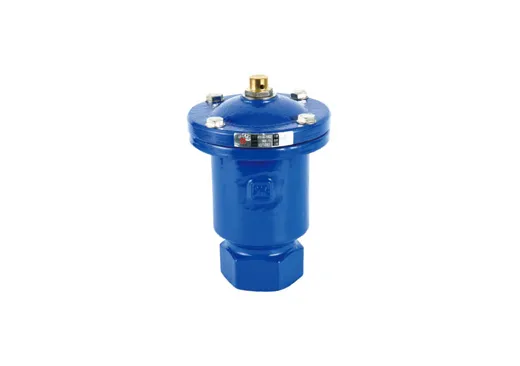
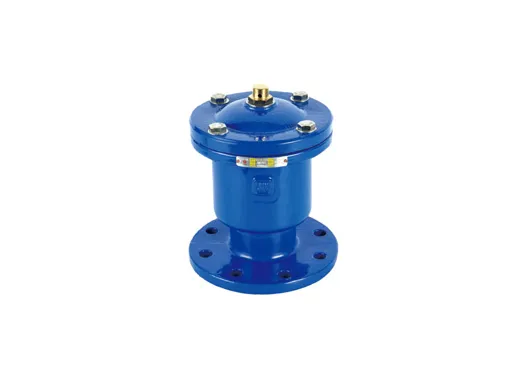
Air Release: Excess pressure can cause a lot of air build-up inside the supply lines of water distribution systems; if the air pressure reaches an extent, it can force the pipelines to crack or, even burst. They can help with excess air release and prevent unwanted mishaps.
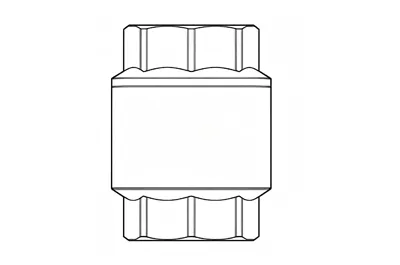
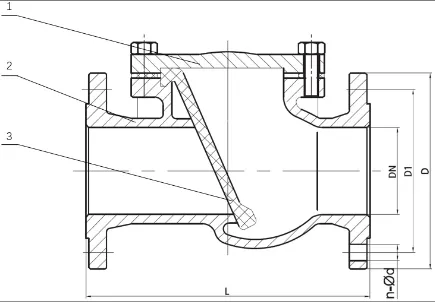
No Fear Of Backflows: Backflows are a nightmare for both industrial and residential settings. Backflows can contaminate the water supply of the whole distribution system, which is something really scary. But, iron valves can preventing backflows and maintaining a hygienic flow in single or multi-direction.

Prepare pipeline ends with clean, flat facing surfaces for flanged valves. For threaded valves, apply high-temperature thread sealant to male tapered threads (BSPT/NPT). Ensure adequate pipe support to prevent valve stress.

Align valve perpendicular to pipe axis using gaskets between flanges. Hand-tighten bolts in a cross-pattern sequence, then torque gradually to spec (typically 30-50% increments). Never wrench the bonnet – apply force only to connection flanges or body hex points.

Control bolt torque strictly. Over-tightening may crack iron flanges or crush gaskets, causing joint failure. Under-tightening risks blowouts under pressure. Hydro-test at 1.5x working pressure post-installation to verify seal integrity.
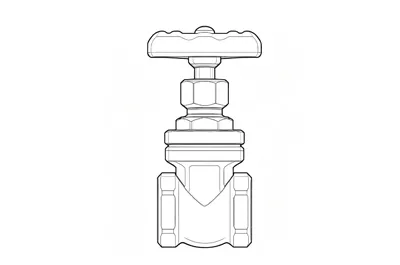
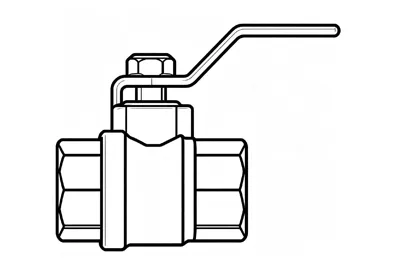
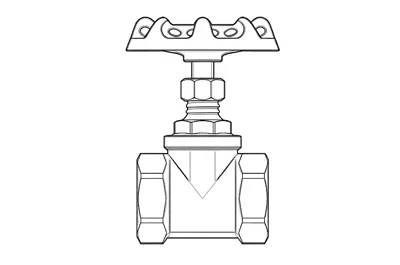
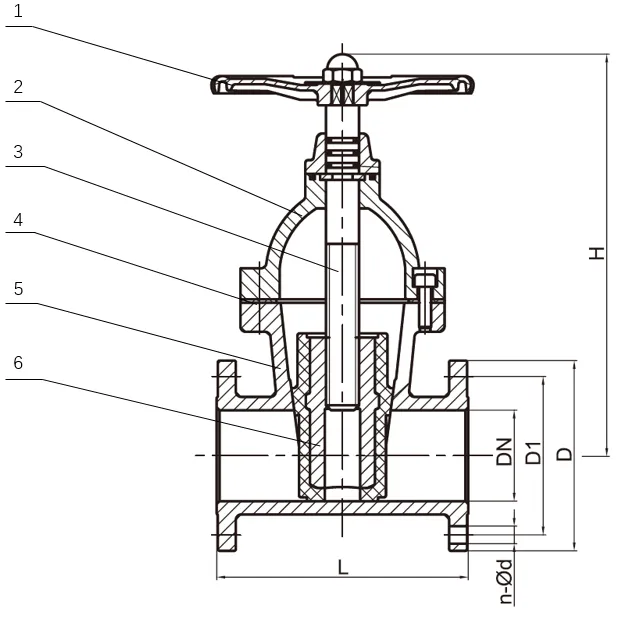
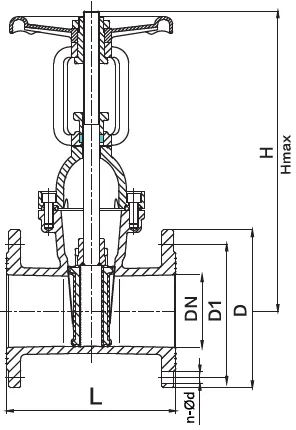
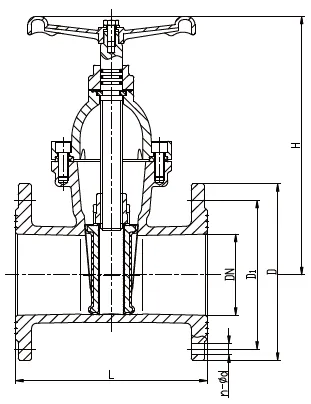
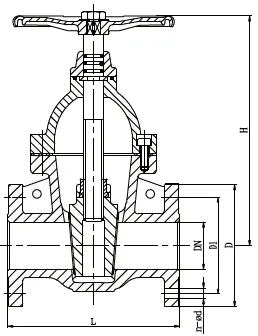
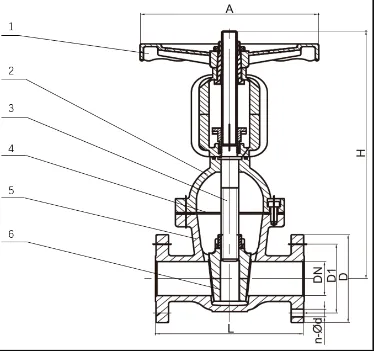
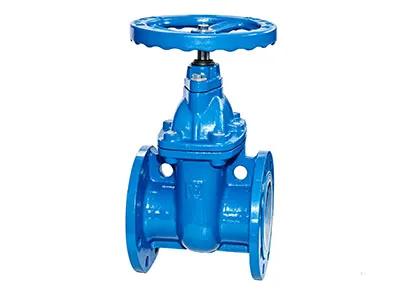
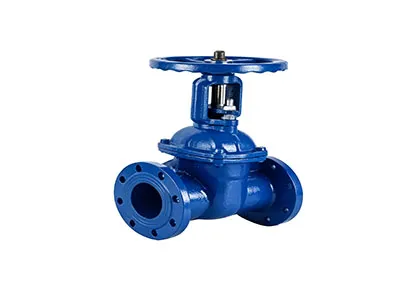
Rotating the handwheel or actuator drives the threaded stem vertically, pressing a gate, globe disc, or check mechanism against/away from the valve seat.
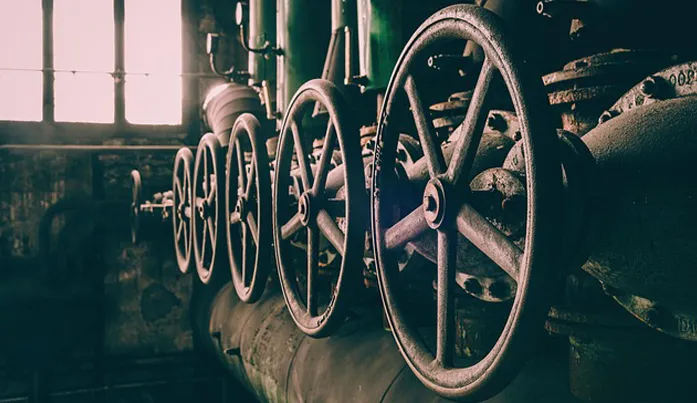
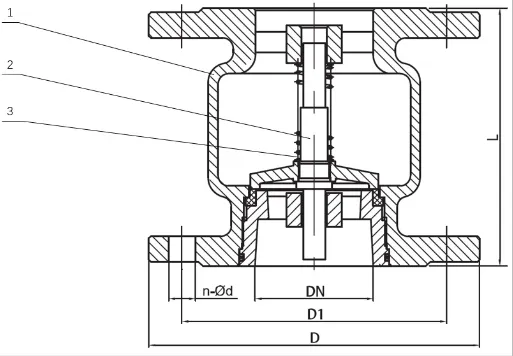
This linear motion either fully obstructs the flow path (gate/globe) or permits unidirectional flow (check valve).
Sealing effectiveness relies on metal-to-metal contact or resilient seat compression, with system pressure enhancing seal integrity by forcing the disc tighter against the seat in closed position.
Professional Valve Design Team for Your Personalized Needs
Email:
jkl@jtgroup.com.cnPhone:
+86 19975329386Address:
No.1 Chengxi Road, Cicheng, Ningbo, ChinaMAIL US YOUR MESSAGE
Natural Gas Market Information Morning Report (June 17, 2026)
Struggling to Read Water Supply & Drainage Drawings? One Simple Trick Will Make It All Click!
Natural Gas Market Information Morning Report (June 17, 2026)
Struggling to Read Water Supply & Drainage Drawings? One Simple Trick Will Make It All Click!
Common Pipe Fittings and Valve Symbols
Common Pipe Fittings and Valve Symbols