Core Mainline: The US-Iran signing is imminent in Geneva on the 19th, TTF has dropped 18% in four days to around 41 euros, the lowest since April; Citi has significantly lowered its gas price forecast...
13 Aug,2026

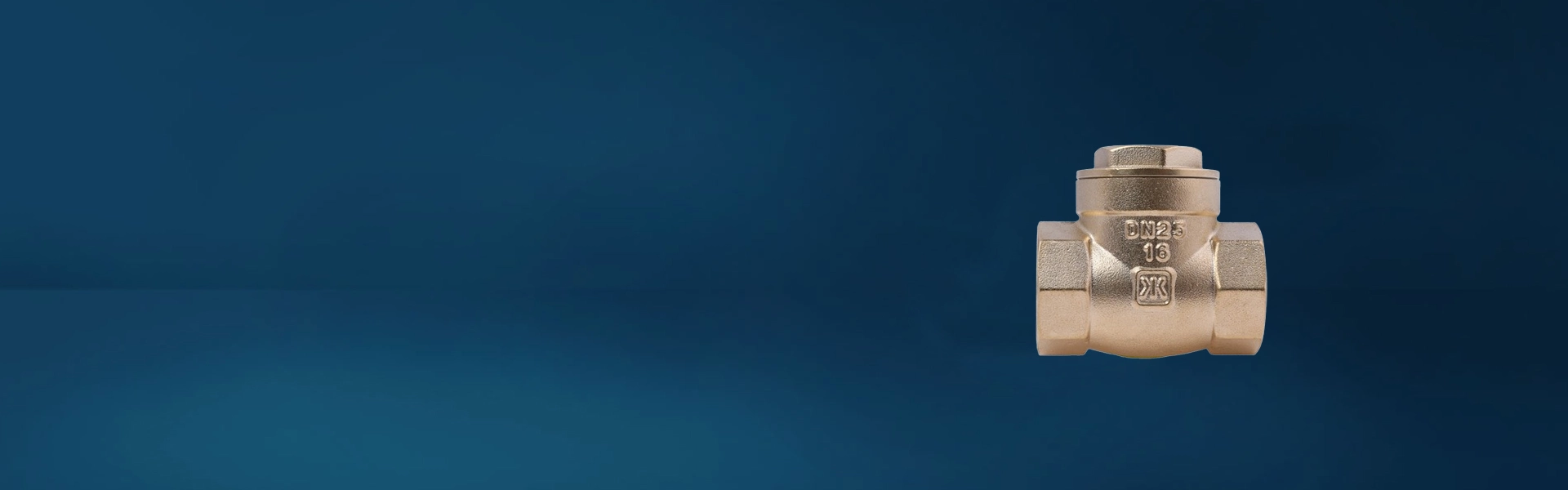
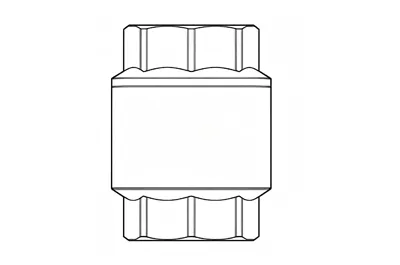
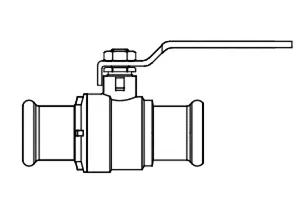
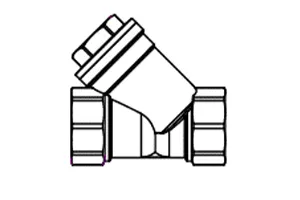
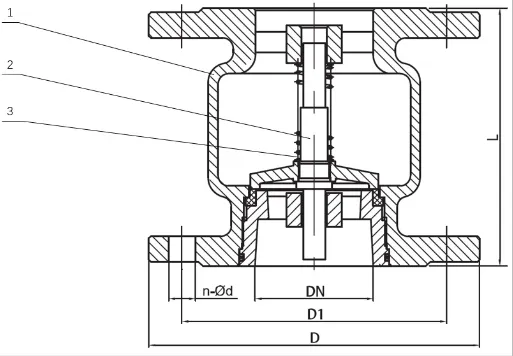
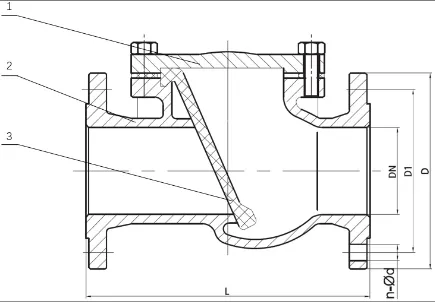
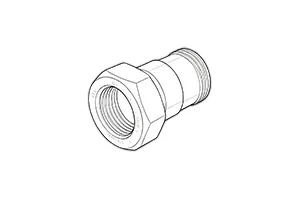
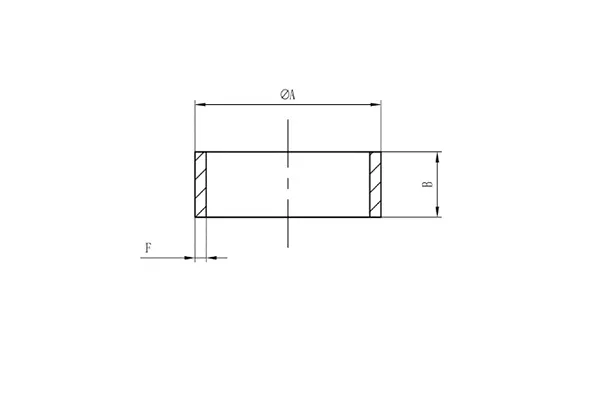
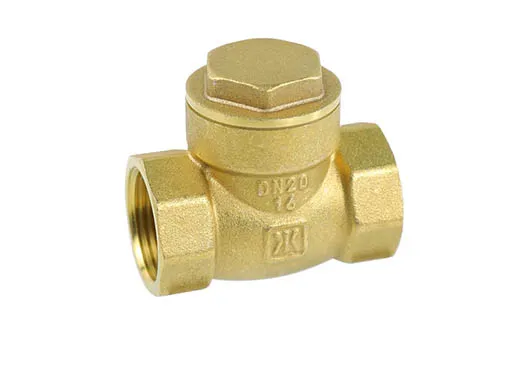
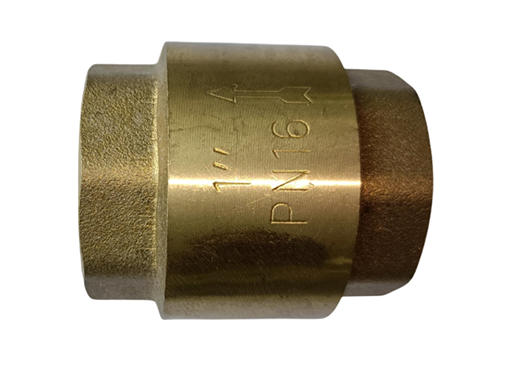
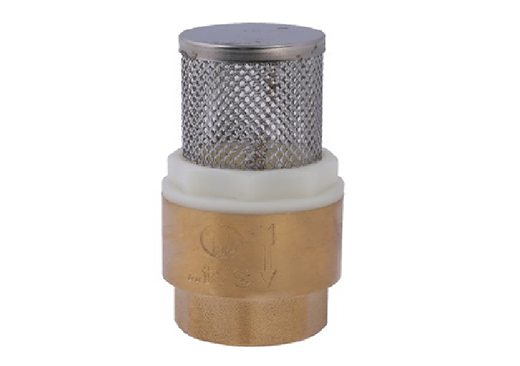
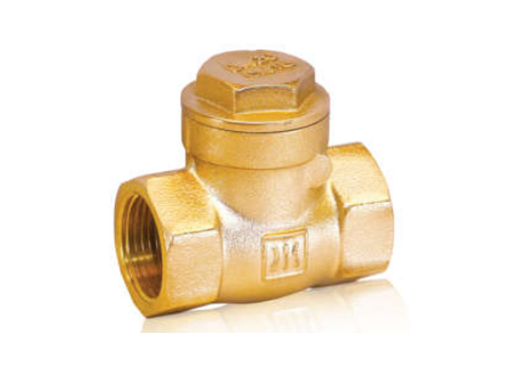
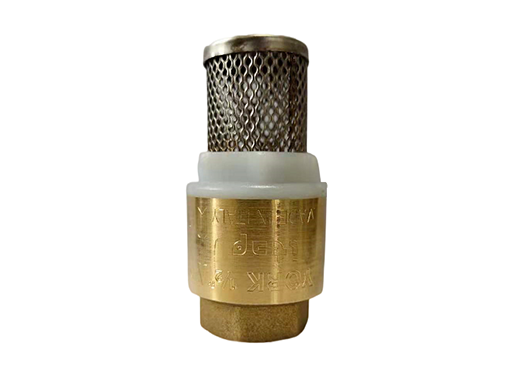
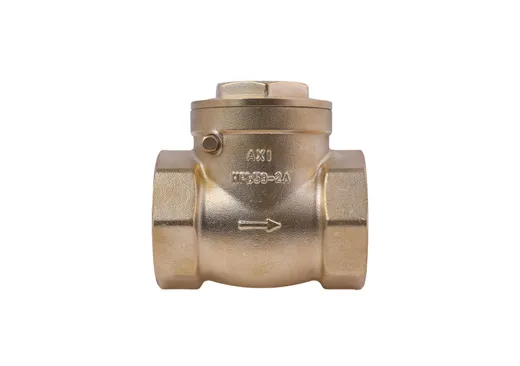
A brass check valve is a non-return valve used to allow flow in one direction and prevent reverse flow. It operates automatically without a handle. Common types include brass swing check valves, vertical check valves, spring check valves and check valves with filter. The right type depends on flow direction, installation position, pressure, media and backflow protection requirements.
Brass check valves are pivotal in many fluid systems, preventing backflow and maintaining steady, directional flow. Their non-return mechanism ensures that systems work efficiently, preventing potential damage and improving the lifespan of the equipment.
JKL, as a professional check valve factory, provides brass check valves primarily used to prevent reverse flow in fluid systems. Key applications include pump discharge lines, water heater inlets, boiler feed systems, and water supply mains. They play a critical role in protecting equipment and maintaining system integrity by ensuring unidirectional flow in pipelines.
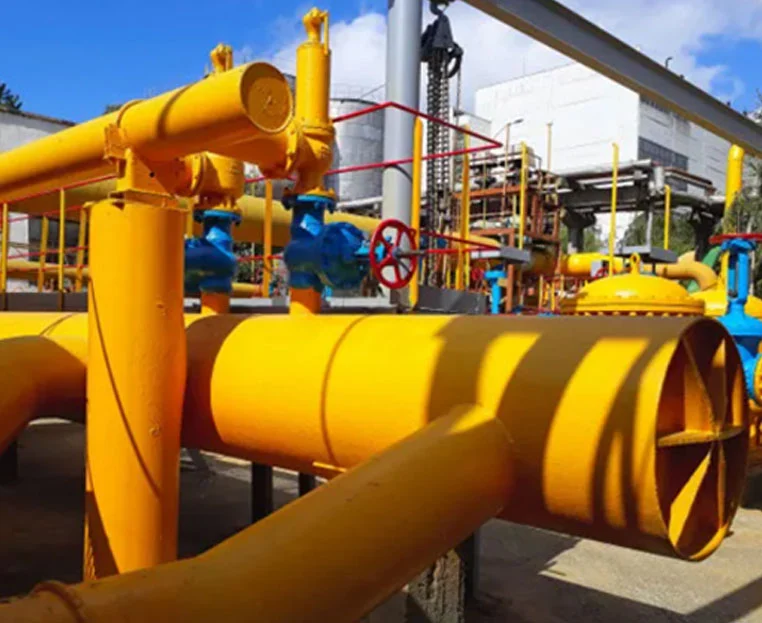

High-quality brass check valves are often forged check valves. Brass bars are heated until malleable and pressed or hammered into valve shapes using high-pressure machinery.
Casting: Alternatively, molten brass can be poured into molds (casting) to create the valve's body. This method allows for intricate designs but might require further machining.
CNC Machining: Computer Numerical Control (CNC) machines provide precision in shaping the brass check valve, ensuring accurate dimensions and threads.
Manual Adjustments: Even with the precision of machines, the human touch is sometimes necessary. Artisans might manually adjust or finish parts of the valve to ensure perfection.

Connect the brass check valve to pipe threads. Internal threads can be cylindrical/tapered pipe threads; external threads must be tapered pipe threads.

Always align with flow direction (marked by an arrow on the valve body). Installing backward prevents function. Avoid wrenching the body – grip only connection fittings.

Control external thread length. Over-tightening may deform the swing disc or seat, compromising seal integrity and blocking forward flow.
Proper eye, head and whole body protection, and protective clothing should always be utilized. The most important thing is to keep off the injury to the personnel and the damage to the equipment.
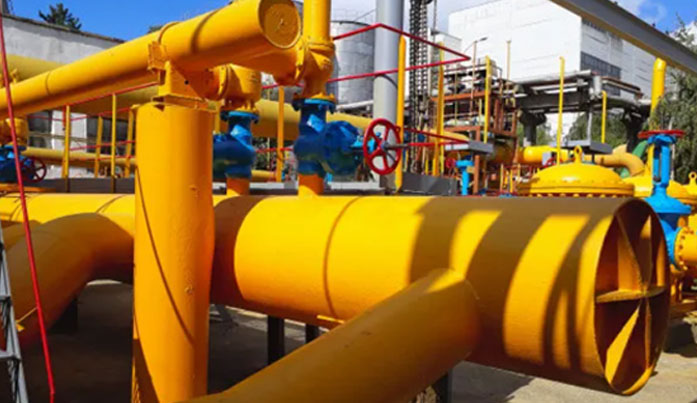
There is the possibility that the (dangerous) pressurized fluid or gas could be trapped in the cavity of the valve, make sure this is released safely by partly opening the brass check valve.
The valve body rating can be higher than the seat rating. Valve surface temperature may be come extremely hot or cold due to the ambient or operating conditions. Prevent any type of direct contact with the valve that may harm the workers.
Professional Valve Design Team for Your Personalized Needs
Email:
jkl@jtgroup.com.cnPhone:
+86 19975329386Address:
No.1 Chengxi Road, Cicheng, Ningbo, ChinaMAIL US YOUR MESSAGE
Natural Gas Market Information Morning Report (June 17, 2026)
Struggling to Read Water Supply & Drainage Drawings? One Simple Trick Will Make It All Click!
Natural Gas Market Information Morning Report (June 17, 2026)
Struggling to Read Water Supply & Drainage Drawings? One Simple Trick Will Make It All Click!
Common Pipe Fittings and Valve Symbols
Common Pipe Fittings and Valve Symbols