
When selecting a brass valve for water supply, plumbing, gas, heating or HVAC pipelines, two of the most common options are the brass ball valve and the brass gate valve. Both are shut-off valves, but they work differently and are suitable for different installation needs.
A brass ball valve is usually the better choice when you need fast shut-off, tight sealing and frequent operation. A brass gate valve is usually better when you need full-flow pipeline isolation, low flow restriction and slower opening or closing. The right choice depends on the application, operation frequency, pipeline size, pressure requirement, installation space and maintenance expectations.
Quick Answer: Gate Valve vs Ball Valve
| Question | Recommended Brass Valve |
|---|---|
| Need fast on/off control? | Brass ball valve |
| Need frequent operation? | Brass ball valve |
| Need full-flow pipeline isolation? | Brass gate valve |
| Need low pressure loss when fully open? | Brass gate valve |
| Need clear open/closed indication? | Brass ball valve |
| Need slower closing to reduce sudden shut-off impact? | Brass gate valve |
| Need a valve for common plumbing shut-off points? | Brass ball valve |
| Need isolation on main water supply lines? | Brass gate valve |
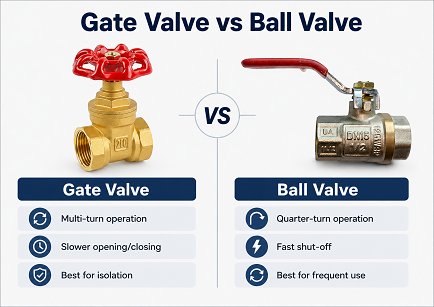
In simple terms: choose a brass ball valve for fast and reliable shut-off; choose a brass gate valve for full-flow isolation where the valve does not need to be opened and closed often.
What Is a Brass Ball Valve?
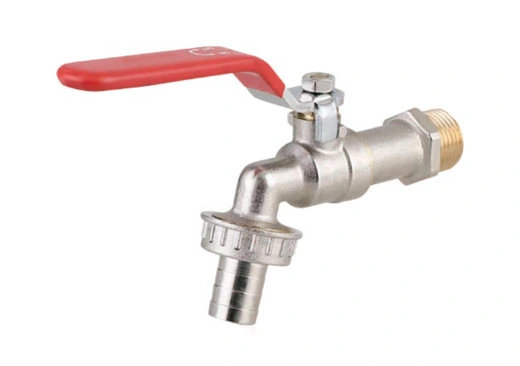
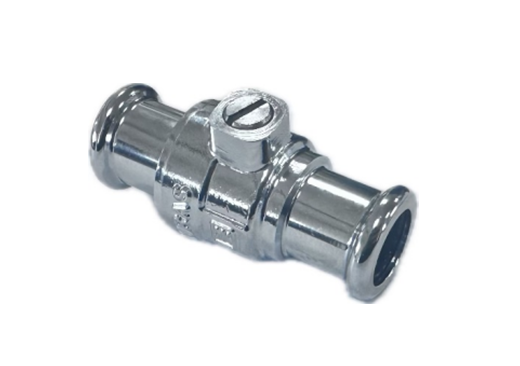
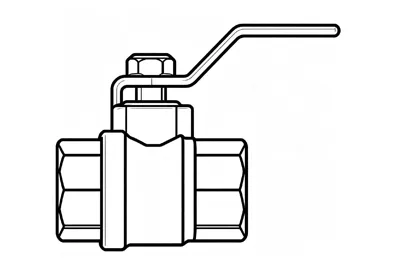
A brass ball valve uses a rotating ball with a hole through the center to control flow. When the handle is turned 90 degrees, the hole aligns with the pipeline and allows water, gas or heating fluid to pass through. When the handle is turned back, the solid side of the ball blocks the flow.
Because of this quarter-turn design, brass ball valves are easy to operate and quick to open or close. The handle position also makes the valve status easy to identify: parallel to the pipe usually means open, while perpendicular to the pipe usually means closed.
Brass ball valves are commonly used in:
Water supply pipelines
Gas systems
Heating and HVAC systems
Plumbing fixtures
Water meter connections
Appliances and branch pipelines
Maintenance shut-off points
For many modern plumbing and HVAC installations, the brass ball valve is preferred because it is fast, compact and reliable for repeated shut-off operation.
Explore JKL's brass ball valves for water, gas, plumbing and HVAC applications.
What Is a Brass Gate Valve?
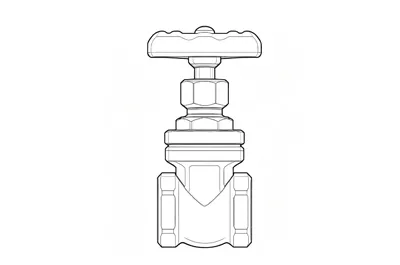
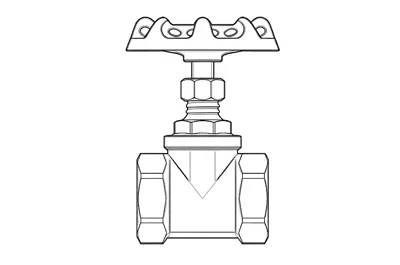
A brass gate valve uses a gate or wedge inside the valve body to open or close the flow path. The handwheel turns the stem, and the gate moves up or down. When fully open, the gate is lifted out of the flow path. When fully closed, the gate blocks the pipeline.
Unlike a ball valve, a gate valve is a multi-turn valve. It takes several turns of the handwheel to open or close fully. This makes operation slower, but it can be useful in systems where sudden shut-off should be avoided.
Brass gate valves are commonly used in:
Main water supply lines
Plumbing isolation points
Heating pipelines
Low-frequency shut-off positions
Systems requiring a straight-through flow path
Installations where full opening and full closing are preferred
A brass gate valve is not usually selected for frequent daily operation. It is better for isolation service, especially where the valve remains fully open or fully closed for long periods.
View JKL's brass gate valve options for water supply, heating and plumbing systems.
Brass Gate Valve vs Brass Ball Valve: Key Differences
| Comparison Point | Brass Ball Valve | Brass Gate Valve |
|---|---|---|
| Operation method | Quarter-turn handle | Multi-turn handwheel |
| Opening speed | Very fast | Slower |
| Best use | Quick shut-off | Pipeline isolation |
| Flow path | Through a rotating ball bore | Straight-through when fully open |
| Operation frequency | Good for frequent operation | Better for infrequent operation |
| Sealing performance | Strong shut-off sealing | Good isolation when fully closed |
| Visual status | Easy to see from handle position | Less obvious from handwheel position |
| Sudden closure risk | Higher if closed too quickly | Lower because of slower operation |
| Installation space | Needs handle rotation space | Needs handwheel access space |
| Common brass valve use | Plumbing, gas, HVAC, water meters | Water supply, heating, branch isolation |
When Should You Use a Brass Ball Valve?
You should choose a brass ball valve when the system requires fast shut-off, tight sealing and simple operation.
1. Frequent Shut-Off Points
Brass ball valves are suitable for locations where users may need to open or close the valve often, such as maintenance points, branch lines, appliances or equipment connections.
2. Water and Plumbing Systems
In residential and commercial plumbing, brass ball valves are commonly used for water shut-off because they are easy to operate and provide reliable sealing.
3. Gas Applications
Selected brass ball valves can be used for gas systems when the valve design, sealing structure, thread standard and pressure rating are suitable for gas service. For gas projects, buyers should always confirm local standards and application requirements before ordering.
4. HVAC and Heating Lines
In HVAC systems, brass ball valves are often used for isolation, maintenance and service access. Their fast operation makes them convenient for contractors and installers.
5. Systems Requiring Clear Open/Closed Status
The handle position of a ball valve gives a quick visual indication of whether the valve is open or closed. This is useful for maintenance teams, installers and inspection teams.
When Should You Use a Brass Gate Valve?
You should choose a brass gate valve when the system requires full-flow isolation, lower flow restriction and slower operation.
1. Main Water Supply Isolation
Brass gate valves are often used in water supply lines where the valve stays fully open most of the time and is closed only during maintenance or repair.
2. Larger Pipeline Sections
For larger water lines or system isolation points, a gate valve can be suitable because the flow path is relatively straight when the valve is fully open.
3. Systems Sensitive to Sudden Shut-Off
Because a gate valve opens and closes more slowly than a ball valve, it can help reduce the risk of sudden pressure shock caused by fast valve closure.
4. Infrequent Operation
A brass gate valve is best used in positions where the valve does not need to be operated every day. It is designed mainly for full-open or full-close service, not for frequent throttling.
Common Mistakes When Choosing Brass Gate Valves and Ball Valves
Mistake 1: Choosing a gate valve for frequent operation
A brass gate valve is not the best option when a valve needs to be opened and closed often. A brass ball valve is usually more convenient for frequent shut-off.
Mistake 2: Using a ball valve where slow closing is required
A ball valve closes very quickly. In some water systems, sudden closure may increase the risk of pressure shock or water hammer. If slow operation is preferred, a gate valve may be more suitable.
Mistake 3: Ignoring handle or handwheel space
A ball valve needs enough space for handle rotation. A gate valve needs space for handwheel access. Installation space should be checked before ordering.
Mistake 4: Treating all brass valves as the same
Different brass valves may vary in body design, sealing material, thread accuracy, pressure rating, surface finish and testing process. Buyers should compare specifications, not only product names.
Mistake 5: Not confirming standards and testing requirements
For potable water or building applications, buyers may need to confirm applicable valve standards, material requirements, marking rules and performance testing. For example, EN 13828 covers manually operated copper alloy ball valves for potable water supply in buildings, while EN 12288 covers copper alloy gate valves and related performance, testing and marking requirements.
Gate Valve vs Ball Valve: Which One Is Better?
There is no single better option for every system.
A brass ball valve is better when the buyer needs fast shut-off, easy operation, tight sealing and frequent use. It is a strong choice for plumbing lines, water meters, gas shut-off, HVAC service points and equipment connections.
A brass gate valve is better when the buyer needs full-flow isolation, low flow restriction and slower operation. It is commonly selected for water supply lines, heating pipelines and isolation points where the valve remains fully open or fully closed most of the time.
For most plumbing and HVAC projects, brass ball valves and brass gate valves are complementary products. The best solution is often to use both valve types in different parts of the system.
Why Choose JKL Valves for Brass Ball Valves and Brass Gate Valves?
JKL Valves, as a professional brass valve manufacturer, supplies brass valves for water supply, gas, plumbing, heating and HVAC applications. Our brass valve product range includes brass ball valves, brass gate valves, brass check valves, brass stop valves and other pipeline control products.
For buyers, distributors and project contractors, JKL Valves can support:
Brass valve wholesale supply
OEM packaging and marking
Multiple valve types and sizes
Project-based valve selection
Stable brass valve manufacturing
Quality inspection before shipment
Technical communication for water, gas and HVAC applications
If you are comparing brass gate valves vs brass ball valves for a project, send us your application, pipe size, connection type, pressure requirement and order quantity. Our team can recommend a suitable brass valve solution.
Need brass ball valves or brass gate valves for your project? Contact JKL Valves to request a quote or get a brass valve catalog.
FAQ: Gate Valve vs Ball Valve
1. What is the main difference between a gate valve and a ball valve?
The main difference is the shut-off mechanism. A brass ball valve uses a rotating ball and opens or closes with a 90-degree handle turn. A brass gate valve uses a gate that moves up and down through a multi-turn handwheel. Ball valves are faster to operate, while gate valves are better for full-flow isolation.
2. Which is better, a brass gate valve or a brass ball valve?
A brass ball valve is better for quick shut-off, frequent operation and clear open/closed indication. A brass gate valve is better for pipeline isolation, low flow restriction and applications where the valve stays fully open or fully closed most of the time. The better choice depends on the system design.
3. Can I replace a gate valve with a ball valve?
In many plumbing shut-off applications, a brass gate valve can be replaced with a brass ball valve if the size, connection type, pressure rating and application media are suitable. However, for main line isolation or systems where slow closing is preferred, a brass gate valve may still be a better choice.
4. Are brass ball valves good for water lines?
Yes. Brass ball valves are widely used for water lines because they are durable, easy to operate and reliable for shut-off service. They are commonly installed on branch pipelines, water meters, plumbing fixtures, HVAC equipment and maintenance points.
5. Are brass gate valves good for water supply systems?
Yes. Brass gate valves are commonly used for water supply isolation where the valve remains fully open during normal operation and is closed mainly for maintenance. They are suitable for full-open or full-close service, especially where low flow restriction is preferred.
6. Why are ball valves often preferred in modern plumbing?
Ball valves are often preferred because they open and close quickly, provide good shut-off sealing and show valve status clearly through the handle position. For installers and maintenance teams, a brass ball valve is usually easier and faster to operate than a multi-turn gate valve.
7. Can a brass gate valve control flow?
A brass gate valve can be partially opened, but it is not ideal for regular flow control. Long-term partial opening may cause vibration, wear and unstable flow. For best performance, a brass gate valve should normally be used fully open or fully closed.
8. What information should I provide when buying brass ball valves or brass gate valves?
You should provide valve type, size, connection standard, application media, pressure rating, temperature range, surface finish, quantity and packaging requirements. For OEM orders, also provide logo marking, target market and certification requirements.
Other Brass Valves from JKL Brass Valve