I. Manganese Brass
II. Iron Brass
III. Silicon Brass
IV: Nickel Brass
Characteristics and Uses: High corrosion resistance and anti-friction properties, good mechanical properties, excellent pressure processing performance in both cold and hot states, relatively stable against dezincification and seasonal cracking, and low thermal and electrical conductivity. Due to the high price of nickel, HNi65-5 is generally not widely used. It is used in pressure gauge tubes, papermaking mesh, marine condenser tubes, etc., and can be used as a substitute for tin-phosphor bronze and German silver.
ⅤTin Bronze
1. Grade: QSn4-3
Characteristics and Uses: A zinc-containing tin bronze. It has high wear resistance and elasticity, good antimagnetic properties, and can withstand hot or cold pressure processing well. In the hard state, it has good machinability, is easy to weld and braze, and has good corrosion resistance in air, fresh water, and seawater. Used for springs (flat springs, round springs) and other elastic elements, corrosion-resistant parts in chemical equipment, wear-resistant parts (such as bushings, discs, bearings, etc.), and antimagnetic parts; also used for doctor blades in the paper industry.
2. Grade: QSn4-4-2.5/QSn4-4-4
Characteristics and Uses: A tin bronze with added zinc and lead alloying elements. It has high anti-friction properties and good machinability, is easy to weld and braze, and has good corrosion resistance in air and fresh water. It can only be pressure processed in the cold state; due to the lead content, it is prone to hot brittleness during hot working. Used for bearings, rolled bushings, bushings, discs, and inner gaskets of bushings operating under friction conditions. QSn4-4-4 has a working temperature up to 300°C and is a tin bronze with good heat resistance.
3. Grade: QSn6.5-0.1
Characteristics and Applications: Tin bronze. It has high strength, elasticity, wear resistance, and antimagnetism. It has good pressure workability in both hot and cold states, high flame resistance to electrical sparks, is weldable and brazable, has good machinability, and is corrosion resistant in air and fresh water. It is used for springs and highly conductive spring contacts, wear-resistant parts and antimagnetic parts in precision instruments, such as gears, brush holders, vibrating plates, and contactors.
4. Grade: QSn6.5-0.4
Characteristics and Uses: Tin bronze. Similar in performance and uses to QSn6.5-0.1. Due to its higher phosphorus content, it has a higher fatigue limit, better elasticity and wear resistance, but exhibits hot brittleness during hot working and can only be processed under cold pressure. Besides springs and wear-resistant parts, it is mainly used in the paper industry to make wear-resistant copper mesh and parts operating under conditions of unit load less than 1000 N/cm² and circumferential speed less than 3 m/s.
5. Grade: QSn7-0.2
Characteristics and Uses: Tin bronze. High strength, good elasticity and wear resistance, easy to weld and braze, good corrosion resistance in air, fresh water, and seawater, good machinability, suitable for hot pressing. Used for parts subjected to friction under medium loads and medium sliding speeds, such as wear-resistant washers, bearings, bushings, worm gears, etc., and can also be used for springs, leaf springs, etc.
6. Grade: QSn4-0.3
Characteristics and Uses: Tin bronze. It possesses high mechanical properties, corrosion resistance, and elasticity, and can withstand pressure processing well in a cold state, while also being suitable for pressure processing in a hot state. It is mainly used for tubing of various sizes for pressure gauge springs.
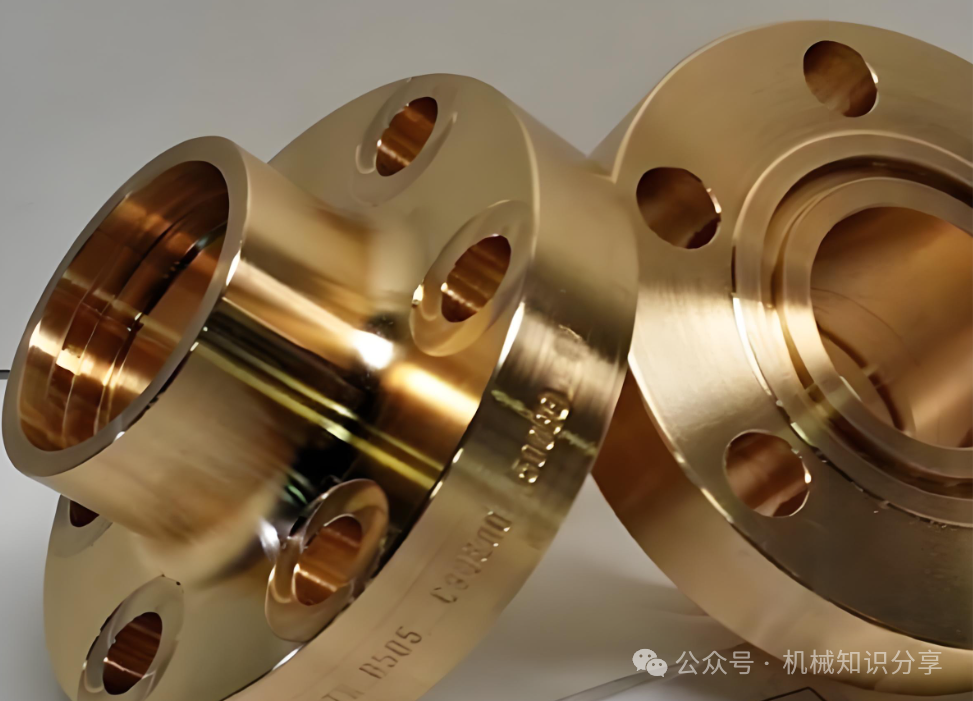
Other Brass Valves from JKL Brass Valve