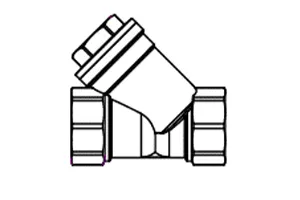
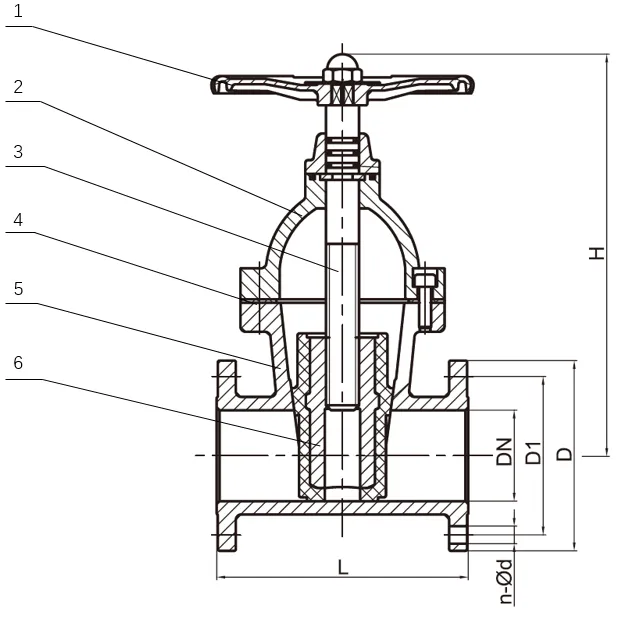
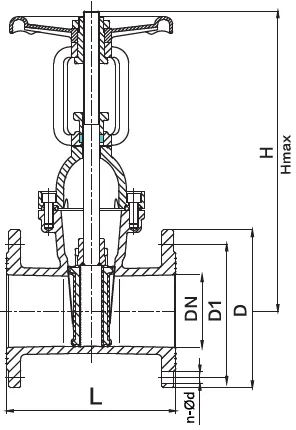
When working as a piping personnel, it is essential to pay attention to some valve installation methods and piping requirements. Recently, during a drawing review, it was found that some personnel installed these randomly, without understanding or asking about the type of valve, excluding check valves, and also the previously issuedIncorrect piping, valve wasted! Self-operated valve piping guide Take a few minutes to read the article or books, some of them have introductions. Even if you don't know how to install next time, having an impression in your mind allows you to look it up by yourself, otherwise, your mind will be blank and you'll have no impression. Starting from scratch will lead to mistakes. Piping is simple but requires careful attention. Piping tests the collection of a bit of detailed knowledge and your planning. Some people's piping looks very neat and nice, while others look messy. (Some people's homes are very tidy, while others are messy.) It examines the layout and planning of the designer and the small details. This small article, if useful, please share with those who need it.
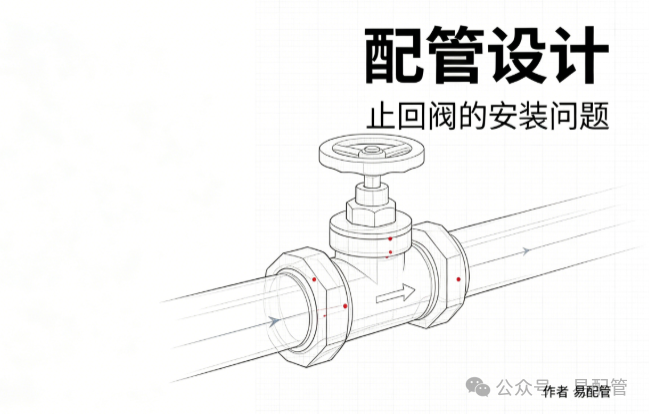
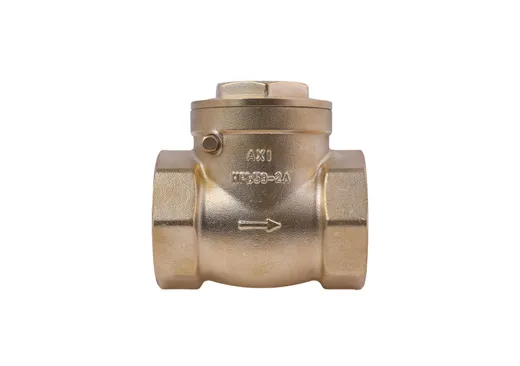
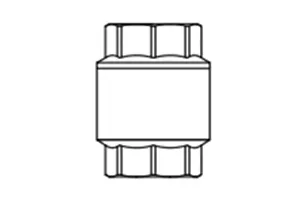
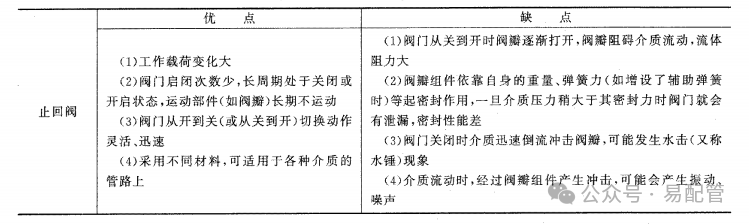
The main function of the check valve is to prevent mediumdiversion, prevent pump and its drive device reverse rotation, and medium leakage in the container. It only allows the medium to flowin one direction. When the medium flows downstream, the valve disc opens automatically. When the medium flows backward, it can automatically close. During installation, pay attention to theflow direction of the medium, which should be consistent with the arrow direction on the check valve. For scenarios that require automatic prevention of medium backflow, a check valve should be used.
When a check valve closes, it can produce water hammer pressure in the pipeline, which in severe cases can cause damage to valves, pipelines, or equipment, especially for large-diameter pipelines or high-pressure pipelines. Therefore, it should receive high attention from check valve users.
Scope of application for check valves
a. To prevent medium backflow, check valves should be installed on equipment, devices, and pipelines. Check valves are generally suitable for clean media and should not be used for media containing solids and high viscosity.
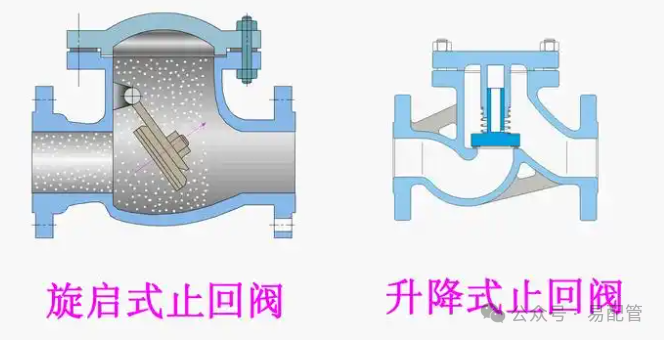
b. When the nominal size is less than or equal to DN40, it is advisable to uselift-type check valves, which are only allowed to be installed in horizontal pipelines;
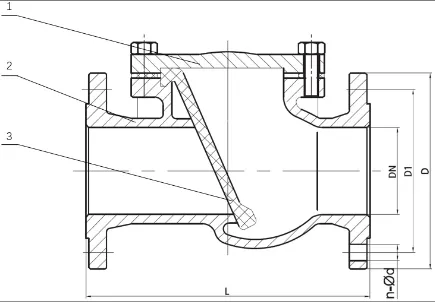
For nominal sizes DN50~DN400, swing check valves are recommended, which are not allowed to be installed in vertical pipelines with medium flowing from top to bottom;
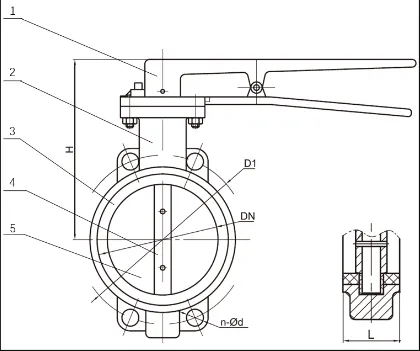
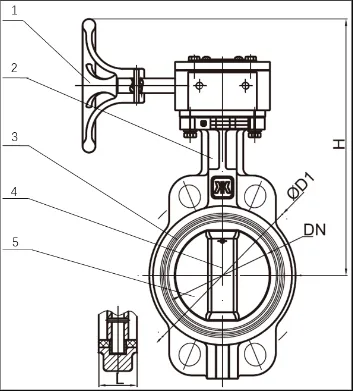
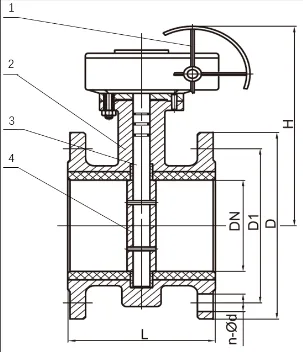
For nominal sizes greater than or equal to DN450, buffering type (Tilting-Disc) check valves should be selected. For nominal sizes DN100~DN400, wafer check valves can also be used, which have no installation position restrictions.
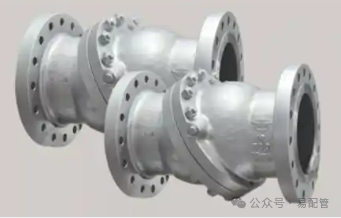
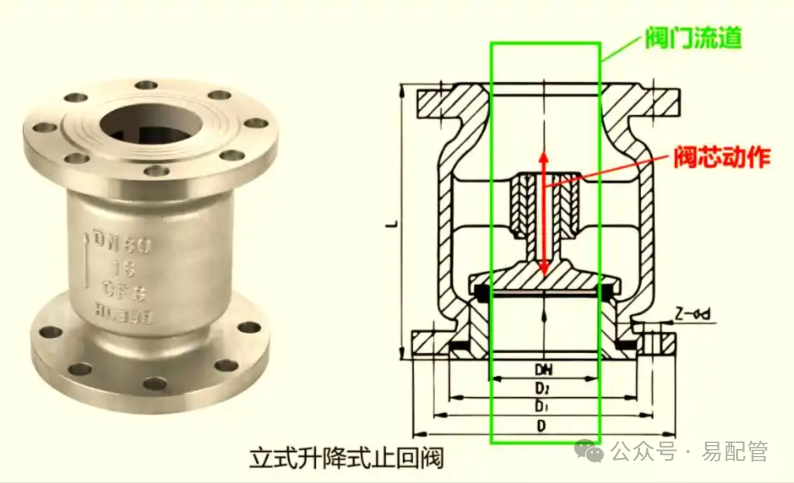
c. Generally, in horizontal pipelines with a diameter of less than or equal to 50mm, vertical lift check valves should be selected.
d. Swing check valves should not be made into small-caliber valves, but they can be made with very high working pressure, with a nominal pressure of up to 42MPa. Moreover, DN can also be made very large, up to over 2000mm. Depending on the material of the shell and seal, it is suitable for any working medium and any working temperature range. The medium includes water, steam, gas, corrosive media, oil, pharmaceuticals, etc. The temperature range is between -196~800°C.
e.Butterfly check valves can be installed in any position and can be installed on horizontal pipelines, as well as on vertical or inclined pipelines.
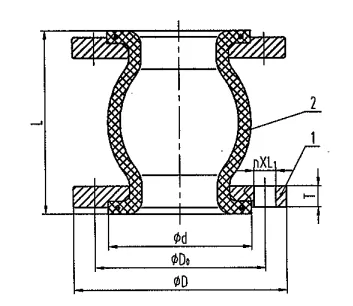
f.Diaphragm check valves are suitable for pipelines prone to water hammer. The diaphragm can effectively eliminate water hammer caused by medium backflow and is generally used in low-pressure normal temperature pipelines. It is particularly suitable for water supply pipelines, with the general medium working temperature between -20~120°C and working pressure less than 1.6MPa, and the nominal size of diaphragm check valves can reach up to DN2000.
g.Ball check valves can be made into large diameters. The housing of the ball check valve can be made of stainless steel, and the sealing element's hollow ball can be covered with PTFE engineering material, which can also be applied in pipelines of general corrosive media. The working temperature is between -101~150°C, with a nominal pressure of less than or equal to 4.0MPa and a nominal diameter between DN200~DN1200.
h.For medium and high-pressure check valves below DN50, vertical lift check valves and straight-through lift check valves are recommended.
i. For low-pressure check valves below DN50, butterfly check valves, vertical lift check valves, and diaphragm check valves are recommended.
j. For medium and high-pressure check valves with nominal sizes greater than DN50 and less than DN600, swing check valves are recommended.
k. For medium and low-pressure check valves with nominal sizes greater than DN200 and less than DN1200, wear-free ball check valves are recommended.
I. For low-pressure check valves with nominal sizes greater than DN50 and less than DN2000, butterfly check valves and diaphragm check valves are recommended.
m. For pipelines requiring minimal or no water hammer impact during closure, slow-closing swing check valves and slow-closing butterfly check valves are recommended.
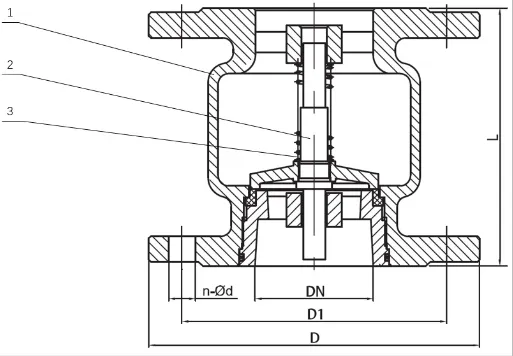
Lift check valves should be installed in horizontal pipelines, while vertical lift check valves can be installed in vertical pipelines where the medium flows from bottom to top.
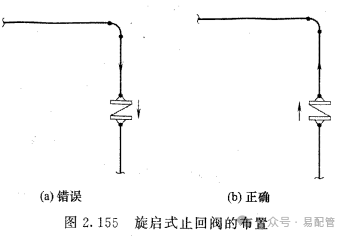
 Swing check valves should preferably be installed in horizontal pipelines, but can also be installed in vertical pipelines where the medium flows from bottom to top.
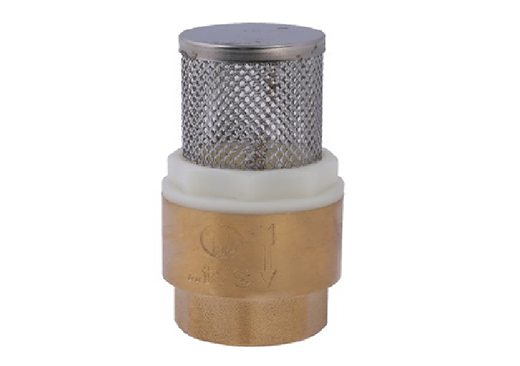
For water pump inlet pipelines, foot valves are recommended. Foot valves are generally only installed on vertical pipelines at the pump inlet, with the medium flowing from bottom to top.
To reduce the installation height of the pump outlet cut-off valve, butterfly check valves can be selected. When the pump outlet diameter does not match the connected pipeline, a reducer check valve can be selected.
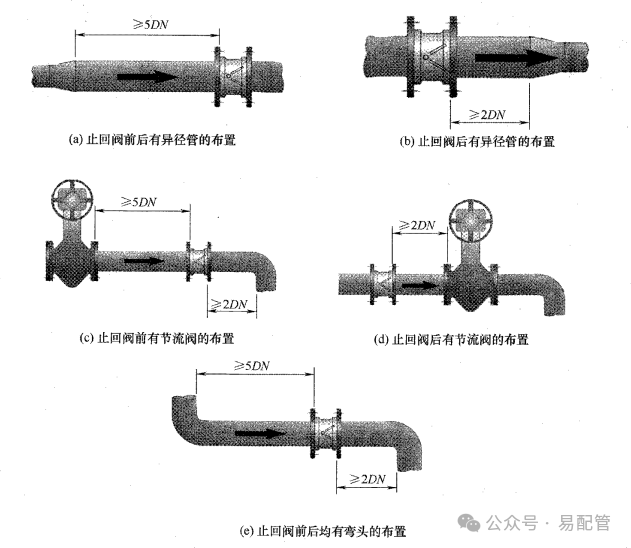
When the nominal diameter is greater than or equal to DN80, it is not advisable to arrange pipeline fittings (such as elbows, reducers, tees, etc.) within at least 5DN upstream and at least 2DN downstream of the check valve to prevent turbulence or blockage flow from affecting the movement of the check valve disc and causing excessive wear. Similar requirements are found in standards such as PIP PNE00001, MSS-SP-92, and API 615. The distance requirement can be disregarded in intermittent flow pipelines and skid-mounted designs.
Other Brass Valves from JKL Brass Valve