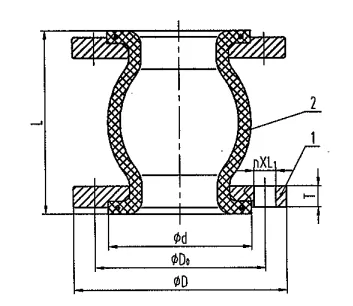
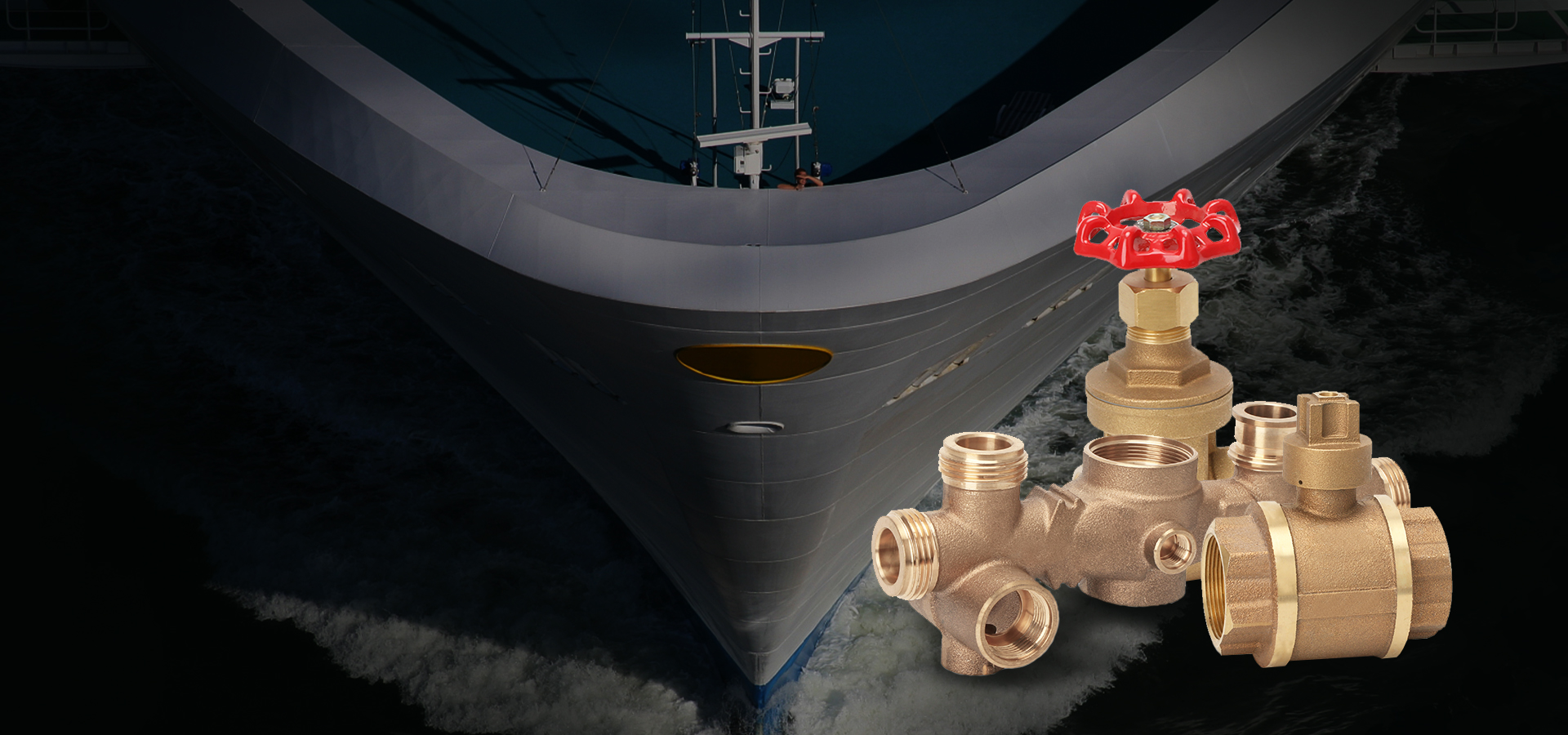
I. Summary of Common Valves and Their Functions
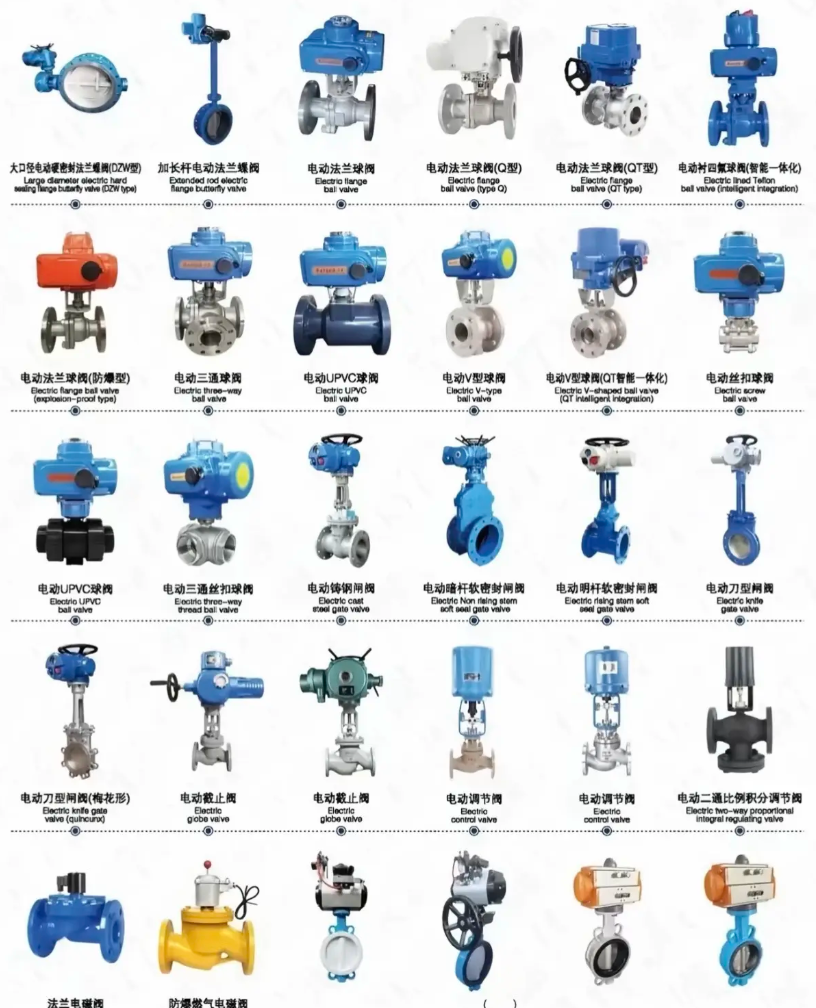
Valves are control components used in fluid piping systems. Their main functions include isolating equipment and piping systems, regulating flow, preventing backflow, regulating pressure, and relieving pressure. They can be used to control the flow of various fluids, including air, water, steam, corrosive media, and petroleum products.
(I) Common Valves Classified by Function
According to their functions, valves can generally be classified into shut-off valves, check valves, regulating valves, safety valves, distribution valves, and special-purpose valves.
1. Shut-Off Valves
Shut-off valves are mainly used to connect or cut off the flow of media in pipelines and are the most widely used type of valve in piping systems.
Main types include:
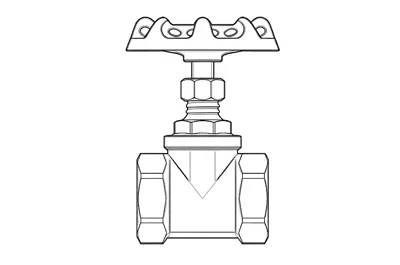
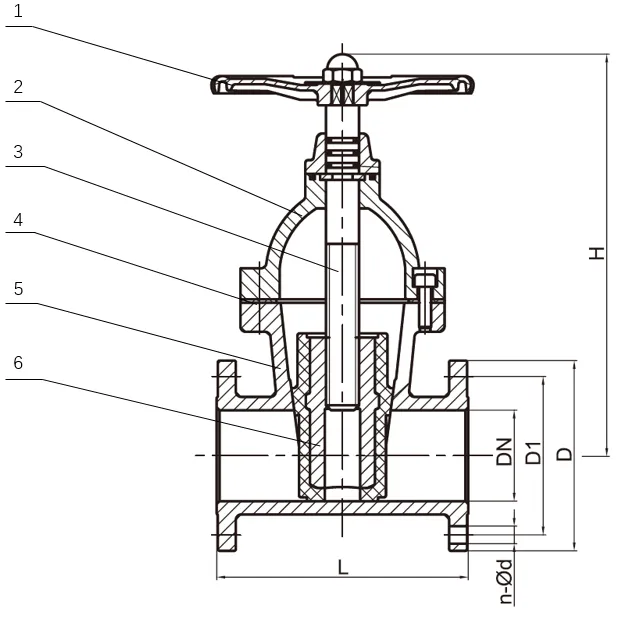
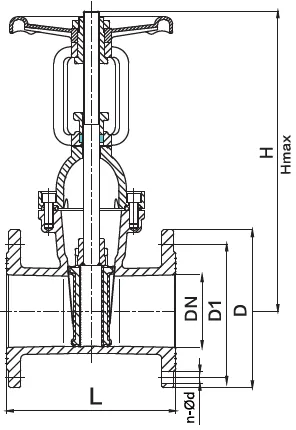
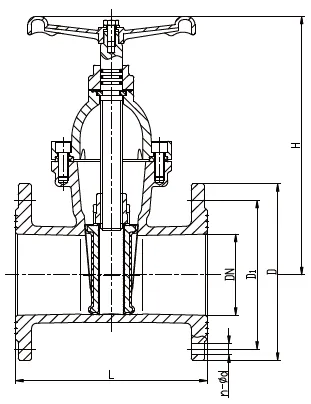
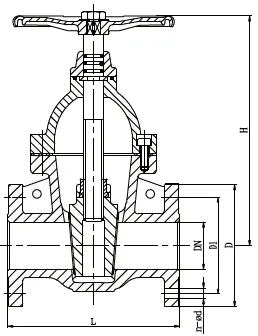
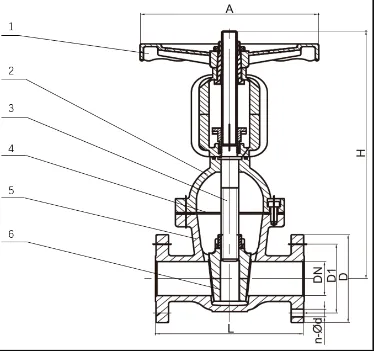
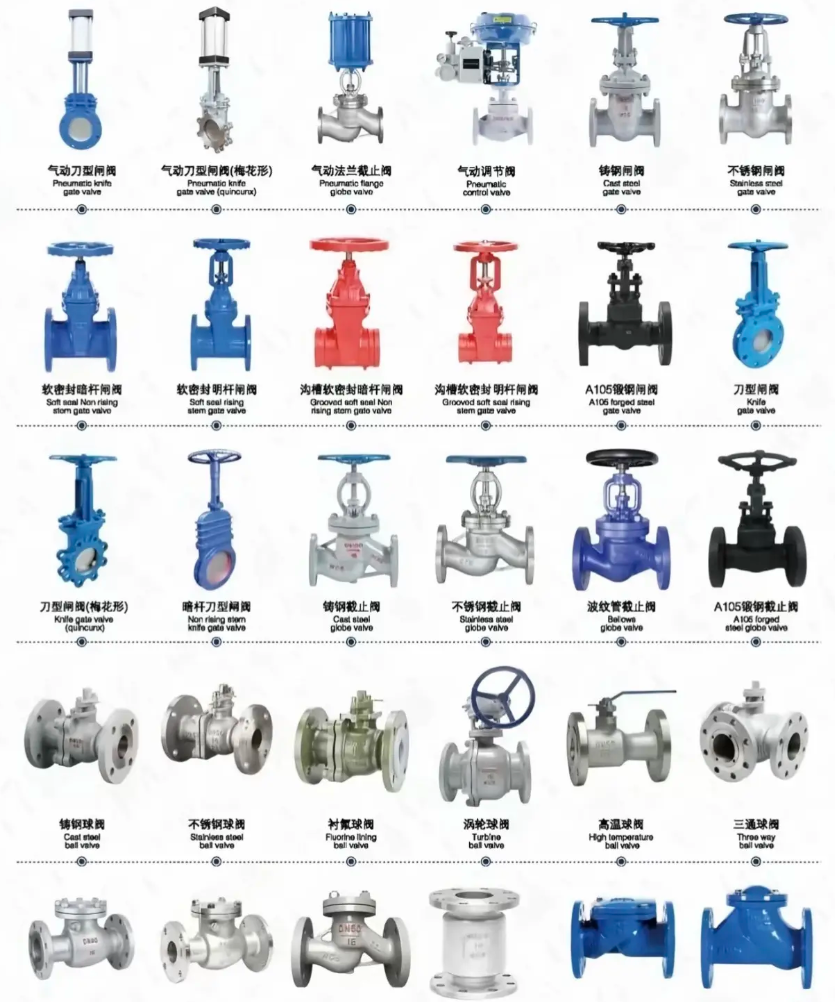
Gate Valve:
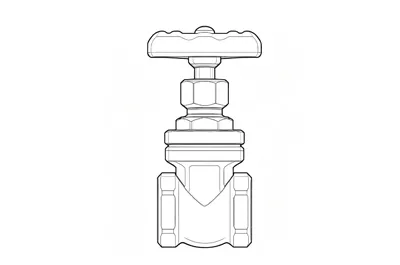
When fully open, the fluid passes through in a straight line, resulting in low flow resistance. Gate valves are suitable for pipelines with diameters greater than 50 mm. However, under high-pressure conditions or when handling media containing impurities, the sealing surfaces are susceptible to erosion.
In petroleum pipelines, gate valves are suitable for high-pressure and large-diameter pipelines, such as oilfield gathering and transmission trunk lines and water injection trunk lines. Forged steel gate valves, which can withstand high pressure, or sour-service gate valves containing Cr and Mo are generally used to prevent stress corrosion cracking in H₂S-containing environments.
Globe Valve:
Globe valves provide tight shut-off but have relatively high flow resistance and are generally suitable only for pipelines with diameters below 50 mm.
In petroleum pipelines, globe valves offer good sealing performance and relatively high regulating accuracy. They are suitable for medium- to high-pressure and low-flow applications. They are commonly used in oilfield wellhead equipment, such as Christmas trees and wellhead valve assemblies, to control the production flow of crude oil and natural gas from individual wells, as well as in branch pipelines at metering stations and gathering and transmission stations.
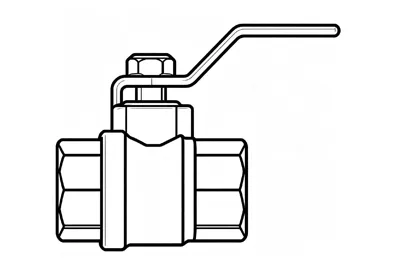
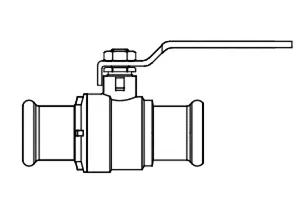
Ball Valve:
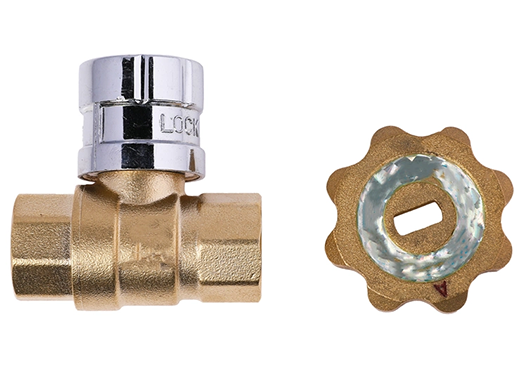
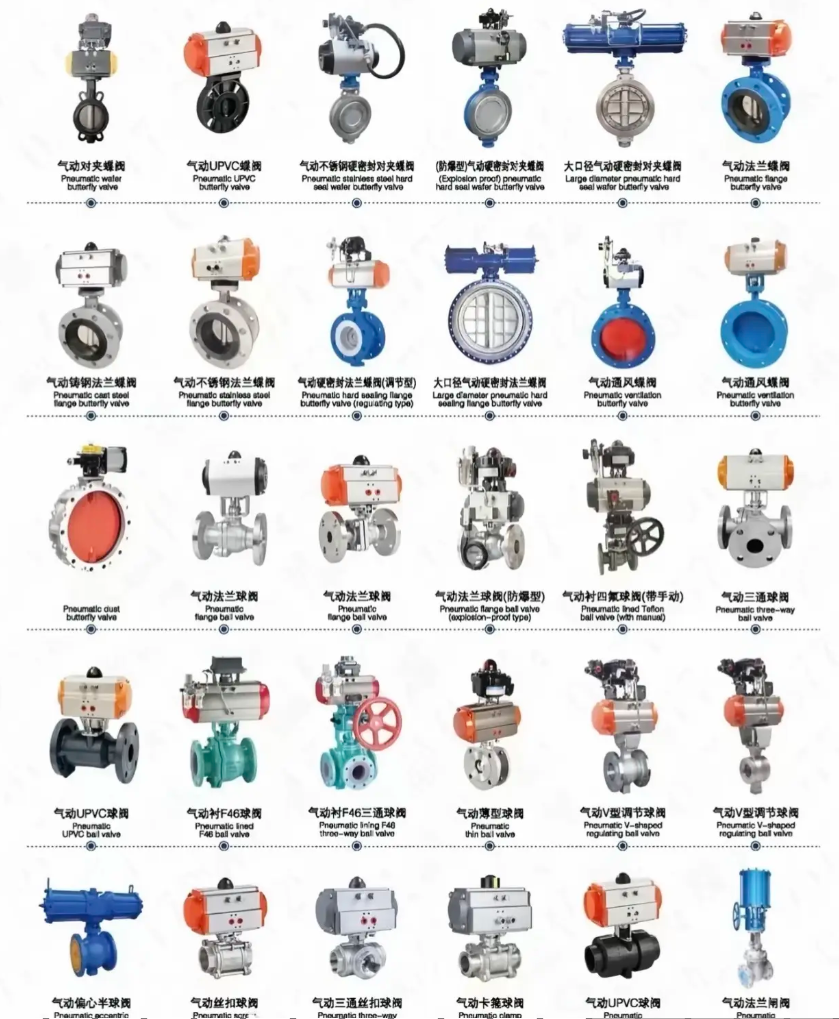
The closure member, or ball, is driven by the valve stem and rotates around the valve axis. Ball valves can be opened or closed rapidly by a 90° rotation. They provide reliable sealing and strong erosion resistance and are suitable for media containing solid particles.
Ball valves are widely used in petroleum pipelines. They are suitable for pipelines transporting sand-bearing crude oil and waxy crude oil, as well as high-pressure natural gas pipelines. Fully welded ball valves can reduce the risk of leakage. Ball valves are also suitable for applications requiring frequent operation, such as wellhead blowdown valves and emergency shut-off valves.
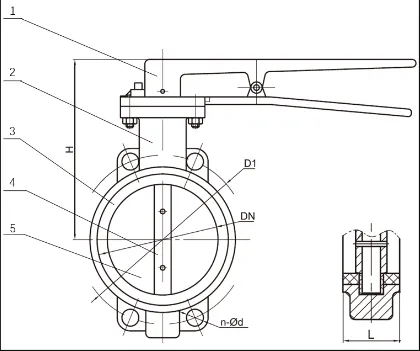
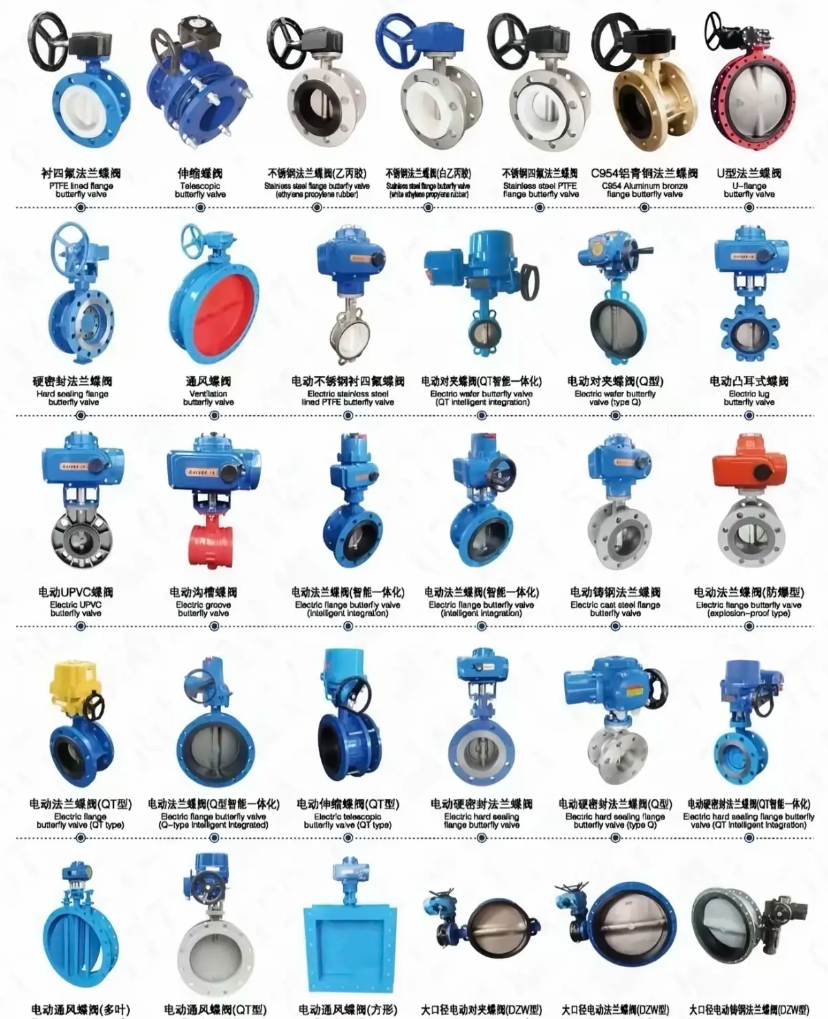
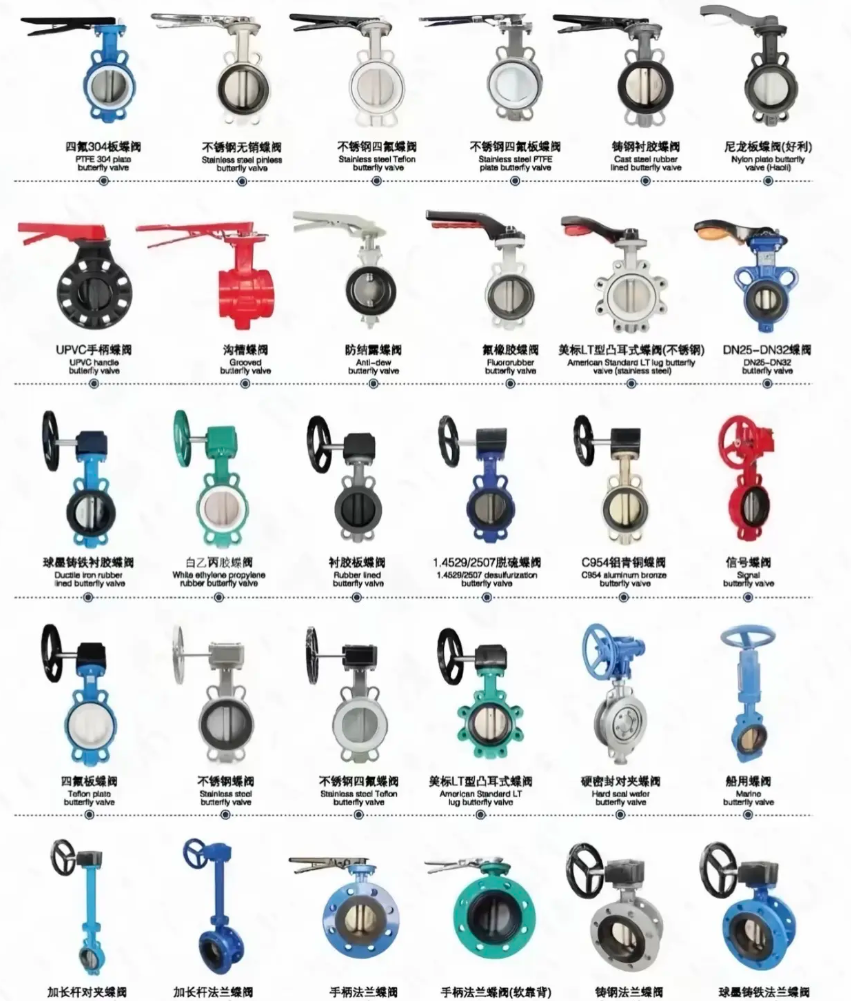
Butterfly Valve:
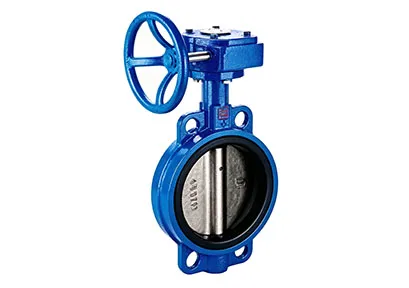
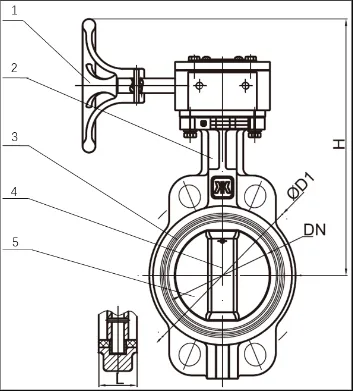
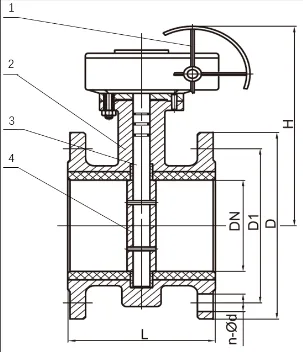
The valve disc rotates within a range of 90° to perform regulating, throttling, and shut-off functions. Butterfly valves feature low operating torque, convenient opening and closing, compact construction, and small overall dimensions.
Plug Valve:
The plug-shaped closure member rotates by 90° so that the passage in the plug aligns with or separates from the passage in the valve body, thereby opening or closing the valve.
2. Check Valves
Check valves are used to automatically prevent reverse flow of the medium and protect equipment from damage caused by reverse-pressure impact.
Main types include:
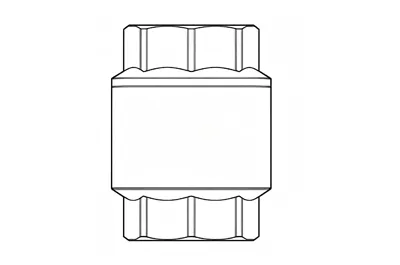
Check Valve:
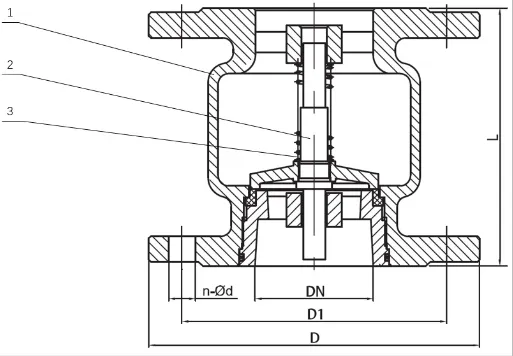
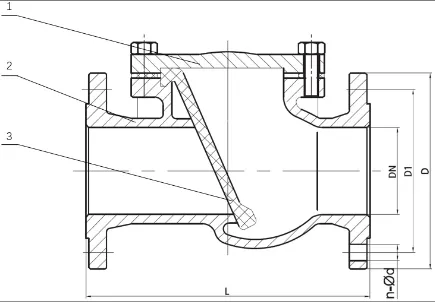
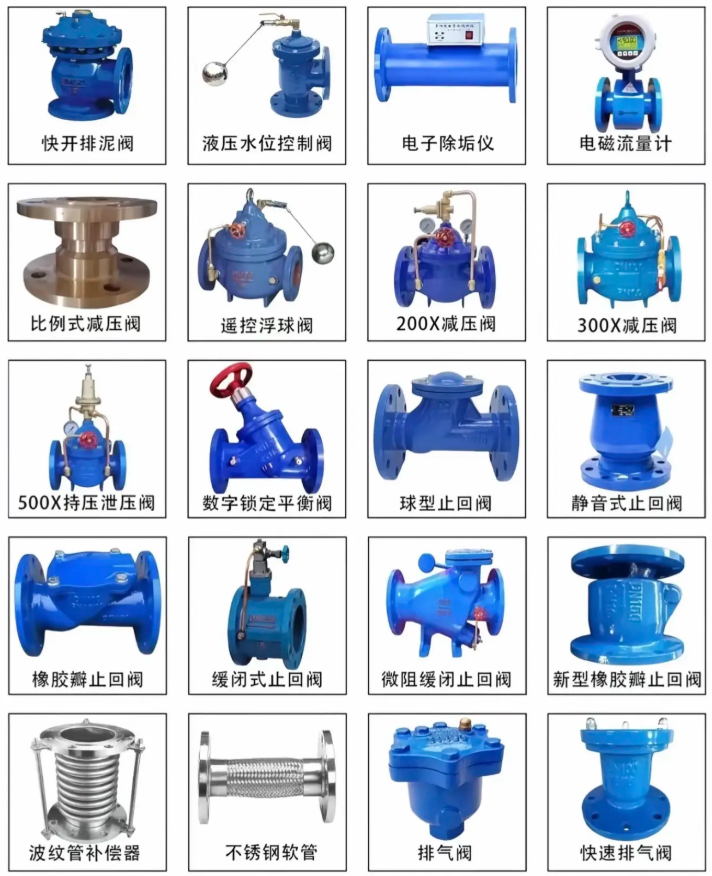
A check valve is used to prevent the reverse flow of water in a pipeline. Common types include swing check valves and lift check valves.
Swing check valves can be installed in both horizontal and vertical pipelines, but their rapid opening and closing may cause water hammer.
Lift check valves are automatically opened and closed by the pressure difference between the upstream and downstream sides. They have relatively high flow resistance and are generally suitable for small-diameter horizontal pipelines.
In petroleum pipeline systems, check valves are commonly installed at the outlet of water injection pumps to prevent high-pressure water from flowing backward and impacting the pump body, as well as at the outlets of oil and gas separators.
3. Regulating Valves
Regulating valves are used to control the pressure and flow rate of the medium. Main types include:
Throttle Valve:
A valve that controls fluid flow by changing the throttling cross-sectional area or throttling length.
Pressure Reducing Valve:
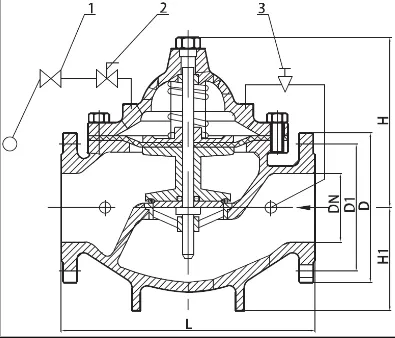
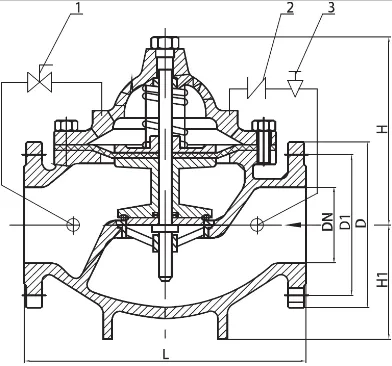
A valve that reduces the inlet pressure to a required outlet pressure through regulation and uses the energy of the medium itself to automatically maintain a stable outlet pressure.
Control Valve:
A valve specifically designed for the automatic regulation and control of parameters such as flow rate, pressure, and temperature.
4. Safety Valves
Safety Valve:
A safety valve is a protective device used to prevent damage to piping networks, equipment, or closed water tanks caused by excessive pressure.
When system pressure exceeds the preset value, the valve automatically opens to relieve pressure, preventing pipelines and equipment from rupturing or exploding due to overpressure. It serves as a critical “safety barrier” in high-pressure systems such as petroleum pipelines.
5. Special-Purpose Valves
Steam Trap:
Installed at the terminal end of steam-heating pipelines, a steam trap continuously discharges condensate from the steam pipeline while preventing steam from escaping.
Drain Valve:
Used to discharge dirt, sediment, and impurities from piping systems.
Vent Valve:
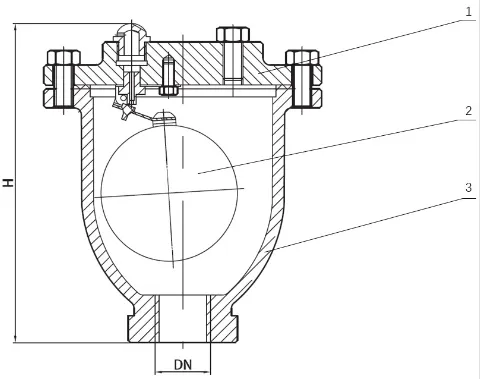
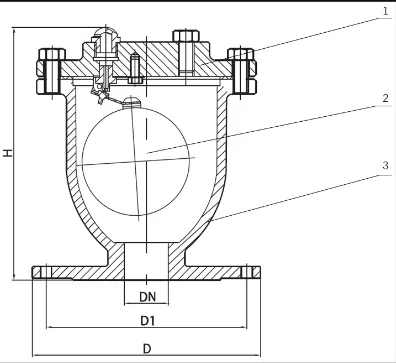
Used to release air or relieve pressure from a system.
(II) Special Valves for Fire Protection Water Systems
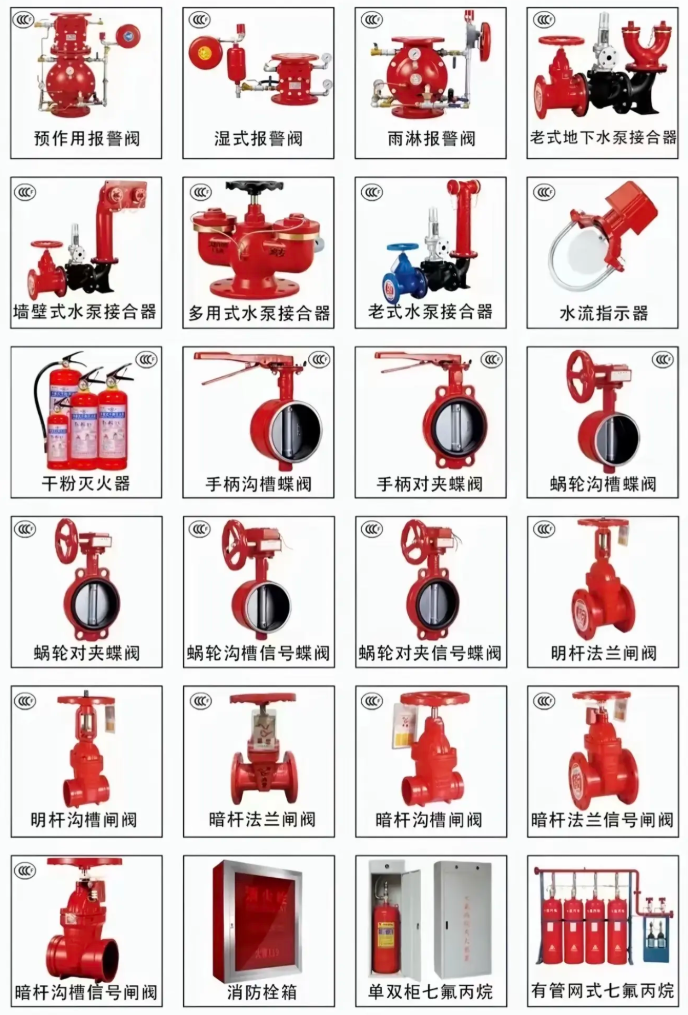
Fire protection water systems have specific safety requirements. Common special-purpose valves include:
Wet Alarm Valve:
A type of one-way valve that allows water to flow only into the sprinkler system and generates an alarm when the specified flow rate is reached.
Wet alarm valve assemblies are used in wet sprinkler systems and automatic sprinkler protection cooling systems. Their construction is relatively simple.
Dry Alarm Valve:
The system side is filled with pressurized gas. The valve body is provided with an air supply pipeline to pressurize the system side. It is suitable for extremely cold regions and other locations where water-filled piping is unsuitable.
Preaction Alarm Valve:
A preaction alarm valve assembly consists of a deluge valve and a wet alarm valve installed in series, with the deluge valve on the water supply side and the wet alarm valve on the system side.
The system consists of a preaction valve, hydraulic alarm bell, pressure switch, air compressor, air maintenance device, supervisory butterfly valve, and other components.
Deluge Alarm Valve:
Deluge alarm valves are used in deluge systems, water curtain systems, water spray systems, and preaction fire-extinguishing systems.
According to their structural design, they can be classified as lever type, piston type, diaphragm type, and butterfly type. According to their actuation method, they can be classified as manual, electric, mechanical, and thermal types, etc.-19.
A deluge valve system can simultaneously provide functions including automatic activation through an interlocking controller, remote manual activation from the fire control room, local manual activation, interlocked fire-pump starting through a pressure switch, hydraulic alarm bell activation, supervisory valve status monitoring and feedback, test piping, and pressure indication.
Supervisory Butterfly Valve / Signal Butterfly Valve:
A signal butterfly valve is a special butterfly valve used in fire protection piping systems. In addition to the shut-off function of an ordinary butterfly valve, it is equipped with a signal feedback device.
When the valve is closed, a signal is transmitted to the fire alarm system, indicating that a valve in the piping network has been closed and allowing inspection and maintenance to be carried out promptly.
Fire protection supervisory butterfly valves feature simple construction, reliable sealing, easy operation, long service life, and convenient maintenance. They are widely used in various pipelines of water supply and drainage systems, building fire protection systems, and similar applications.
II. Summary of Common Pipe Fittings
Pipe fittings are components used in piping systems for direct connection, changes in direction, branching, changes in diameter, and pipe termination.
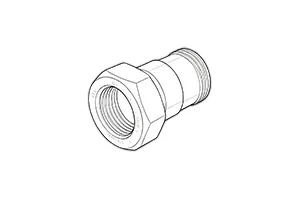
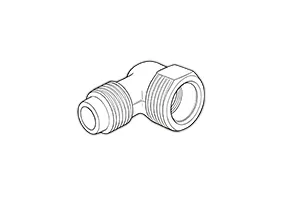
They include elbows, tees, crosses, reducers, couplings, male/female threaded adapters, unions, quick hose couplings, threaded nipples, branch outlets, plugs, pipe caps, blind flanges, and other components.
(I) Classification by Application
Connection Fittings:
Used to connect pipes to one another, including flanges, unions, couplings, clamps, compression fittings, hose clamps, etc.-11-12.
Flanges are used to connect pipes to each other and are installed at pipe ends.
Direction-Changing Fittings:
Elbows and bends.
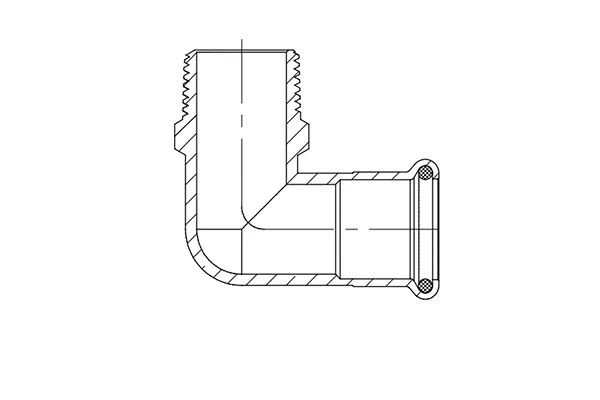
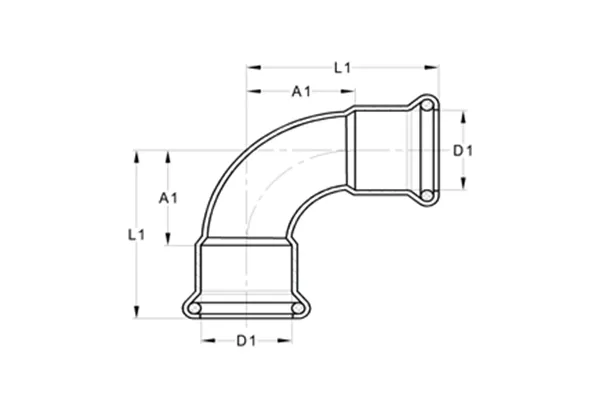
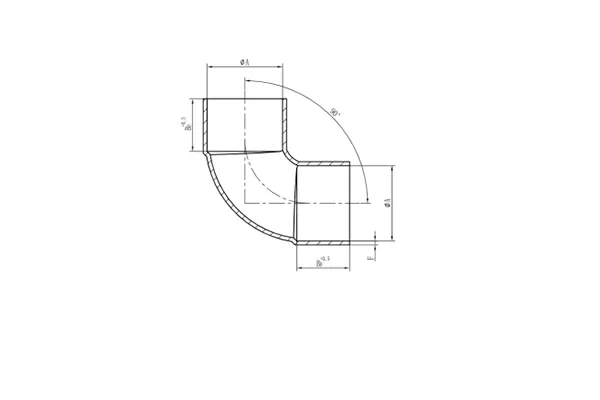
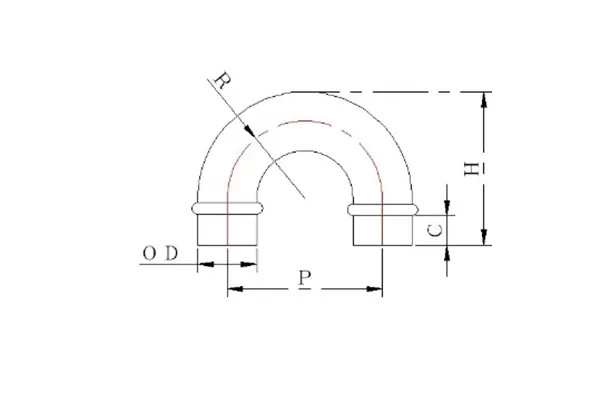
Elbows are used where a pipeline changes direction. According to the radius of curvature, they can be classified as long-radius elbows, R = 1.5D, and short-radius elbows, R = 1.0D.
Diameter-Changing Fittings:
Reducers, reducing elbows, branch outlets, and reinforcement fittings.
Reducers are used to connect two pipes of different diameters.
Branch Fittings:
Tees and crosses.
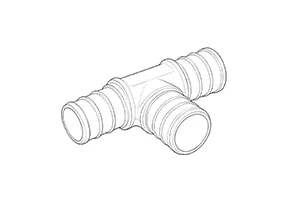
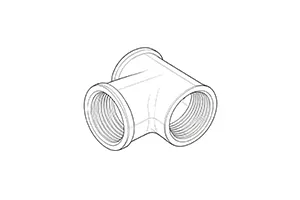
Tees are used where three pipes meet or where a pipeline branches in three directions.
Crosses are used where four pipes meet or where a pipeline branches in four directions.
Sealing Fittings and Materials:
Gaskets, PTFE thread seal tape, hemp fiber, blind flanges, pipe plugs, blind plates, end caps, and welded plugs.
Fixing and Supporting Fittings:
Retaining rings, hooks, hanger rings, supports, brackets, pipe clamps, etc.
(II) Classification by Connection Method
According to the connection method, pipe fittings can be classified into:
Welded fittings
Threaded fittings
Compression fittings
Grooved or clamp-connected fittings
Socket fittings
Adhesive-bonded fittings
Heat-fusion fittings
Rubber-ring-connected fittings
(III) Classification by Material
According to material, pipe fittings can be classified into:
Cast steel fittings
Cast iron fittings
Stainless steel fittings
Plastic fittings
PVC fittings
Rubber fittings
Graphite fittings
Forged steel fittings
PPR fittings
Alloy fittings
PE fittings
ABS fittings
(IV) Common Pipe Fittings and Their Functions
| Fitting | Main Function | Typical Application |
|---|---|---|
| Elbow / Bend | Changes the direction of a pipeline and enables turns | Direction-changing locations in all piping systems |
| Tee | Provides three-way pipeline branching or connects three pipes | Water supply and drainage branch connections, fire protection branches, industrial pipeline branches |
| Cross | Provides four-way pipeline branching or connects four pipes | Cross-shaped piping intersections and branch nodes in complex piping networks |
| Reducer | Connects pipes of different diameters and provides a transition between pipe sizes | Pipe size transitions, pump inlets and outlets, equipment connections |
| Flange | Connects pipe to pipe or pipe to valves/equipment | Piping interfaces requiring detachable connections |
| Union | Provides a connection that facilitates pipeline disassembly and maintenance | Pipeline locations requiring regular inspection or maintenance |
| Coupling / Pipe Clamp | Connects two sections of pipe or secures the pipeline | Pipe joints and pipeline support/fixing locations |
| Blind Flange / Pipe Cap / End Cap | Closes the end of a pipeline temporarily or permanently | Sealing reserved pipeline connections and system pressure-test closures |
| Branch Outlet | A reinforced connection fitting used to take a branch line from the main pipeline | High-pressure pipeline branches and petrochemical pipelines |
| Gasket | Ensures sealing at flange connections | All flange-connected interfaces |
III. Valve Selection Characteristics in Different Industries
| Application | Commonly Used Valves | Key Selection Considerations |
|---|---|---|
| Building Water Supply and Drainage | Gate valves, globe valves, butterfly valves, check valves, ball valves, pressure reducing valves | For small diameters, ≤DN50, globe valves are preferred; for larger diameters, gate valves or butterfly valves are preferred; check valves should be installed where backflow prevention is required |
| Fire Protection Water Systems | Supervisory butterfly valves, wet alarm valves, dry alarm valves, preaction alarm valves, deluge alarm valves | Valves should provide signal feedback; valve materials should be corrosion-resistant; alarm valves should comply with the GB 5135 series of standards |
| Petroleum Pipelines | Ball valves, gate valves, check valves, safety valves, plug valves | Forged steel or sour-service materials are preferred; valves should comply with GB/T 20173 or API 6D; valves used in H₂S environments should comply with NACE MR0175 requirements |
| Industrial Pipelines | Globe valves, ball valves, butterfly valves, throttle valves, needle valves | Globe valves are preferred for high-temperature and high-pressure pipelines; stainless steel valve bodies are used for corrosive media; cryogenic service requires low-temperature valves with extended bonnets |
Additional Notes
Building water supply and drainage systems generally operate at relatively low pressures, and cast iron, copper alloy, and plastic valves are commonly used. In addition to conventional valves, fire protection water systems make extensive use of various alarm valve assemblies.
Petroleum pipeline systems generally operate under high-pressure conditions. Valve materials are normally forged steel, alloy steel, or stainless steel and must comply with the relevant Chinese national standards or API standards.
For industrial piping systems, valves are selected according to the characteristics of the medium, such as high temperature, high pressure, and corrosiveness. For example, high-temperature alloy valves are commonly used in power plant piping, while fluorine-lined valves or stainless steel valves are commonly used in chemical piping systems.
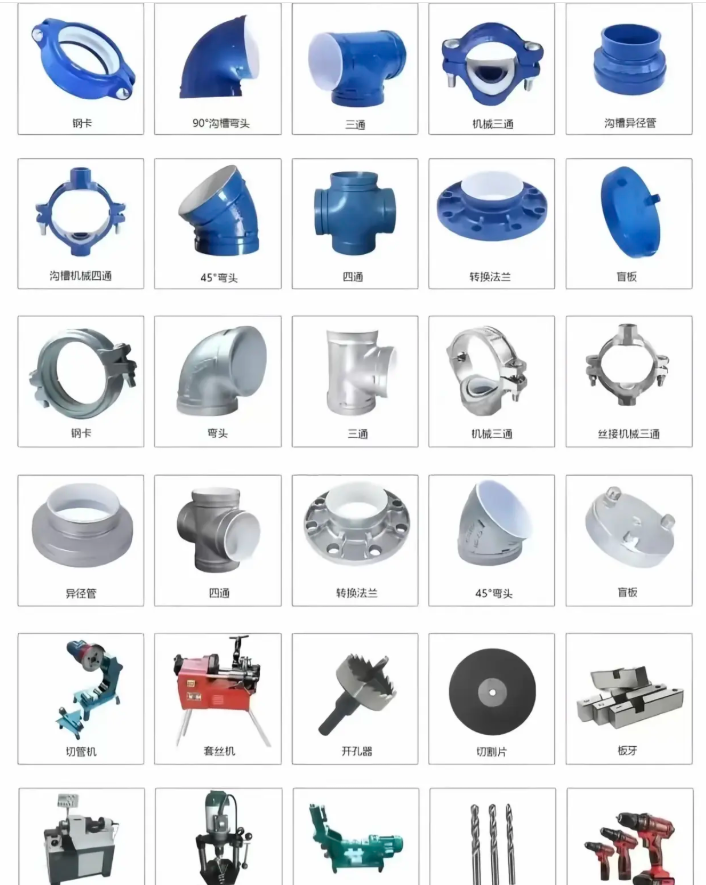
Fire Protection Grooved Fittings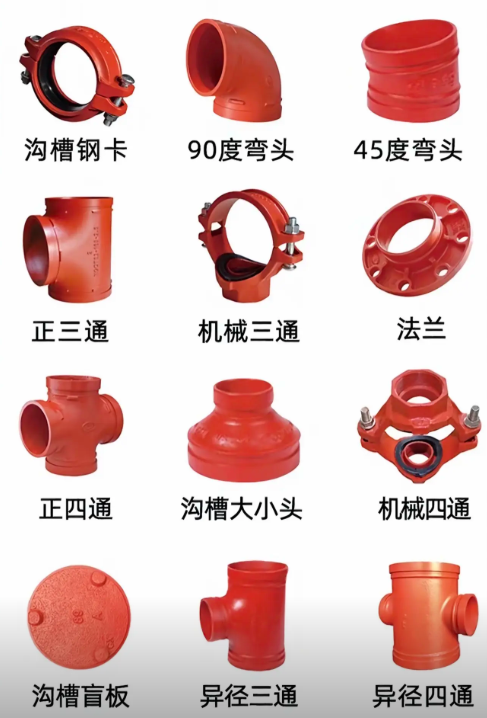
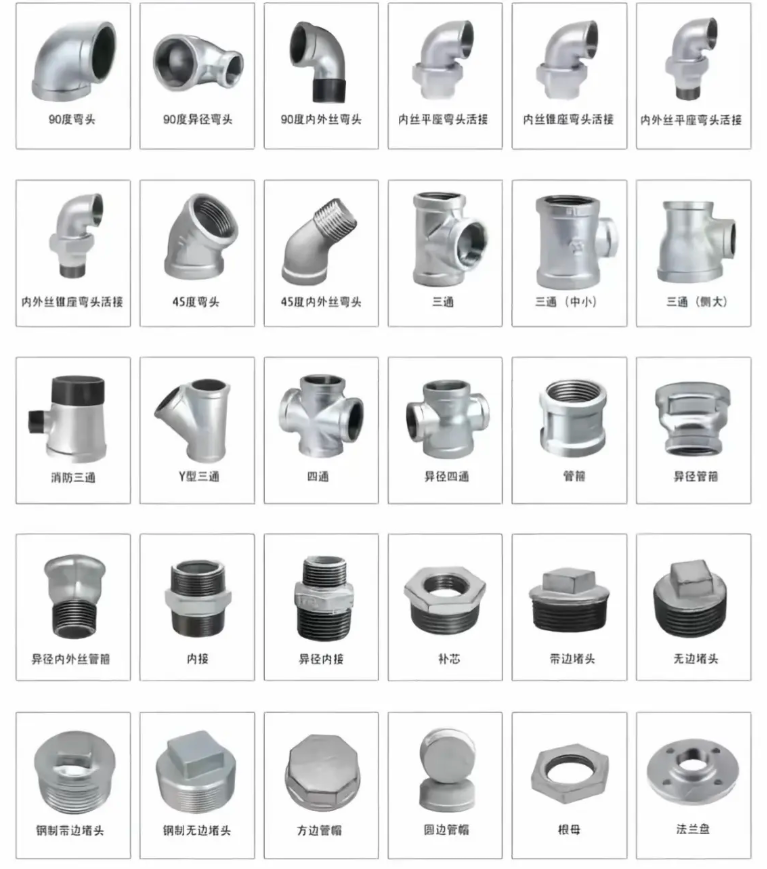
Threaded Pipe Fittings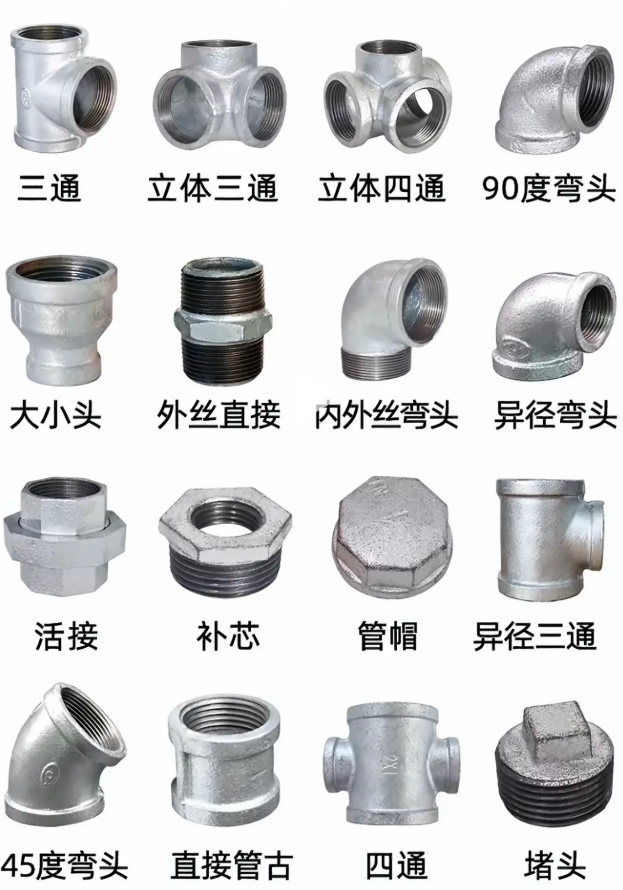
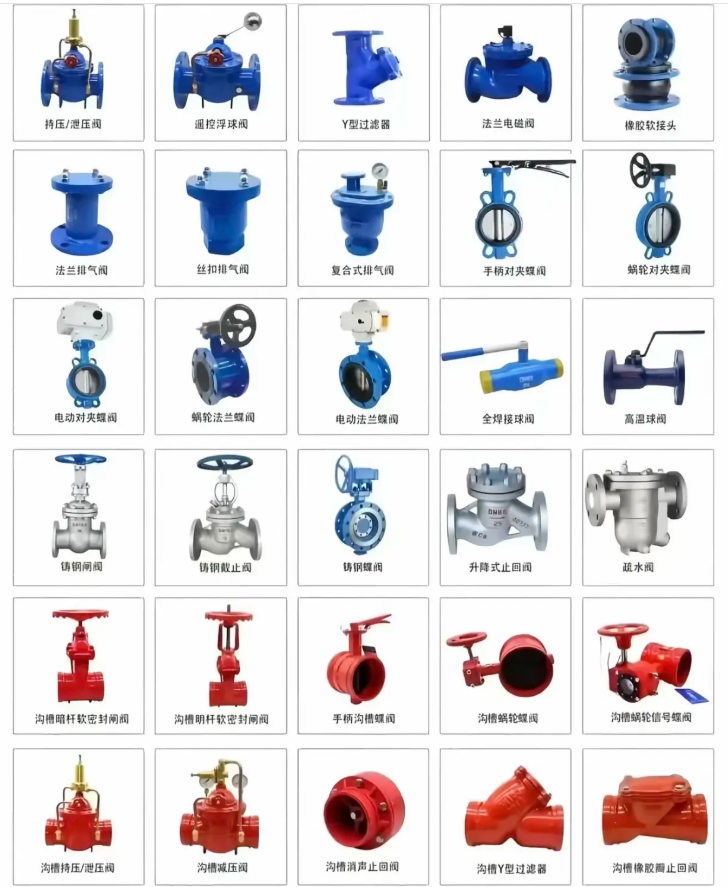
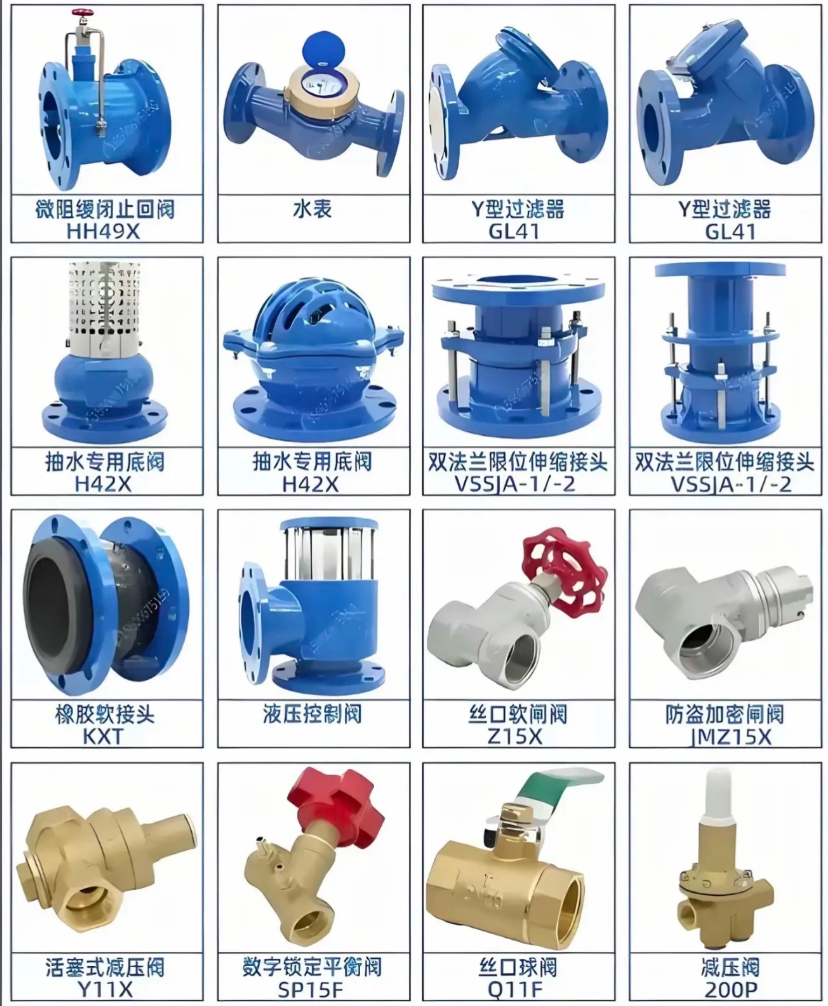
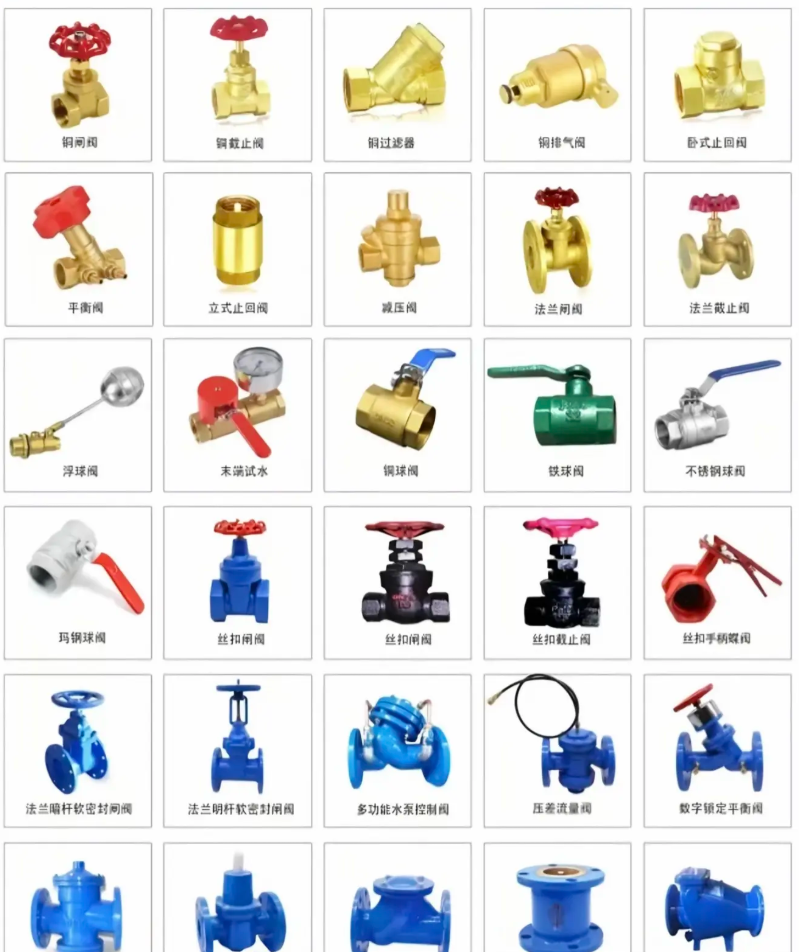
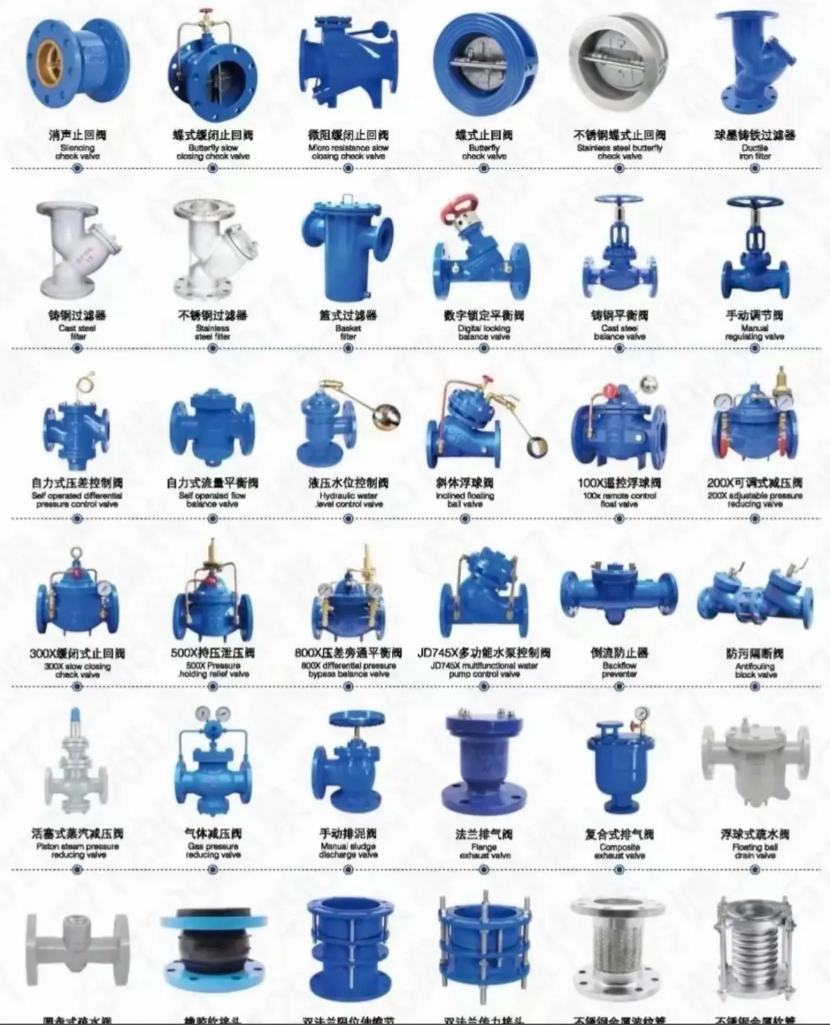
Water Supply and Drainage Valves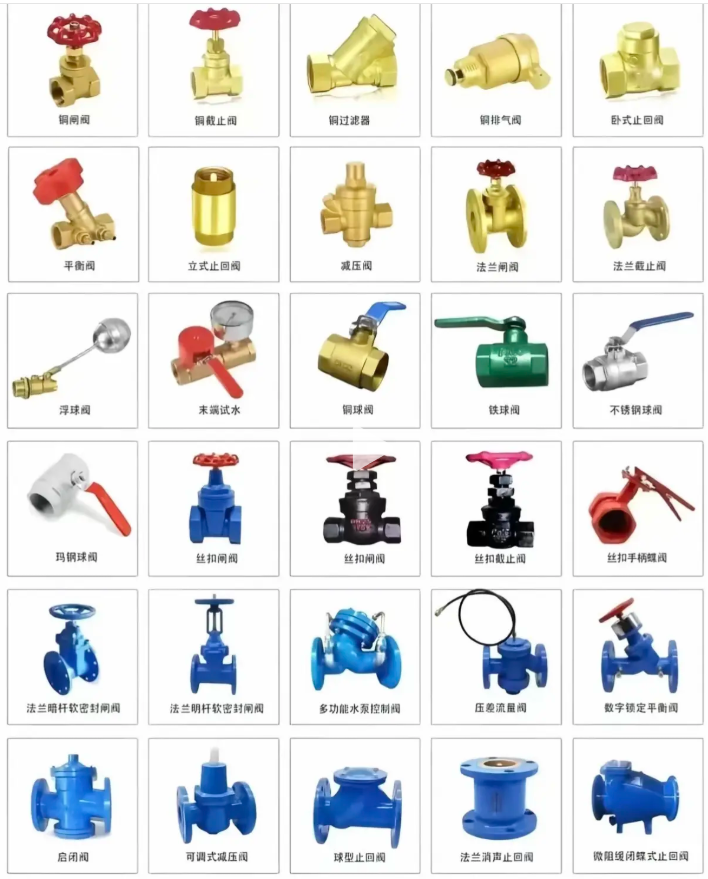
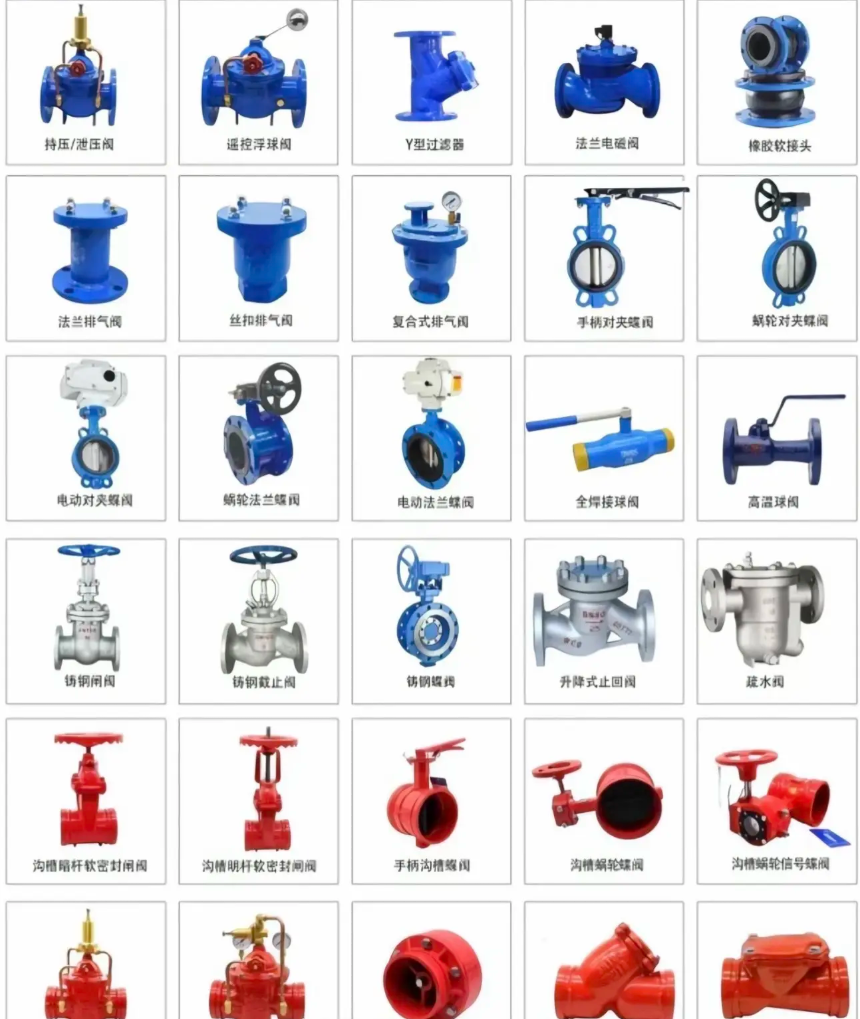
Fire Protection Valves and Accessories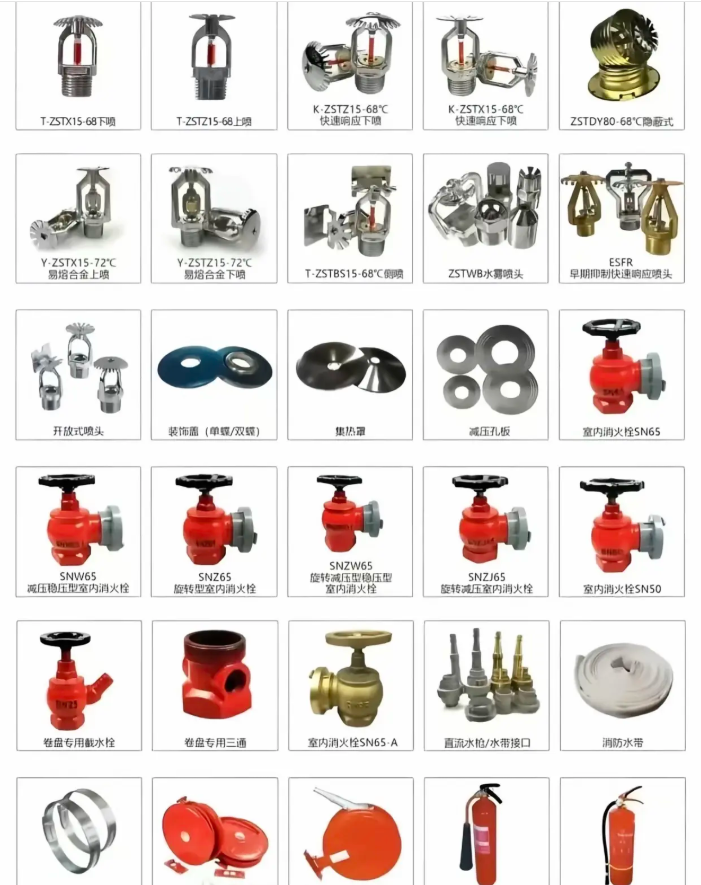
Official Account Statement:
For any content identified as originating from “Engineering Digital BIM Drawing,” please indicate the source when reproducing it. Content identified as originating from other media sources or submitted articles does not represent the position or views of this official account.
Other Brass Valves from JKL Brass Valve