Whether a pressure reducing valve needs to be installed is one of the most frequently asked questions by customers and fans when we engage in water-related services.
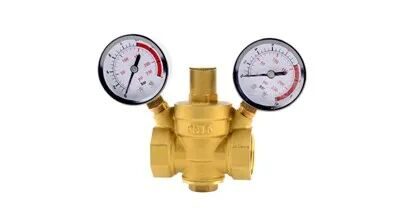
When it comes to pressure relief valves, many people have almost embarked on a misguided path. Their understanding and attitude toward these valves can generally be categorized into three groups:
① Blind Installation Type
Some people have no understanding of household water pressure and don't care about its level; since the product's promotional materials are so persuasive, they simply install a pressure reducing valve. However, many households already have suboptimal water pressure – installing such a valve can be counterproductive, exacerbating pressure losses and making water delivery even more difficult.
② Indifferent 'Running Naked' Type
Although the household water pressure was extremely high—ranging as high as an astonishing 8–10 kg per square meter for several households—the water splashed everywhere, the pipelines and water purification systems frequently experienced malfunctions, yet no one thought to install a pressure-reducing valve to mitigate the risks.
③ Cognitive Bias Type
Many customers believe that a pressure reducing valve can increase water pressure, leading them to confuse the concepts of a pressure reducing valve and a pressure boosting pump and mistakenly identify a pressure reducing valve as a pressure boosting pump.
The above three approaches—whether due to a lack of understanding of pressure reducing valves, a complete absence of relevant knowledge, or simply following trends blindly—are all detrimental to establishing a safe and comfortable household water system.
So, what is the role of a pressure reducing valve in a domestic water system? At what water pressure level should a pressure reducing valve be installed? How should a pressure reducing valve be selected and installed? This article will provide a detailed analysis of these questions.
Function of the pressure relief valve
The term definition for pressure reducing valves in the China National Association of Construction Engineering Standard CECS 109-2013 "Technical Specification for the Application of Pressure Reducing Valves in Building Water Supply Systems" is as follows:
A pressure regulation device that reduces both dynamic and static pressure in a water supply system, enables effective setting of the outlet pressure, and maintains relatively stable outlet pressure even when the flow rate varies.
In simple terms, a pressure reducing valve is a device that, through its internal mechanism, automatically reduces high supply water pressure and maintains it within a specified range, thereby protecting the downstream piping, faucets, and water-using equipment from high-pressure surges.
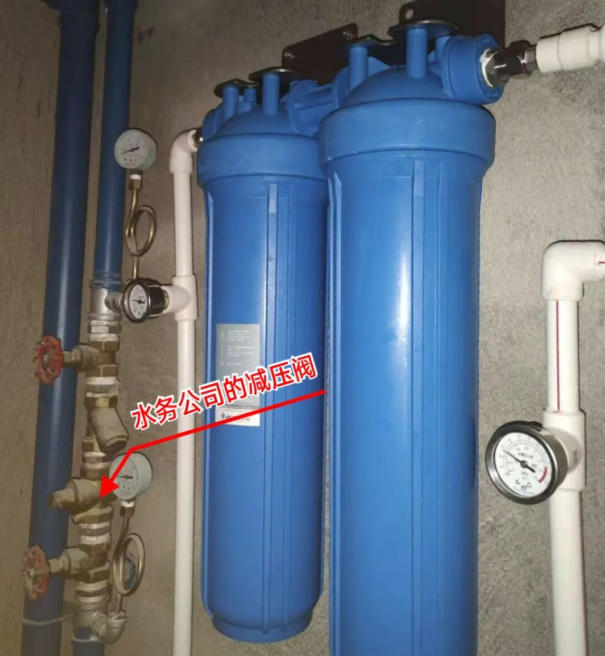
Due to its pressure reduction and pressure stabilization functions, a pressure reducing valve is often also referred to as a pressure stabilization valve, pressure reducing and stabilization valve, water pressure regulation valve, or water pressure stabilization valve, among other terms. (When discussing different types of pressure stabilization valves later on, you will notice that these common names can potentially lead to ambiguity.)
The hazards of excessive water pressure
Since the primary function of a pressure reducing valve is to reduce high water pressure and maintain it at a specific low-pressure value or range, thereby protecting the water distribution system and water-related equipment, it is essential to discuss the hazards associated with excessively high water pressure. Excessive water pressure can lead to the following problems:
1. Excessively high water supply pressure can lead to unnecessary waste of water resources.
2. Premature damage or leakage/leakage of various pipe system joints, water pipes, hardware components, or seals may lead to water-related hazards.
3. The system is prone to water hammer noise; the high water discharge impact force can easily cause splashing, resulting in an inferior user experience.
4. Shorten the service life of water-contacting household appliances, or cause equipment malfunctions or even product rupture.
(As tested, the water pressure shown in the video was 8 kg, which directly caused the blue bottle to burst, resulting in a major leak; the pressure was then reduced to 4 kg and the system is now operating steadily.)
Under what pressure conditions should a pressure reducing valve be installed?
The national standard GB50015-2019 "Code for Design of Water Supply and Drainage Systems for Buildings" contains four core basis clauses.
Article 1: Maximum water supply pressure limit
3.4.2
The maximum operating pressure that sanitary fixtures and water supply accessories shall withstand shall not exceed 0.6 MPa (6 kg).
Article Explanation:
This regulation specifies the maximum operating pressure that sanitary fixture water supply fittings may withstand – which shall not exceed 0.6 MPa – thereby defining the maximum allowable pressure value at which such fittings can operate safely within domestic water supply systems. The maximum static water pressure in any zone of the water supply system shall not exceed the maximum operating pressure that the sanitary fixture water supply fittings are capable of withstanding. Within the water supply system, the pipeline network connected to sanitary fixtures shall not experience a pressure exceeding 0.6 MPa under any circumstances; otherwise, the sanitary fixture water supply fittings may be damaged.
Article 2: Limitations on static water pressure for zoned water supply systems
3.4.3
When a domestic water supply system employs zoned water distribution, the static water pressure in each zone shall not exceed 0.45 MPa (4.5 kg); when a centralized hot water system is installed, the static water pressure in each zone shall not exceed 0.55 MPa.
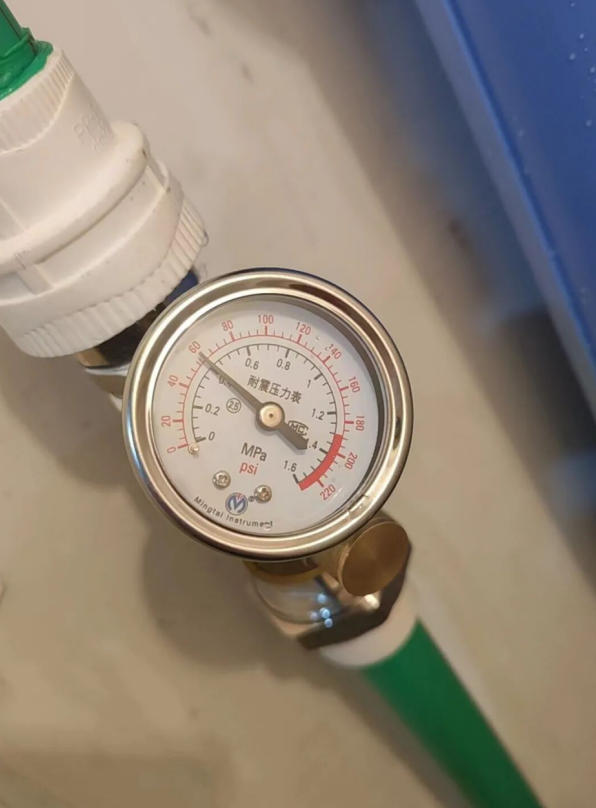
Article 3: Limitation on residential household water pressure
3.4.5
The supply water pressure at the household entrance pipe shall not exceed 0.35 MPa; for non-residential buildings, the supply water pressure at the entrance pipe shall not exceed 0.35 MPa.
Article 4: Installation Recommendations
3.5.19
When the water supply system pressure exceeds the pressure specified in Articles 3.4.2 and 3.4.3 of this Standard, a pressure reducing valve shall be installed.
Other Brass Valves from JKL Brass Valve