Choosing the right brass check valve depends mainly on installation direction, flow rate, pressure, required cracking pressure, water quality, and acceptable pressure loss.
For general horizontal water lines with steady flow, a swing check valve is often a practical choice because of its simple construction and relatively low flow resistance. For compact installations or pipelines where installation orientation is critical, a spring-assisted vertical check valve may be more suitable. Ball-type check valves are useful where a simple moving mechanism and reliable backflow prevention are priorities.
The valve should be selected for the actual system conditions rather than by pipe size alone.
What Type of Check Valve Is Best for a Water Line?
There is no single design that is best for every check valve for water line application.
| Check Valve Type | Best Suited For | Main Advantage | Key Consideration |
|---|---|---|---|
| Swing check valve | General water supply and pump lines | Low flow resistance | Installation orientation matters |
| Vertical check valve | Compact piping and vertical lines | Fast, controlled closing | Spring creates some resistance |
| Ball-type check valve | Water and selected fluid systems | Simple internal mechanism | Confirm flow and pressure requirements |
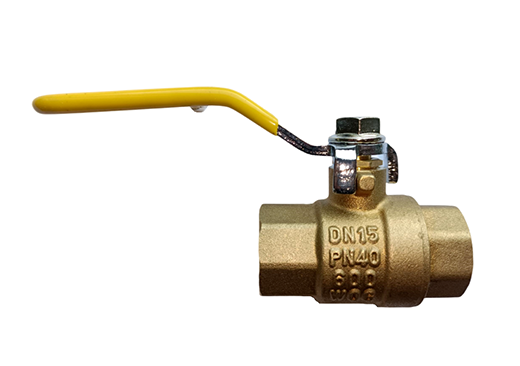
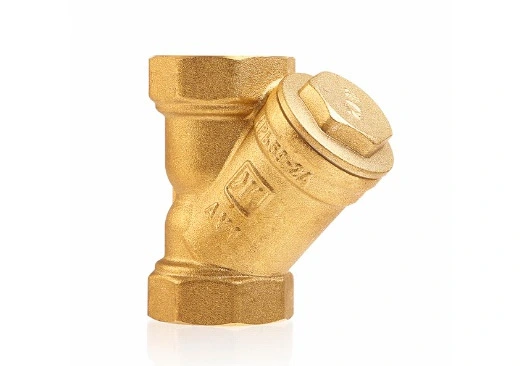
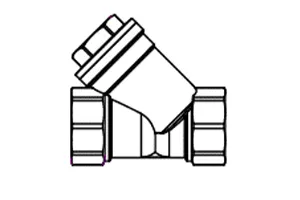
JKL's brass check valve range includes swing, horizontal, vertical, and filtered check-valve designs for water supply, plumbing, HVAC, pump discharge, and related systems.
How Does a Swing Check Valve Work?
A swing check valve uses a hinged disc that opens when forward water pressure pushes against it. When the flow stops or reverses, gravity and backpressure move the disc back onto the valve seat.
One important advantage is the relatively open flow path. This can make swing designs attractive where minimizing pressure loss is important.
Brass swing check valves are commonly used for:
Water supply pipelines
Pump discharge lines
Irrigation systems
Heating and HVAC water circuits
General plumbing systems
Installation direction must be checked carefully. Standard swing check designs are typically suitable for horizontal pipelines and, depending on the model, vertical pipelines where flow travels upward.
Can a Swing Check Valve Be Installed Vertically?
Yes, if the manufacturer approves the valve for vertical installation and the flow direction is suitable.
For conventional gravity-assisted designs, vertical upward flow may allow the disc to open correctly and return to its seat when flow stops. Vertical downward flow can prevent some swing designs from closing reliably.
Always follow the flow arrow and installation instructions supplied with the valve.
What Is a Vertical Check Valve?
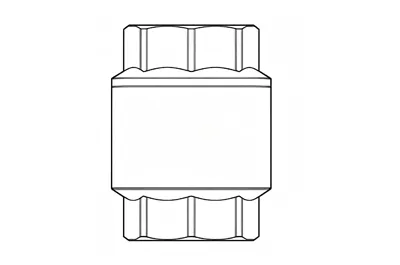
A vertical check valve is typically designed with an internal disc, piston, or similar closing element assisted by a spring. Forward pressure compresses the spring and opens the flow passage. When forward pressure decreases, the spring pushes the closing element back toward its seat.
Compared with a traditional swing design, a spring-assisted check valve can close more quickly and is less dependent on gravity.
This makes it useful where:
Installation space is limited
Vertical piping is required
Faster closing is preferred
Flow direction or valve orientation makes a gravity-operated valve unsuitable
However, the spring introduces resistance. Buyers should therefore check the valve's cracking pressure, particularly in systems with low available pressure.
What Is a Ball-Type Check Valve?
A ball-type check valve uses a freely moving ball as the closing element.
When inlet pressure is sufficient, water moves the ball away from the seat and flows through the valve. When flow reverses, the pressure differential pushes the ball back against its seat, preventing backflow. This simple mechanism means there are relatively few moving components.
Ball check valves can be useful in applications where simplicity and resistance to certain contaminants are important. Larger industrial versions are also commonly found in wastewater and fluids containing suspended solids.
For clean domestic water systems, however, a swing or spring-assisted brass check valve is often more common.
Swing Check Valve vs Vertical Check Valve: Which Should You Choose?
The main difference is the closing mechanism.
A swing valve generally depends more heavily on the disc's movement, gravity, and reverse pressure. A spring-assisted vertical valve actively pushes the closing component toward its seat.
Choose a swing check valve when:
The line is horizontal or approved for upward vertical flow
Low flow resistance is important
Water flow is relatively stable
A simple mechanical design is preferred
Choose a vertical check valve when:
Installation space is restricted
The piping arrangement requires a compact design
Faster closing is desirable
Gravity alone should not control valve closure
For pump systems with rapid changes in velocity, closing behavior deserves particular attention. An incorrectly selected check valve can contribute to valve slam and water hammer.
What Size Check Valve Do I Need?
In most standard plumbing installations, the nominal check valve size matches the connected pipe size.
However, size alone does not determine performance. Before ordering, check:
Flow rate: An oversized valve operating at very low velocity may not open or close as intended.
Pressure rating: The valve must withstand maximum system pressure, including transient conditions.
Cracking pressure: Particularly important for spring-loaded valves and low-pressure systems.
Connection: Confirm BSP, BSPT, NPT, or other thread requirements.
Temperature: Confirm that the body, seat, seals, and spring are compatible with actual operating temperatures.
Water quality: Potable water, treated water, and other media may require specific brass grades or approvals.
Where Should a Check Valve Be Installed in a Water System?
A brass check valve is normally installed where reverse flow could damage equipment, affect system operation, or create unwanted cross-flow.
Typical locations include:
Pump discharge piping
Water heater inlet lines
Boiler and heating systems
Water supply mains
Irrigation systems
Equipment inlet or outlet piping
JKL identifies pump discharge lines, water-heater inlets, boiler feed systems, and water-supply mains among common applications for its brass check valves.
Regardless of location, the arrow marked on the valve body must point in the intended direction of normal flow.
What Should You Look for in a Check Valve Supplier?
For distributors, contractors, and OEM buyers, selecting a reliable check valve supplier requires more than comparing quotations.
Evaluate the following:
Brass Material
Confirm the specified brass grade and whether the material is appropriate for the destination market and water application.
Sealing Design
Check whether the valve uses brass-to-brass, rubber, or another sealing arrangement. Different seat materials affect leakage performance, temperature capability, and application suitability.
Thread Accuracy
Poor thread machining can create installation difficulties and leakage problems even when the internal valve mechanism performs correctly.
Pressure and Leakage Testing
Ask how finished valves are tested for body strength and backflow sealing.
Product Range and OEM Capability
A supplier offering swing, vertical, horizontal check valve, and application-specific check valves can help buyers match products to different market requirements.
JKL manufactures brass valves using hot-forging and CNC machining processes and states that its quality-control procedures include pressure testing, leakage inspection, thread-accuracy control, and surface inspection. OEM support includes customized markings, packaging, thread standards, and product specifications.
Conclusion
Selecting the right brass check valve starts with understanding how the valve will operate inside the actual piping system.
A swing check valve is a strong option for many conventional water lines where low resistance and steady flow are priorities. A spring-assisted vertical check valve is better suited to compact installations and applications requiring more controlled closure. Ball-type check valves offer a simple closing mechanism and can be advantageous in selected water and fluid-handling applications.
Before requesting a quotation, provide your medium, pipe size, working pressure, temperature, installation direction, thread standard, required flow rate, and certification requirements. These details allow the check valve supplier to recommend a more reliable and cost-effective solution.
FAQs
Can a brass check valve be used for drinking water?
Yes, provided the brass material, seals, and valve certification comply with the potable-water requirements of the destination market.
Does a check valve reduce water pressure?
Every check valve creates some pressure loss. The amount depends on valve design, size, flow velocity, and cracking pressure.
Which way should a check valve face?
The arrow on the valve body must point in the normal direction of water flow.
Can a swing check valve be installed vertically?
Some models can, usually with upward flow. Always confirm the permitted installation position with the manufacturer.
Why does a check valve make a banging noise?
Rapid valve closure or reverse flow can cause valve slam and contribute to water hammer. Correct sizing and valve-type selection can reduce the risk.
Other Brass Valves from JKL Brass Valve