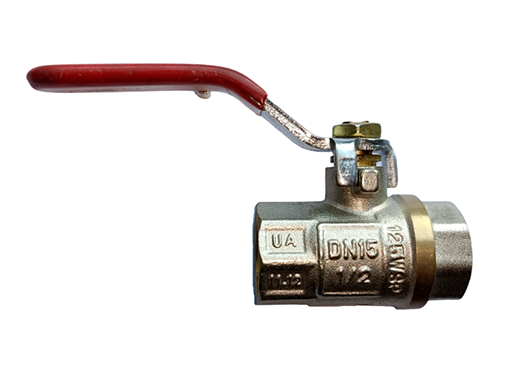
Choosing the right brass ball valve for a water system starts with six factors: water quality, working pressure, temperature, valve size, port design, and connection standard. For potable-water projects, brass composition and drinking-water certifications are equally important.
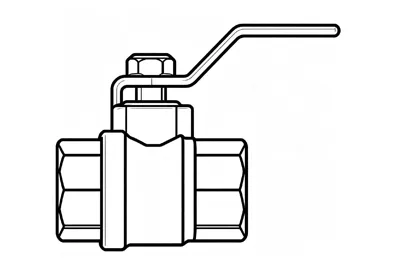
For most residential, commercial, HVAC, irrigation, and water-distribution applications, high-quality ball valves for water provide reliable quarter-turn shutoff, low flow resistance, and long service life. Full-port designs are particularly useful where maintaining flow capacity is important.
Are Brass Ball Valves Good for Water?
Yes. Brass ball valves are widely used in water systems because brass combines corrosion resistance, mechanical strength, machinability, and relatively compact valve construction.
Typical applications include:
Residential hot and cold water supply
Commercial plumbing
Water meter installations
HVAC water systems
Irrigation
Boiler and heating-water circuits
Equipment and appliance connections
However, not every brass ball valve is automatically suitable for every water application. Potable water, high-temperature water, chemically treated water, and industrial process water may require different brass grades, seals, and certifications.
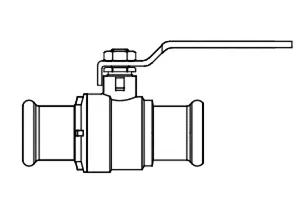
JKL, for example, offers brass ball valves specifically designed for water service. Its 5276 model uses CW617N brass, PTFE sealing, PN16 pressure rating, and ISO228/BSP/NPT thread options, with WRAS certification listed for the product.
What Should You Check When Choosing Ball Valves for Water?
1. Confirm the Working Pressure
The valve pressure rating must be higher than the maximum expected system pressure.
Do not select a valve only according to normal operating pressure. Consider pump start-up, pressure fluctuations, and possible water hammer.
For example, several JKL water-service brass ball valves are rated to 1.6 MPa/PN16, making them suitable for many conventional plumbing and water-supply applications when other operating conditions are also within specification.
2. Check Water Temperature
Seat and seal materials can determine the usable temperature range just as much as the brass body.
PTFE is commonly used for ball-valve seats because of its low friction and chemical resistance. Elastomers such as NBR may be used for additional sealing components.
Always compare the project's actual minimum and maximum water temperatures against the manufacturer's datasheet rather than assuming all brass valves have the same temperature rating.
3. Choose Full Port or Reduced Port
For most main water-supply lines, a full-port ball valve is usually preferable.
When fully open, its bore is close to the internal diameter of the connecting pipe, helping minimize unnecessary flow restriction. Commercial full-port brass valves are commonly specified for potable-water and plumbing applications for this reason.
Reduced-port valves may be acceptable when compact size and lower cost are more important than maximum flow capacity.
What Size Ball Valve Do I Need for a Water Line?
In most installations, match the valve's nominal size to the pipeline size unless hydraulic calculations or system design require otherwise.
For example:
| Pipe Size | Typical Valve Selection |
|---|---|
| 1/2" pipe | DN15 / 1/2" ball valve |
| 3/4" pipe | DN20 / 3/4" ball valve |
| 1" pipe | DN25 / 1" ball valve |
| 1-1/2" pipe | DN40 / 1-1/2" ball valve |
| 2" pipe | DN50 / 2" ball valve |
Also verify the actual thread standard. BSP, BSPP, BSPT, and NPT are not interchangeable specifications, even when the nominal valve size appears identical.
For international sourcing, the purchase order should clearly state both valve size and connection standard.
Can Brass Ball Valves Be Used for Drinking Water?
Yes, provided the valve materials and certifications meet the regulations of the destination market.
For potable-water applications, buyers should pay particular attention to lead content and drinking-water approval requirements. Certified lead-free brass valves are available with standards such as NSF/ANSI 61 and NSF/ANSI 372 for relevant markets.
In other markets, WRAS or additional local approvals may be required.
For distributors and OEM customers, certification should therefore be confirmed before placing bulk orders, not after production.
How Do You Choose a Ball Valve for a Water Meter?
A water-meter installation often requires more than a standard shutoff valve.
When specifying a ball valve water meter connection, check:
Meter inlet and outlet size
Male or female thread requirements
Union or swivel-nut connection
Pressure rating
Brass grade
Lockable or anti-tamper requirements
Installation direction and available space
Some municipal and utility projects use lockable or anti-theft brass ball valves before or after the water meter to restrict unauthorized operation. These designs may combine threaded or union connections with special locking handles.
For large projects, send the water-meter connection drawing to the valve supplier before confirming production. This reduces the risk of thread, union, or dimensional incompatibility.
Full-Port vs Standard-Port Ball Valve: Which Is Better for Water?
A full-port valve is generally the better option when pressure loss and flow capacity matter.
This is especially relevant for:
Main water lines
Pump systems
Commercial buildings
HVAC circulation systems
Irrigation mains
Standard- or reduced-port valves can still work well for smaller branch lines or equipment isolation where maximum flow is not critical.
Full-port construction is also a feature offered on multiple JKL brass ball valves intended for water applications.
What Should You Look for in a Brass Ball Valve Manufacturer?
Valve price should not be the only purchasing criterion.
When comparing ball valve manufacturers in China, professional importers and distributors should evaluate:
Brass material: Confirm grades such as CW617N or another specified alloy rather than accepting an unspecified "brass body."
Pressure testing: Ask how every production batch is tested for shell strength and seat leakage.
Cycle testing: For frequently operated valves, opening and closing durability is important. JKL lists a 10,000-cycle opening/closing test for its 5276 brass ball valve.
Thread accuracy: Poorly machined threads create installation problems and increase leakage risk.
Certifications: Confirm that certificates apply to the exact model and material being purchased.
OEM capability: For distributors, custom handle colors, logos, packaging, thread standards, materials, and market-specific specifications may be essential.
Conclusion
The best brass ball valve for a water system is not simply the cheapest valve with the correct pipe size.
Start by confirming pressure, temperature, water type, valve size, port design, thread standard, brass grade, and required certification. For potable-water systems, material compliance should be treated as a key specification rather than an optional feature.
For main water lines where low pressure loss is important, a full-port brass ball valve is usually the preferred choice. For water-meter projects, connection dimensions, union configuration, and locking requirements should also be verified.
JKL manufactures a broad range of brass ball valves for water-supply applications, including full-port, threaded, OEM, and market-specific configurations. Providing your pipe size, pressure, temperature, thread standard, application, and required certification when requesting a quotation will help the manufacturer recommend the correct model faster.
FAQs
How long do brass ball valves last in water systems?
Service life depends on water quality, operating pressure, temperature, installation quality, and operating frequency. Correctly specified valves can provide reliable long-term service.
Is a full-port ball valve better for water?
Usually yes when maintaining flow rate and minimizing pressure loss are important.
Can I use the same brass ball valve for hot and cold water?
Only if both temperatures fall within the manufacturer's specified operating range.
Is CW617N brass suitable for water valves?
CW617N is widely used for forged brass plumbing components, but potable-water compliance should still be confirmed according to the destination market's regulations and required certifications.
Should a ball valve be installed before or after a water meter?
Depending on the system design and local utility requirements, shutoff valves may be installed before, after, or on both sides of the meter.
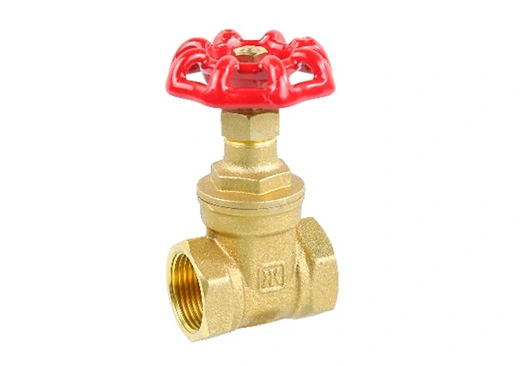
Other Brass Valves from JKL Brass Valve