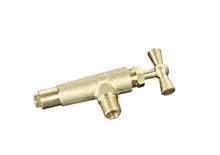
Core Mainline: The US-Iran signing is imminent in Geneva on the 19th, TTF has dropped 18% in four days to around 41 euros, the lowest since April; Citi has significantly lowered its gas price forecast...
13 Aug,2026

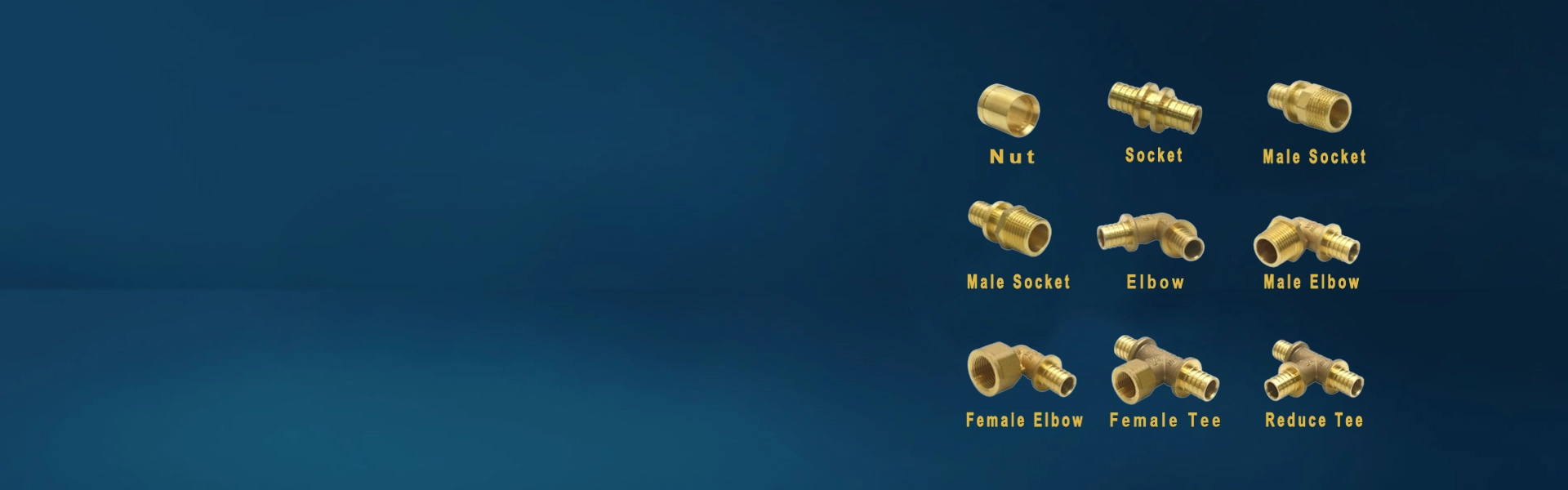
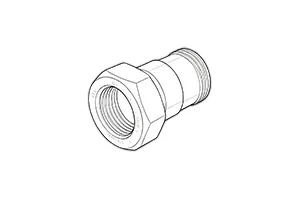
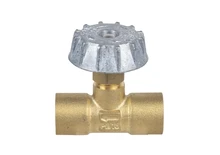
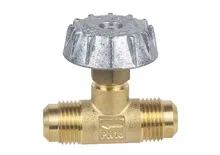
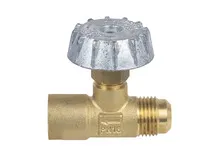
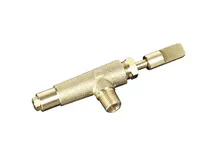
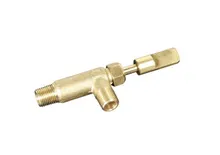
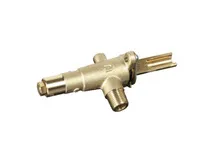
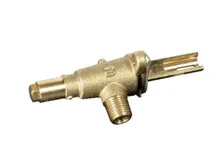
JieKeLong's needle valves are designed for precision flow metering and fine throttling control in high-pressure fluid systems. Key applications include instrumentation gauge isolation, hydraulic system calibration, refrigerant charging lines, chemical dosing systems, and fuel flow regulation in aerospace/automotive testing. They play an essential role in ensuring precise flow stability under critical pressure conditions and micro-adjustment capability across laboratory and industrial process systems.
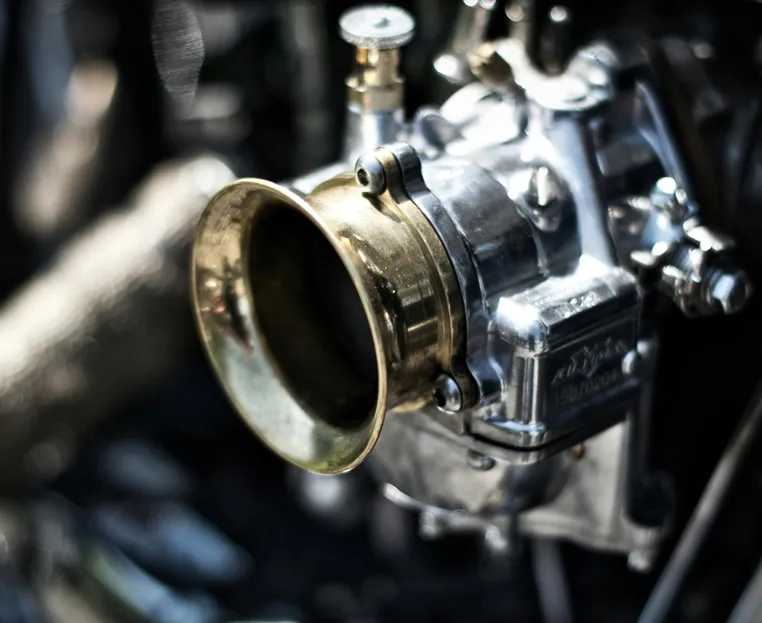

Needle valves enable precise flow metering via micrometer-like adjustment of a tapered needle and seat interface.
They provide bubble-tight shut-off capability at high pressures (>6000 psi), preventing leakage in critical instrumentation systems.
Minimal flow coefficient (Cv < 0.1) when throttled due to fine-thread stem and conical orifice design.
Hardened stainless-steel needles and CNC-machined seats ensure erosion resistance and long-term sealing integrity in high-pressure steam, gas, or chemical systems.

Prepare pipe/tube ends with smooth, debris-free surfaces. Apply high-pressure thread sealant to male tapered threads (BSPT/NPT). For instrumentation lines, verify needle tip and seat integrity using magnified inspection to prevent micro-leaks.

Install valve with stem axis accessible for adjustment. Hand-tighten threaded joints, then wrench-tighten 1.25-1.75 turns. For high-pressure systems (>3000 psi), use backup wrenches on valve body hex flats – never apply torque to the stem or handwheel.

Maintain minimum 10x diameter laminar flow run upstream. Over-tightening may deform the tapered needle or crack the seat, causing throttling inaccuracy. Under-tightening risks high-pressure blowouts. Conduct bubble-test at 1.25x working pressure post-installation to verify micro-seal integrity.
Rotating the handwheel clockwise drives the fine-threaded stem vertically, advancing a tapered needle gradually into a conical seat to restrict or seal the flow path.
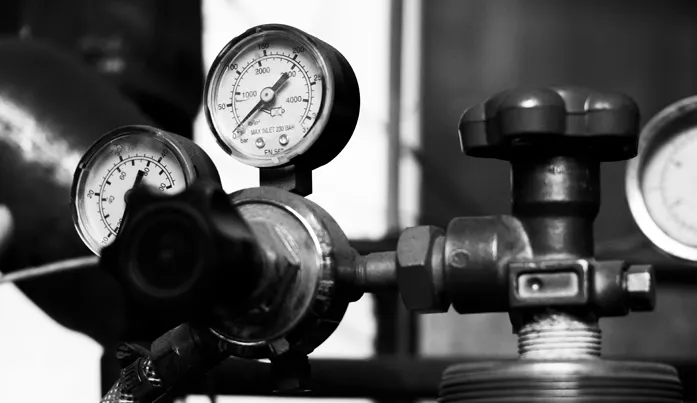
When fully retracted, the needle permits unobstructed flow through the orifice; complete closure achieves metal-to-metal sealing by wedging the needle tip against the seat.
Sealing effectiveness relies on precise conical surface contact, with system pressure enhancing shut-off integrity by forcing the needle tighter into the seat.
Professional Valve Design Team for Your Personalized Needs
Email:
jkl@jtgroup.com.cnPhone:
+86 19975329386Address:
No.1 Chengxi Road, Cicheng, Ningbo, ChinaMAIL US YOUR MESSAGE
Natural Gas Market Information Morning Report (June 17, 2026)
Struggling to Read Water Supply & Drainage Drawings? One Simple Trick Will Make It All Click!
Natural Gas Market Information Morning Report (June 17, 2026)
Struggling to Read Water Supply & Drainage Drawings? One Simple Trick Will Make It All Click!
Common Pipe Fittings and Valve Symbols
Common Pipe Fittings and Valve Symbols